
About This Book
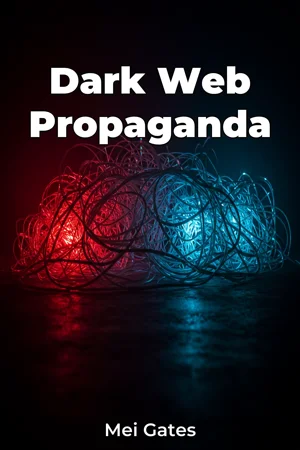
How does extremist ideology thrive in the shadows of the internet, and what real-world impact does this digital darkness have on society? "Dark Web Propaganda" delves into the multifaceted world of online radicalization, focusing on the dark web as a key incubator and disseminator of propaganda and extremist content. This book meticulously examines how the dark web, with its inherent anonymity and lack of regulation, facilitates the spread of hate speech, terrorist recruitment, and illegal media, ultimately impacting the broader sociopolitical landscape. This work is essential because it addresses a growing threat: the weaponization of the internet by extremist groups. Failure to understand the mechanisms of dark web propaganda risks underestimating the potential for real-world violence and societal division fueled by online radicalization. The book provides a crucial understanding of the technical infrastructure, communication strategies, and psychological tactics employed by these actors. The book begins by providing a historical context for the emergence of the dark web and its evolution into a haven for illicit activities, differentiating it from the deep web and the surface web. It examines the technical architecture underpinning the dark web, including Tor and I2P, and provides an overview of the main actors involved, from lone-wolf extremists to organized terrorist groups. The central argument of "Dark Web Propaganda" is that the dark web is not merely a repository for illegal content; it is an active breeding ground for extremist ideologies that increasingly influence and incite real-world actions. Analyzing this connection is vital for developing effective counter-strategies and policies. The book is structured in three main parts. Part 1 introduces the technological and operational aspects of the dark web, detailing how anonymity is maintained and how content is distributed. Part 2 investigates the types of extremist content prevalent on the dark web, including white supremacist propaganda, neo-Nazi materials, ISIS recruitment videos, and conspiracy theories. It analyzes the rhetoric, imagery, and psychological tactics used to spread these ideologies. Part 3 examines the real-world consequences of dark web propaganda, including case studies of terrorist attacks and hate crimes linked to online radicalization. This section also explores the challenges of monitoring and countering extremist content on the dark web, addressing the ethical and legal dilemmas involved in such efforts. The research presented in this book draws upon a variety of sources, including content analysis of dark web sites and forums, interviews with law enforcement officials and cybersecurity experts, and academic studies on online radicalization. The book also utilizes unique datasets collected through web scraping and data mining techniques, providing empirical evidence to support its arguments. "Dark Web Propaganda" connects to several other fields, including political science, sociology, and cybersecurity. Political science provides a framework for understanding the role of propaganda in shaping political attitudes and behaviors. Sociology offers insights into the social dynamics of online communities and the processes of radicalization. Cybersecurity provides the technical expertise needed to understand the infrastructure of the dark web and develop strategies for monitoring and countering extremist content. This book takes a unique approach by combining technical analysis with social and political analysis, providing a holistic understanding of the dark web propaganda ecosystem. It also offers practical recommendations for policymakers, law enforcement agencies, and social media companies on how to address the challenges posed by online radicalization. The tone is academic and informative, presenting complex information in a clear and accessible manner. The writing style is objective and evidence-based, avoiding sensationalism and focusing on rigorous analysis. The target audience includes academics, policymakers, law enforcement officials, cybersecurity professionals, and anyone interested in understanding the dark side of the internet. This book is valuable for anyone seeking to gain a deeper understanding of the challenges posed by online radicalization and the potential solutions for addressing this growing threat. As a work in the genres of Information Technology and Politics, this book adheres to the standards of rigorous research and factual accuracy. It acknowledges the complexities of the issues involved and avoids making overly simplistic claims. The scope of the book is limited to the study of propaganda and extremist ideologies within the context of the dark web. It does not provide a comprehensive overview of all types of illegal activities on the dark web, focusing specifically on the dissemination of extremist content. The information in this book can be applied practically by policymakers to develop more effective counter-terrorism strategies, by law enforcement agencies to improve their ability to identify and disrupt online radicalization networks, and by social media companies to develop more effective content moderation policies. The book addresses the ongoing debate over the role of anonymity in facilitating extremist activity online. It explores the tension between protecting freedom of speech and preventing the spread of hate speech and incitement to violence. It also examines the ethical and legal challenges of monitoring and countering extremist content on the dark web, acknowledging the potential for unintended consequences and the need for careful consideration of civil liberties.
How does extremist ideology thrive in the shadows of the internet, and what real-world impact does this digital darkness have on society? "Dark Web Propaganda" delves into the multifaceted world of online radicalization, focusing on the dark web as a key incubator and disseminator of propaganda and extremist content. This book meticulously examines how the dark web, with its inherent anonymity and lack of regulation, facilitates the spread of hate speech, terrorist recruitment, and illegal media, ultimately impacting the broader sociopolitical landscape. This work is essential because it addresses a growing threat: the weaponization of the internet by extremist groups. Failure to understand the mechanisms of dark web propaganda risks underestimating the potential for real-world violence and societal division fueled by online radicalization. The book provides a crucial understanding of the technical infrastructure, communication strategies, and psychological tactics employed by these actors. The book begins by providing a historical context for the emergence of the dark web and its evolution into a haven for illicit activities, differentiating it from the deep web and the surface web. It examines the technical architecture underpinning the dark web, including Tor and I2P, and provides an overview of the main actors involved, from lone-wolf extremists to organized terrorist groups. The central argument of "Dark Web Propaganda" is that the dark web is not merely a repository for illegal content; it is an active breeding ground for extremist ideologies that increasingly influence and incite real-world actions. Analyzing this connection is vital for developing effective counter-strategies and policies. The book is structured in three main parts. Part 1 introduces the technological and operational aspects of the dark web, detailing how anonymity is maintained and how content is distributed. Part 2 investigates the types of extremist content prevalent on the dark web, including white supremacist propaganda, neo-Nazi materials, ISIS recruitment videos, and conspiracy theories. It analyzes the rhetoric, imagery, and psychological tactics used to spread these ideologies. Part 3 examines the real-world consequences of dark web propaganda, including case studies of terrorist attacks and hate crimes linked to online radicalization. This section also explores the challenges of monitoring and countering extremist content on the dark web, addressing the ethical and legal dilemmas involved in such efforts. The research presented in this book draws upon a variety of sources, including content analysis of dark web sites and forums, interviews with law enforcement officials and cybersecurity experts, and academic studies on online radicalization. The book also utilizes unique datasets collected through web scraping and data mining techniques, providing empirical evidence to support its arguments. "Dark Web Propaganda" connects to several other fields, including political science, sociology, and cybersecurity. Political science provides a framework for understanding the role of propaganda in shaping political attitudes and behaviors. Sociology offers insights into the social dynamics of online communities and the processes of radicalization. Cybersecurity provides the technical expertise needed to understand the infrastructure of the dark web and develop strategies for monitoring and countering extremist content. This book takes a unique approach by combining technical analysis with social and political analysis, providing a holistic understanding of the dark web propaganda ecosystem. It also offers practical recommendations for policymakers, law enforcement agencies, and social media companies on how to address the challenges posed by online radicalization. The tone is academic and informative, presenting complex information in a clear and accessible manner. The writing style is objective and evidence-based, avoiding sensationalism and focusing on rigorous analysis. The target audience includes academics, policymakers, law enforcement officials, cybersecurity professionals, and anyone interested in understanding the dark side of the internet. This book is valuable for anyone seeking to gain a deeper understanding of the challenges posed by online radicalization and the potential solutions for addressing this growing threat. As a work in the genres of Information Technology and Politics, this book adheres to the standards of rigorous research and factual accuracy. It acknowledges the complexities of the issues involved and avoids making overly simplistic claims. The scope of the book is limited to the study of propaganda and extremist ideologies within the context of the dark web. It does not provide a comprehensive overview of all types of illegal activities on the dark web, focusing specifically on the dissemination of extremist content. The information in this book can be applied practically by policymakers to develop more effective counter-terrorism strategies, by law enforcement agencies to improve their ability to identify and disrupt online radicalization networks, and by social media companies to develop more effective content moderation policies. The book addresses the ongoing debate over the role of anonymity in facilitating extremist activity online. It explores the tension between protecting freedom of speech and preventing the spread of hate speech and incitement to violence. It also examines the ethical and legal challenges of monitoring and countering extremist content on the dark web, acknowledging the potential for unintended consequences and the need for careful consideration of civil liberties.
"Dark Web Propaganda" explores the alarming spread of extremist ideologies within the dark web's shadowy corners and their tangible effects on society. It reveals how anonymity and minimal regulation transform the dark web into a breeding ground for online radicalization, facilitating the dissemination of hate speech and even terrorist recruitment. The book uniquely combines technical analysis with social and political insights to dissect the dark web propaganda ecosystem. One striking revelation is how extremist groups weaponize the internet, demanding a deeper understanding to counter real-world violence potentially fueled by online radicalization. The book progresses systematically, beginning with the dark web's historical context and technical infrastructure, differentiating it from the deep web and surface web. It then examines the types of extremist content prevalent, such as white supremacist propaganda and ISIS recruitment videos, analyzing the rhetoric and psychological tactics employed. Finally, it investigates the correlation between dark web propaganda and real-world consequences, including case studies of terrorist attacks. This approach provides a holistic view of the challenges and potential solutions for addressing online radicalization, making it valuable for policymakers and cybersecurity professionals alike.
Book Details
ISBN
9788235222824
Publisher
Publifye AS
Your Licenses
You don't own any licenses for this book
Purchase a license below to unlock this book and download the EPUB.
Purchase License
Select a tier to unlock this book
Need bulk licensing?
Contact us for enterprise agreements.