
About This Book
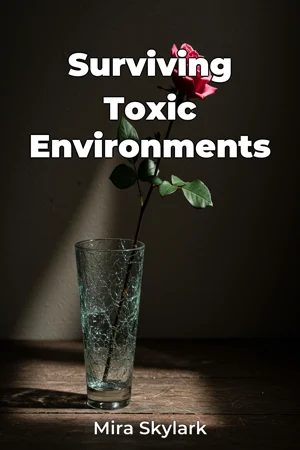
Are you trapped in a cycle of negativity, gaslighting, or manipulation, leaving you emotionally drained and questioning your own reality? "Surviving Toxic Environments" offers a comprehensive roadmap for identifying, navigating, and ultimately escaping harmful spaces, whether they exist in personal relationships, workplaces, or even within the broader social landscape. This book delves into the psychological mechanisms at play in toxic environments, providing practical strategies for reclaiming your emotional well-being and building resilience against future harm. The two key pillars upon which this book rests are understanding the dynamics of toxic relationships and environments, and cultivating personal resilience to withstand and overcome their damaging effects. It is crucial to recognize the insidious nature of toxicity, which often manifests subtly through patterns of manipulation, control, and emotional abuse. Without this understanding, individuals remain vulnerable to its pervasive influence. Likewise, resilience is not simply an innate trait, but a set of skills and strategies that can be learned and practiced to protect oneself from the negative impacts of toxic interactions. This book draws upon research in psychology, sociology, and organizational behavior to provide a multifaceted understanding of toxicity. We explore the historical context of power dynamics, the role of social structures in perpetuating toxic behaviors, and the psychological vulnerabilities that make individuals susceptible. While not requiring prior specialist knowledge, a basic understanding of interpersonal relationships and societal structures will prove beneficial. The central argument of "Surviving Toxic Environments" is that recognizing, adapting to, and ultimately escaping toxic environments requires a proactive and informed approach, combining self-awareness, strategic communication, and boundary setting. This argument is vital because many individuals remain trapped in harmful situations due to a lack of understanding, fear of consequences, or a misguided sense of obligation. The book is structured to guide the reader through a journey of understanding and empowerment. First, we introduce the core concepts of toxicity, including its various manifestations and the psychological impact it has on individuals. Second, the book develops practical strategies for identifying toxic behaviors, setting healthy boundaries, and communicating assertively. This section includes real-world examples and actionable steps that readers can implement immediately. Third, we explore techniques for building resilience, including self-care practices, mindfulness exercises, and strategies for developing a strong support network. Finally, the book culminates in a discussion of long-term strategies for escaping toxic environments, rebuilding one's life, and preventing future exposure. The arguments presented are supported by a combination of empirical research, case studies, and expert interviews. We draw upon academic studies in fields such as social psychology and organizational behavior to provide a solid scientific foundation for our claims. The inclusion of real-life case studies, gathered through interviews and surveys, provides relatable examples of the challenges and triumphs of individuals who have navigated toxic environments. This book connects to other fields such as sociology (understanding social power dynamics), communication studies (developing effective communication strategies), and mindfulness research (cultivating self-awareness and emotional regulation). These connections enrich the book's argument by providing a broader context for understanding the complexities of toxic environments. What sets "Surviving Toxic Environments" apart is its balanced approach, combining theoretical insights with practical strategies. Rather than simply diagnosing the problem, the book empowers readers to take concrete steps to improve their situation. The tone is empathetic and supportive, providing validation and encouragement to those who have experienced or are experiencing toxic environments. The target audience includes individuals who are currently in or have been in toxic relationships, workplaces, or social settings and mental health professionals, HR professionals, and anyone interested in cultivating healthier relationships. This book will be valuable to them because it offers a comprehensive framework for understanding and addressing toxicity, providing practical tools and strategies for building resilience and creating a more positive and fulfilling life. As a self-help book grounded in psychology, "Surviving Toxic Environments" emphasizes actionable advice, personal reflection, and clear, accessible language. While the book covers a broad range of toxic environments, it intentionally limits its scope to focus on individual strategies for coping and escaping. It does not delve into systemic solutions or large-scale social change, although it acknowledges the importance of these efforts. The strategies outlined in this book can be applied in numerous real-world situations, from setting boundaries with a manipulative family member to navigating a toxic workplace culture. Ultimately, "Surviving Toxic Environments" equips readers with the knowledge and skills they need to reclaim their power, protect their well-being, and create a life free from the damaging effects of toxicity.
Are you trapped in a cycle of negativity, gaslighting, or manipulation, leaving you emotionally drained and questioning your own reality? "Surviving Toxic Environments" offers a comprehensive roadmap for identifying, navigating, and ultimately escaping harmful spaces, whether they exist in personal relationships, workplaces, or even within the broader social landscape. This book delves into the psychological mechanisms at play in toxic environments, providing practical strategies for reclaiming your emotional well-being and building resilience against future harm. The two key pillars upon which this book rests are understanding the dynamics of toxic relationships and environments, and cultivating personal resilience to withstand and overcome their damaging effects. It is crucial to recognize the insidious nature of toxicity, which often manifests subtly through patterns of manipulation, control, and emotional abuse. Without this understanding, individuals remain vulnerable to its pervasive influence. Likewise, resilience is not simply an innate trait, but a set of skills and strategies that can be learned and practiced to protect oneself from the negative impacts of toxic interactions. This book draws upon research in psychology, sociology, and organizational behavior to provide a multifaceted understanding of toxicity. We explore the historical context of power dynamics, the role of social structures in perpetuating toxic behaviors, and the psychological vulnerabilities that make individuals susceptible. While not requiring prior specialist knowledge, a basic understanding of interpersonal relationships and societal structures will prove beneficial. The central argument of "Surviving Toxic Environments" is that recognizing, adapting to, and ultimately escaping toxic environments requires a proactive and informed approach, combining self-awareness, strategic communication, and boundary setting. This argument is vital because many individuals remain trapped in harmful situations due to a lack of understanding, fear of consequences, or a misguided sense of obligation. The book is structured to guide the reader through a journey of understanding and empowerment. First, we introduce the core concepts of toxicity, including its various manifestations and the psychological impact it has on individuals. Second, the book develops practical strategies for identifying toxic behaviors, setting healthy boundaries, and communicating assertively. This section includes real-world examples and actionable steps that readers can implement immediately. Third, we explore techniques for building resilience, including self-care practices, mindfulness exercises, and strategies for developing a strong support network. Finally, the book culminates in a discussion of long-term strategies for escaping toxic environments, rebuilding one's life, and preventing future exposure. The arguments presented are supported by a combination of empirical research, case studies, and expert interviews. We draw upon academic studies in fields such as social psychology and organizational behavior to provide a solid scientific foundation for our claims. The inclusion of real-life case studies, gathered through interviews and surveys, provides relatable examples of the challenges and triumphs of individuals who have navigated toxic environments. This book connects to other fields such as sociology (understanding social power dynamics), communication studies (developing effective communication strategies), and mindfulness research (cultivating self-awareness and emotional regulation). These connections enrich the book's argument by providing a broader context for understanding the complexities of toxic environments. What sets "Surviving Toxic Environments" apart is its balanced approach, combining theoretical insights with practical strategies. Rather than simply diagnosing the problem, the book empowers readers to take concrete steps to improve their situation. The tone is empathetic and supportive, providing validation and encouragement to those who have experienced or are experiencing toxic environments. The target audience includes individuals who are currently in or have been in toxic relationships, workplaces, or social settings and mental health professionals, HR professionals, and anyone interested in cultivating healthier relationships. This book will be valuable to them because it offers a comprehensive framework for understanding and addressing toxicity, providing practical tools and strategies for building resilience and creating a more positive and fulfilling life. As a self-help book grounded in psychology, "Surviving Toxic Environments" emphasizes actionable advice, personal reflection, and clear, accessible language. While the book covers a broad range of toxic environments, it intentionally limits its scope to focus on individual strategies for coping and escaping. It does not delve into systemic solutions or large-scale social change, although it acknowledges the importance of these efforts. The strategies outlined in this book can be applied in numerous real-world situations, from setting boundaries with a manipulative family member to navigating a toxic workplace culture. Ultimately, "Surviving Toxic Environments" equips readers with the knowledge and skills they need to reclaim their power, protect their well-being, and create a life free from the damaging effects of toxicity.
"Surviving Toxic Environments" provides a detailed guide for understanding and escaping harmful situations, whether in personal relationships or at work. The book focuses on identifying toxic behaviors like manipulation and gaslighting, which can subtly erode your emotional well-being and self-esteem. It emphasizes that resilience isn't just inherent; it's a skill set you can develop through self-care and boundary setting. This self-help resource approaches the topic by first explaining the dynamics of toxic relationships and their psychological impacts. It then offers practical strategies for assertive communication and building a support network. Did you know that toxic environments often thrive on isolating individuals, making it harder to recognize the abuse? Or that setting clear boundaries is a crucial first step in reclaiming your power? The book progresses from recognition to action, culminating in strategies for long-term escape and prevention of future exposure to toxicity. What makes this book unique is its blend of psychological insights with actionable steps. Through real-world examples and research, it empowers you to reclaim your life, highlighting the importance of mindfulness and self-compassion in navigating and overcoming these challenges. The book's approach empowers readers to take charge of their emotional well-being and create a healthier, more fulfilling life.
Book Details
ISBN
9788235222756
Publisher
Publifye AS
Your Licenses
You don't own any licenses for this book
Purchase a license below to unlock this book and download the EPUB.
Purchase License
Select a tier to unlock this book
Need bulk licensing?
Contact us for enterprise agreements.