
About This Book
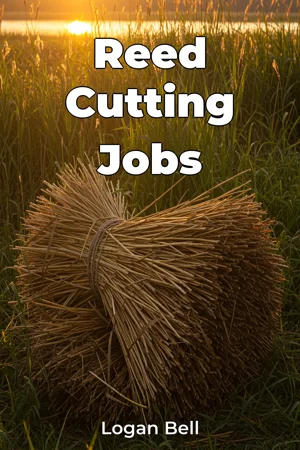
Have you ever considered the simple elegance and versatile nature of the reed, a plant so commonplace yet rich in practical applications? "Reed Cutting Jobs" explores the multifaceted world of reed harvesting and its integration into family home crafts. This book delves into the techniques of sustainable reed harvesting, demonstrating its historical significance, ecological impact, and modern-day utility for crafting functional and beautiful items. The book’s central argument posits that reed harvesting, when performed responsibly, is not only an environmentally sound practice but also a gateway to creativity and self-sufficiency, offering families an accessible way to connect with nature and produce handcrafted goods. This argument is significant because it bridges the gap between ecological awareness and hands-on creativity, promoting a lifestyle that is both sustainable and enriching. "Reed Cutting Jobs" offers a deep dive into three key interconnected areas. First, it examines the ecological importance of reeds, detailing their role in wetland ecosystems and the necessity of sustainable harvesting practices to maintain biodiversity. Second, it provides a comprehensive guide to reed harvesting, covering various techniques, tools, and safety measures essential for both small-scale and larger-scale operations. Third, it explores a diverse range of family home crafts using reeds, from basket weaving and mat making to creating decorative items and even small-scale construction projects. Each craft is presented with step-by-step instructions, accompanied by illustrative photographs. The evidence and research presented stem from a combination of sources, including historical records of reed use, ecological studies on wetlands, and practical demonstrations of crafting techniques. The book utilizes data gathered from experienced reed harvesters and craftspeople, presenting time-tested methods alongside modern innovations. This exploration of reed utilization draws connections to several fields. Environmental science informs the discussion of sustainable harvesting. History provides context for traditional uses of reeds in various cultures. Craft and design principles guide the instructions for creating aesthetically pleasing and functional objects. These interdisciplinary connections enrich the book's argument, showcasing the multifaceted value of reeds. The book is structured to guide readers through a logical progression of topics, beginning with an introduction to the ecological and historical significance of reeds, moving on to detailed instructions for harvesting and preparation, and culminating in a series of crafting projects suitable for families of all skill levels. Practical applications are emphasized throughout, with tips and advice designed to empower readers to confidently engage in reed harvesting and crafting. The tone of "Reed Cutting Jobs" is informative and encouraging, designed to inspire readers with a blend of factual information and hands-on guidance. The writing style aims to be accessible, avoiding technical jargon and presenting complex concepts in a clear and understandable manner. The target audience includes nature enthusiasts, crafters of all skill levels, families seeking creative and sustainable activities, and anyone interested in learning about traditional crafts and ecological practices. This book would be valuable to them by providing a practical and inspiring guide to a rewarding and environmentally conscious activity. As a craft and hobby book, "Reed Cutting Jobs" meets genre expectations by providing detailed instructions, illustrative photographs, and practical advice. It acknowledges the importance of safety and sustainability. It presents a balanced view, acknowledging both the benefits and potential challenges of reed harvesting. The book focuses primarily on the practical aspects of reed harvesting and crafting. While it touches on the ecological and historical context, it does not delve into highly specialized scientific or historical research. "Reed Cutting Jobs" presents a unique perspective by focusing on the synergy between responsible reed harvesting and family-oriented crafting. It offers not just instructions but also a philosophy that encourages connection with nature, creativity, and sustainable living.
Have you ever considered the simple elegance and versatile nature of the reed, a plant so commonplace yet rich in practical applications? "Reed Cutting Jobs" explores the multifaceted world of reed harvesting and its integration into family home crafts. This book delves into the techniques of sustainable reed harvesting, demonstrating its historical significance, ecological impact, and modern-day utility for crafting functional and beautiful items. The book’s central argument posits that reed harvesting, when performed responsibly, is not only an environmentally sound practice but also a gateway to creativity and self-sufficiency, offering families an accessible way to connect with nature and produce handcrafted goods. This argument is significant because it bridges the gap between ecological awareness and hands-on creativity, promoting a lifestyle that is both sustainable and enriching. "Reed Cutting Jobs" offers a deep dive into three key interconnected areas. First, it examines the ecological importance of reeds, detailing their role in wetland ecosystems and the necessity of sustainable harvesting practices to maintain biodiversity. Second, it provides a comprehensive guide to reed harvesting, covering various techniques, tools, and safety measures essential for both small-scale and larger-scale operations. Third, it explores a diverse range of family home crafts using reeds, from basket weaving and mat making to creating decorative items and even small-scale construction projects. Each craft is presented with step-by-step instructions, accompanied by illustrative photographs. The evidence and research presented stem from a combination of sources, including historical records of reed use, ecological studies on wetlands, and practical demonstrations of crafting techniques. The book utilizes data gathered from experienced reed harvesters and craftspeople, presenting time-tested methods alongside modern innovations. This exploration of reed utilization draws connections to several fields. Environmental science informs the discussion of sustainable harvesting. History provides context for traditional uses of reeds in various cultures. Craft and design principles guide the instructions for creating aesthetically pleasing and functional objects. These interdisciplinary connections enrich the book's argument, showcasing the multifaceted value of reeds. The book is structured to guide readers through a logical progression of topics, beginning with an introduction to the ecological and historical significance of reeds, moving on to detailed instructions for harvesting and preparation, and culminating in a series of crafting projects suitable for families of all skill levels. Practical applications are emphasized throughout, with tips and advice designed to empower readers to confidently engage in reed harvesting and crafting. The tone of "Reed Cutting Jobs" is informative and encouraging, designed to inspire readers with a blend of factual information and hands-on guidance. The writing style aims to be accessible, avoiding technical jargon and presenting complex concepts in a clear and understandable manner. The target audience includes nature enthusiasts, crafters of all skill levels, families seeking creative and sustainable activities, and anyone interested in learning about traditional crafts and ecological practices. This book would be valuable to them by providing a practical and inspiring guide to a rewarding and environmentally conscious activity. As a craft and hobby book, "Reed Cutting Jobs" meets genre expectations by providing detailed instructions, illustrative photographs, and practical advice. It acknowledges the importance of safety and sustainability. It presents a balanced view, acknowledging both the benefits and potential challenges of reed harvesting. The book focuses primarily on the practical aspects of reed harvesting and crafting. While it touches on the ecological and historical context, it does not delve into highly specialized scientific or historical research. "Reed Cutting Jobs" presents a unique perspective by focusing on the synergy between responsible reed harvesting and family-oriented crafting. It offers not just instructions but also a philosophy that encourages connection with nature, creativity, and sustainable living.
"Reed Cutting Jobs" explores the world of reeds, highlighting their ecological importance and practical uses in crafts. Reeds play a vital role in wetland ecosystems, and sustainable harvesting is key to maintaining biodiversity. The book emphasizes the surprising versatility of reeds, from basket weaving to mat making, showcasing how they can be transformed into beautiful and functional items. This book uniquely connects ecological awareness with hands-on creativity. It guides readers through the process of sustainable reed harvesting, teaching techniques, tool usage, and safety measures. The book then progresses into a series of crafting projects suitable for all skill levels, complete with step-by-step instructions and illustrative photographs. You will learn how to create various home crafts, promoting both sustainable living and family engagement with nature.
Book Details
ISBN
9788235222466
Publisher
Publifye AS
Your Licenses
You don't own any licenses for this book
Purchase a license below to unlock this book and download the EPUB.
Purchase License
Select a tier to unlock this book
Need bulk licensing?
Contact us for enterprise agreements.