
About This Book
Have you ever wondered about the intricate dance between human effort and the grapevine, a partnership that has shaped landscapes and cultures for millennia? "Vine Pruning Work" delves into the heart of this relationship, exploring the traditional methods of grapevine care and the pivotal role of family labor in sustaining vineyards. This book is not just about horticulture; it’s about understanding how generations have intertwined their lives with the rhythm of the seasons and the cultivation of the vine. Two central themes drive this exploration: the precise art and science of grapevine pruning, and the socio-economic structure built around family-based vineyard operations. Grapevine pruning is fundamental because it directly impacts the health, productivity, and longevity of the vine. Traditional methods, often passed down through families, represent a wealth of accumulated knowledge fine-tuned to specific regional climates and grapevine varieties. Family labor, often overlooked in modern agricultural studies, forms the backbone of many small to medium-sized vineyards, particularly in regions where tradition and a connection to the land remain strong. To understand the significance of these practices, the book contextualizes them within the history of viticulture, examining how pruning techniques have evolved across different eras and geographical locations. It explores the social dynamics within families who dedicate their lives to vineyard work, acknowledging both the rewards and challenges inherent in this lifestyle. A basic understanding of grapevine biology will be helpful for readers, but the book carefully explains the essential concepts such as bud development, shoot growth, and the vine's annual cycle. "Vine Pruning Work" argues that preserving and understanding traditional grapevine pruning methods and the role of family labor is crucial for maintaining biodiversity, supporting sustainable agriculture, and safeguarding cultural heritage. These practices, often more attuned to the specific needs of the land than industrial approaches, offer valuable lessons for contemporary viticulture. The book is structured in three parts. First, it introduces the fundamental principles of grapevine pruning, detailing various techniques, tools, and considerations for different grapevine varieties and growing conditions. Second, it examines the role of family labor in traditional vineyards, exploring the social, economic, and cultural factors that influence this system. This section includes case studies of family-run vineyards in different regions, highlighting the diversity of experiences and practices. Third, the book analyzes the sustainability and future prospects of traditional viticulture, considering the challenges posed by globalization, climate change, and changing labor markets. This culminates in practical suggestions for promoting sustainable practices and supporting family-run vineyards. The arguments presented are supported by a combination of historical research, agricultural studies, and first-hand accounts from vineyard owners and workers. Archival records, old agricultural manuals, and oral histories will provide a rich tapestry of evidence. Unique data will come from ethnographic studies conducted in vineyards across Europe and the Americas, documenting the daily lives and practices of family farmers. "Vine Pruning Work" also connects to other fields such as rural sociology, economic history, and environmental studies. It demonstrates how traditional agricultural practices intersect with broader social and economic trends and offers insights into sustainable land management and biodiversity conservation. This book stands out by taking an interdisciplinary approach that combines horticultural knowledge with social and historical analysis. It treats traditional grapevine pruning not merely as a technical skill but as a cultural practice deeply embedded in family traditions and local ecosystems. The writing style is accessible yet rigorous, blending technical information with engaging storytelling. The intended readership includes viticulture students, wine enthusiasts, agricultural historians, and anyone interested in sustainable farming practices or the preservation of cultural heritage. The book appeals because it offers a nuanced and respectful portrayal of a way of life that is both deeply traditional and increasingly relevant in a rapidly changing world. As a gardening general non-fiction book, it focuses on practical knowledge and actionable advice. The scope is intentionally limited to traditional practices and the role of family labor, recognizing that industrial viticulture presents a different set of challenges and opportunities. The information in “Vine Pruning Work” can be applied by home gardeners, small-scale vineyard owners, and anyone interested in learning more about sustainable agriculture. It provides practical guidance on pruning techniques, as well as insights into the social and economic factors that shape the wine industry. The book also addresses ongoing debates about the role of tradition versus innovation in viticulture, exploring the tensions between preserving heritage and adapting to modern challenges. It acknowledges that there are different perspectives on the best ways to manage vineyards and produce wine, and strives to present a balanced and nuanced view.
Have you ever wondered about the intricate dance between human effort and the grapevine, a partnership that has shaped landscapes and cultures for millennia? "Vine Pruning Work" delves into the heart of this relationship, exploring the traditional methods of grapevine care and the pivotal role of family labor in sustaining vineyards. This book is not just about horticulture; it’s about understanding how generations have intertwined their lives with the rhythm of the seasons and the cultivation of the vine. Two central themes drive this exploration: the precise art and science of grapevine pruning, and the socio-economic structure built around family-based vineyard operations. Grapevine pruning is fundamental because it directly impacts the health, productivity, and longevity of the vine. Traditional methods, often passed down through families, represent a wealth of accumulated knowledge fine-tuned to specific regional climates and grapevine varieties. Family labor, often overlooked in modern agricultural studies, forms the backbone of many small to medium-sized vineyards, particularly in regions where tradition and a connection to the land remain strong. To understand the significance of these practices, the book contextualizes them within the history of viticulture, examining how pruning techniques have evolved across different eras and geographical locations. It explores the social dynamics within families who dedicate their lives to vineyard work, acknowledging both the rewards and challenges inherent in this lifestyle. A basic understanding of grapevine biology will be helpful for readers, but the book carefully explains the essential concepts such as bud development, shoot growth, and the vine's annual cycle. "Vine Pruning Work" argues that preserving and understanding traditional grapevine pruning methods and the role of family labor is crucial for maintaining biodiversity, supporting sustainable agriculture, and safeguarding cultural heritage. These practices, often more attuned to the specific needs of the land than industrial approaches, offer valuable lessons for contemporary viticulture. The book is structured in three parts. First, it introduces the fundamental principles of grapevine pruning, detailing various techniques, tools, and considerations for different grapevine varieties and growing conditions. Second, it examines the role of family labor in traditional vineyards, exploring the social, economic, and cultural factors that influence this system. This section includes case studies of family-run vineyards in different regions, highlighting the diversity of experiences and practices. Third, the book analyzes the sustainability and future prospects of traditional viticulture, considering the challenges posed by globalization, climate change, and changing labor markets. This culminates in practical suggestions for promoting sustainable practices and supporting family-run vineyards. The arguments presented are supported by a combination of historical research, agricultural studies, and first-hand accounts from vineyard owners and workers. Archival records, old agricultural manuals, and oral histories will provide a rich tapestry of evidence. Unique data will come from ethnographic studies conducted in vineyards across Europe and the Americas, documenting the daily lives and practices of family farmers. "Vine Pruning Work" also connects to other fields such as rural sociology, economic history, and environmental studies. It demonstrates how traditional agricultural practices intersect with broader social and economic trends and offers insights into sustainable land management and biodiversity conservation. This book stands out by taking an interdisciplinary approach that combines horticultural knowledge with social and historical analysis. It treats traditional grapevine pruning not merely as a technical skill but as a cultural practice deeply embedded in family traditions and local ecosystems. The writing style is accessible yet rigorous, blending technical information with engaging storytelling. The intended readership includes viticulture students, wine enthusiasts, agricultural historians, and anyone interested in sustainable farming practices or the preservation of cultural heritage. The book appeals because it offers a nuanced and respectful portrayal of a way of life that is both deeply traditional and increasingly relevant in a rapidly changing world. As a gardening general non-fiction book, it focuses on practical knowledge and actionable advice. The scope is intentionally limited to traditional practices and the role of family labor, recognizing that industrial viticulture presents a different set of challenges and opportunities. The information in “Vine Pruning Work” can be applied by home gardeners, small-scale vineyard owners, and anyone interested in learning more about sustainable agriculture. It provides practical guidance on pruning techniques, as well as insights into the social and economic factors that shape the wine industry. The book also addresses ongoing debates about the role of tradition versus innovation in viticulture, exploring the tensions between preserving heritage and adapting to modern challenges. It acknowledges that there are different perspectives on the best ways to manage vineyards and produce wine, and strives to present a balanced and nuanced view.
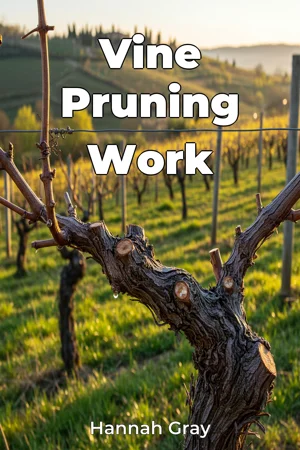
"Vine Pruning Work" explores the time-honored traditions of grapevine cultivation, focusing on the intricate art of vine pruning and the crucial role of family labor in vineyards. It argues that these practices, often more attuned to the land's needs than industrial approaches, are vital for maintaining biodiversity and cultural heritage. The book reveals how traditional pruning methods, fine-tuned over generations, directly impact the vine's health, productivity, and longevity, while family-based operations form the backbone of many vineyards, especially where tradition remains strong. The book examines the evolution of pruning techniques across different eras and regions, while exploring the social dynamics within families dedicated to vineyard work. Structured in three parts, it first introduces the principles of grapevine pruning, then examines the role of family labor through case studies, and finally analyzes the sustainability of traditional viticulture. By blending horticultural knowledge with social and historical analysis, "Vine Pruning Work" offers a unique perspective, treating pruning as a cultural practice deeply embedded in family traditions and local ecosystems, making it valuable for viticulture students, wine enthusiasts, and anyone interested in sustainable agriculture.
Book Details
ISBN
9788235222411
Publisher
Publifye AS
Your Licenses
You don't own any licenses for this book
Purchase a license below to unlock this book and download the EPUB.
Purchase License
Select a tier to unlock this book
Need bulk licensing?
Contact us for enterprise agreements.