
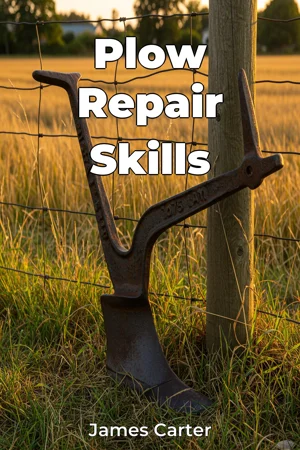
About This Book
How did the evolution of plow repair shape not only agricultural practices but also the very fabric of family life in arable farming communities? "Plow Repair Skills" delves into the intricate relationship between plow maintenance techniques, the technological advancements in plow design, and their profound impact on family dynamics within farming societies. This book addresses two central themes: first, the technical aspects of maintaining and repairing plows, and second, the role of family labor and knowledge transfer in ensuring the continued operability of this essential agricultural tool. These topics are important because the plow represented the technological heart of pre-industrial agriculture; its functionality directly correlated with a family's ability to cultivate land, produce food, and sustain themselves. Understanding the evolution of plow repair requires grounding in the history of agricultural technology and the socio-economic context of farming communities. Readers will benefit from a basic understanding of agricultural practices, rudimentary mechanics, and the historical significance of the plow as a symbol of both progress and labor. The central argument of "Plow Repair Skills" is that the ability to maintain and repair plows fostered resilience and self-sufficiency within farming families, contributing to the preservation of essential skills and the reinforcement of familial bonds through shared labor. This argument demonstrates the critical importance of technology management at the family level, showing how it shaped both agricultural output and social structure. The book's structure is divided into three primary sections. The first section introduces the history of the plow, its various designs and functions, and the basic principles of its operation. The second section delves into the practical aspects of plow repair, covering common issues such as share wear, beam fractures, and moldboard damage. This section details repair techniques using the tools and materials available to farming families. The third section explores the social and economic dimensions of plow maintenance, examining how repair knowledge was passed down through generations, the division of labor within families, and the impact of technological advancements on traditional repair methods. The arguments presented are supported by a range of evidence, including historical agricultural manuals, blacksmithing guides, archival records of farm inventories, and oral histories collected from descendants of farming families. The book employs a blend of technical analysis, historical investigation, and qualitative research methods to provide a comprehensive understanding of the subject. "Plow Repair Skills" connects to other fields of study such as economic history, exploring the costs associated with plow ownership and repair; anthropology, analyzing the cultural significance of tools and technology within farming communities; and sociology, investigating the impact of technology on family structures and labor practices. These connections enrich the analysis and provide a broader understanding of the plow's role in shaping society. A unique aspect of this book is its focus on the often-overlooked perspective of the farming family. By examining the practical challenges and ingenuity required to maintain these crucial tools, the book offers a ground-level view of agricultural technology. The book adopts a clear and accessible writing style, balancing technical detail with engaging narrative to appeal to a broad audience. The target audience includes historians of technology, agricultural enthusiasts, blacksmiths, and anyone interested in the history of rural life and traditional skills. The book offers valuable insights into the ingenuity and resilience of farming families. As a work of history and mechanical engineering, "Plow Repair Skills" adheres to the conventions of both genres, providing detailed technical descriptions alongside historical context and analysis. The book's scope is limited to hand-operated plows and the period before the widespread adoption of mechanized agriculture. The book focuses primarily on European and North American farming practices, acknowledging the diversity of global agricultural traditions while maintaining a focused approach. The information contained can be applied practically in historical reenactments, museum demonstrations, and in the preservation of traditional farming skills. Modern blacksmiths and metalworkers can also draw inspiration from the repair techniques described in the book. While the importance of plow maintenance for agricultural productivity is generally accepted, debates exist regarding the optimal plow design for different soil types and the social implications of technological change in agriculture. The book addresses these debates by presenting a balanced and nuanced perspective.
How did the evolution of plow repair shape not only agricultural practices but also the very fabric of family life in arable farming communities? "Plow Repair Skills" delves into the intricate relationship between plow maintenance techniques, the technological advancements in plow design, and their profound impact on family dynamics within farming societies. This book addresses two central themes: first, the technical aspects of maintaining and repairing plows, and second, the role of family labor and knowledge transfer in ensuring the continued operability of this essential agricultural tool. These topics are important because the plow represented the technological heart of pre-industrial agriculture; its functionality directly correlated with a family's ability to cultivate land, produce food, and sustain themselves. Understanding the evolution of plow repair requires grounding in the history of agricultural technology and the socio-economic context of farming communities. Readers will benefit from a basic understanding of agricultural practices, rudimentary mechanics, and the historical significance of the plow as a symbol of both progress and labor. The central argument of "Plow Repair Skills" is that the ability to maintain and repair plows fostered resilience and self-sufficiency within farming families, contributing to the preservation of essential skills and the reinforcement of familial bonds through shared labor. This argument demonstrates the critical importance of technology management at the family level, showing how it shaped both agricultural output and social structure. The book's structure is divided into three primary sections. The first section introduces the history of the plow, its various designs and functions, and the basic principles of its operation. The second section delves into the practical aspects of plow repair, covering common issues such as share wear, beam fractures, and moldboard damage. This section details repair techniques using the tools and materials available to farming families. The third section explores the social and economic dimensions of plow maintenance, examining how repair knowledge was passed down through generations, the division of labor within families, and the impact of technological advancements on traditional repair methods. The arguments presented are supported by a range of evidence, including historical agricultural manuals, blacksmithing guides, archival records of farm inventories, and oral histories collected from descendants of farming families. The book employs a blend of technical analysis, historical investigation, and qualitative research methods to provide a comprehensive understanding of the subject. "Plow Repair Skills" connects to other fields of study such as economic history, exploring the costs associated with plow ownership and repair; anthropology, analyzing the cultural significance of tools and technology within farming communities; and sociology, investigating the impact of technology on family structures and labor practices. These connections enrich the analysis and provide a broader understanding of the plow's role in shaping society. A unique aspect of this book is its focus on the often-overlooked perspective of the farming family. By examining the practical challenges and ingenuity required to maintain these crucial tools, the book offers a ground-level view of agricultural technology. The book adopts a clear and accessible writing style, balancing technical detail with engaging narrative to appeal to a broad audience. The target audience includes historians of technology, agricultural enthusiasts, blacksmiths, and anyone interested in the history of rural life and traditional skills. The book offers valuable insights into the ingenuity and resilience of farming families. As a work of history and mechanical engineering, "Plow Repair Skills" adheres to the conventions of both genres, providing detailed technical descriptions alongside historical context and analysis. The book's scope is limited to hand-operated plows and the period before the widespread adoption of mechanized agriculture. The book focuses primarily on European and North American farming practices, acknowledging the diversity of global agricultural traditions while maintaining a focused approach. The information contained can be applied practically in historical reenactments, museum demonstrations, and in the preservation of traditional farming skills. Modern blacksmiths and metalworkers can also draw inspiration from the repair techniques described in the book. While the importance of plow maintenance for agricultural productivity is generally accepted, debates exist regarding the optimal plow design for different soil types and the social implications of technological change in agriculture. The book addresses these debates by presenting a balanced and nuanced perspective.
"Plow Repair Skills" explores the crucial role of plow maintenance in shaping agricultural practices and family life in farming communities. It highlights how the ability to repair and maintain plows fostered self-sufficiency and resilience within families. The book delves into the technical aspects of plow repair, such as fixing share wear and beam fractures, using tools and materials available to farming families. Interestingly, the functionality of the plow directly impacted a family's ability to cultivate land, produce food, and sustain themselves, making it the technological heart of pre-industrial agriculture. The book examines the history of the plow, its designs, and operation, then progresses to practical repair techniques and the social and economic dimensions of plow maintenance. It illustrates how repair knowledge was passed down through generations, reinforcing familial bonds through shared labor. By focusing on the often-overlooked perspective of the farming family, "Plow Repair Skills" offers a unique, ground-level view of agricultural technology and its impact on rural life.
Book Details
ISBN
9788235222329
Publisher
Publifye AS
Your Licenses
You don't own any licenses for this book
Purchase a license below to unlock this book and download the EPUB.
Purchase License
Select a tier to unlock this book
Need bulk licensing?
Contact us for enterprise agreements.