
About This Book
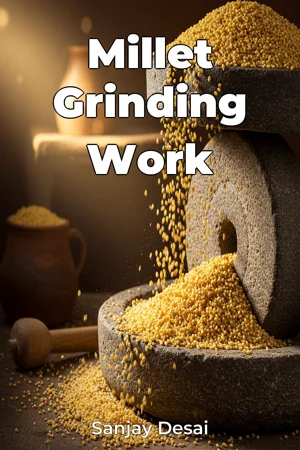
Imagine a world where the simple act of grinding grain was not just a chore, but a cornerstone of family life and culinary tradition. "Millet Grinding Work" delves into this very world, exploring the historical and cultural significance of hand-processed millet and its central role in shaping family meals across various communities. This book is not merely a collection of cooking techniques; it is an examination of how a single grain and its preparation have influenced societies, sustained families, and preserved cultural identities. This book addresses two primary, interrelated themes: the practical, hands-on techniques of millet processing and the socio-cultural context within which this labor takes place. Why is this important? Because understanding the traditional methods of food preparation offers insights into past foodways, promotes food security through the preservation of heritage grains, and connects us to the generations who relied on these practices for sustenance. Furthermore, the book explores how millet grinding, often women's work, intersects with issues of gender roles, family dynamics, and community resilience. Historically, millet has been a staple crop in arid and semi-arid regions worldwide, providing a resilient source of nutrition where other crops struggled. The book provides an overview of this history, tracing the cultivation and consumption of millet across different continents and cultures. It examines the development of hand-processing techniques, from simple grinding stones to more elaborate querns, and the knowledge systems associated with these tools. While no specific prior knowledge is required, readers with an interest in food history, anthropology, or sustainable agriculture will find this work particularly compelling. The central argument of "Millet Grinding Work" is that the seemingly mundane task of hand-grinding millet is a powerful lens through which to understand broader social, economic, and cultural dynamics. It argues that by examining this practice, we can gain a deeper appreciation for the labor, knowledge, and traditions that underpin our food systems. This argument is important because it challenges conventional, often industrialized, perspectives on food production, highlighting the value of traditional, localized practices. The book is structured to guide the reader through a comprehensive exploration of millet grinding. It begins by introducing various types of millet, their nutritional properties, and their historical significance. The second section dives deep into the practical aspects of hand-processing millet, detailing tools and techniques used in different regions. This section features detailed descriptions of various hand-grinding methods, supported by photographs and diagrams. The third section examines the socio-cultural context of millet grinding, exploring its role in family meals, rituals, and economic activities. Finally, the conclusion reflects on the lessons learned from these traditional practices and their relevance in contemporary society, particularly in addressing challenges related to food security and sustainable agriculture. The book draws upon a range of sources, including ethnographic studies, historical accounts, agricultural surveys, and oral histories. It incorporates unique data gathered from field research, which documents traditional millet-processing practices in specific communities. These real-world examples and first-hand accounts provide compelling evidence to support the book's arguments. "Millet Grinding Work" connects to several other fields of study, including anthropology, sociology, nutrition, and agricultural science. By integrating insights from these disciplines, the book offers a holistic understanding of the subject matter. The innovative aspect of this book lies in its focus on the intersection of manual labor and broader social structures. The book is written in a clear and accessible style, making it suitable for a broad audience. While maintaining a scholarly tone, the writing is engaging and avoids technical jargon whenever possible. The target audience includes food enthusiasts, historians, anthropologists, nutritionists, and anyone interested in sustainable agriculture or traditional foodways. As a work of non-fiction, the book adheres to principles of accuracy, objectivity, and thorough research. It presents a balanced and nuanced portrayal of the subject matter, acknowledging the complexities and variations in millet-processing practices across different cultures. The book’s scope is intentionally limited to hand-processing methods, excluding industrial-scale milling operations. The information presented in "Millet Grinding Work" has practical applications for readers interested in experimenting with traditional cooking techniques, promoting food sovereignty, or supporting sustainable agriculture. The book also addresses ongoing discussions about the importance of preserving cultural heritage and promoting biodiversity in food systems.
Imagine a world where the simple act of grinding grain was not just a chore, but a cornerstone of family life and culinary tradition. "Millet Grinding Work" delves into this very world, exploring the historical and cultural significance of hand-processed millet and its central role in shaping family meals across various communities. This book is not merely a collection of cooking techniques; it is an examination of how a single grain and its preparation have influenced societies, sustained families, and preserved cultural identities. This book addresses two primary, interrelated themes: the practical, hands-on techniques of millet processing and the socio-cultural context within which this labor takes place. Why is this important? Because understanding the traditional methods of food preparation offers insights into past foodways, promotes food security through the preservation of heritage grains, and connects us to the generations who relied on these practices for sustenance. Furthermore, the book explores how millet grinding, often women's work, intersects with issues of gender roles, family dynamics, and community resilience. Historically, millet has been a staple crop in arid and semi-arid regions worldwide, providing a resilient source of nutrition where other crops struggled. The book provides an overview of this history, tracing the cultivation and consumption of millet across different continents and cultures. It examines the development of hand-processing techniques, from simple grinding stones to more elaborate querns, and the knowledge systems associated with these tools. While no specific prior knowledge is required, readers with an interest in food history, anthropology, or sustainable agriculture will find this work particularly compelling. The central argument of "Millet Grinding Work" is that the seemingly mundane task of hand-grinding millet is a powerful lens through which to understand broader social, economic, and cultural dynamics. It argues that by examining this practice, we can gain a deeper appreciation for the labor, knowledge, and traditions that underpin our food systems. This argument is important because it challenges conventional, often industrialized, perspectives on food production, highlighting the value of traditional, localized practices. The book is structured to guide the reader through a comprehensive exploration of millet grinding. It begins by introducing various types of millet, their nutritional properties, and their historical significance. The second section dives deep into the practical aspects of hand-processing millet, detailing tools and techniques used in different regions. This section features detailed descriptions of various hand-grinding methods, supported by photographs and diagrams. The third section examines the socio-cultural context of millet grinding, exploring its role in family meals, rituals, and economic activities. Finally, the conclusion reflects on the lessons learned from these traditional practices and their relevance in contemporary society, particularly in addressing challenges related to food security and sustainable agriculture. The book draws upon a range of sources, including ethnographic studies, historical accounts, agricultural surveys, and oral histories. It incorporates unique data gathered from field research, which documents traditional millet-processing practices in specific communities. These real-world examples and first-hand accounts provide compelling evidence to support the book's arguments. "Millet Grinding Work" connects to several other fields of study, including anthropology, sociology, nutrition, and agricultural science. By integrating insights from these disciplines, the book offers a holistic understanding of the subject matter. The innovative aspect of this book lies in its focus on the intersection of manual labor and broader social structures. The book is written in a clear and accessible style, making it suitable for a broad audience. While maintaining a scholarly tone, the writing is engaging and avoids technical jargon whenever possible. The target audience includes food enthusiasts, historians, anthropologists, nutritionists, and anyone interested in sustainable agriculture or traditional foodways. As a work of non-fiction, the book adheres to principles of accuracy, objectivity, and thorough research. It presents a balanced and nuanced portrayal of the subject matter, acknowledging the complexities and variations in millet-processing practices across different cultures. The book’s scope is intentionally limited to hand-processing methods, excluding industrial-scale milling operations. The information presented in "Millet Grinding Work" has practical applications for readers interested in experimenting with traditional cooking techniques, promoting food sovereignty, or supporting sustainable agriculture. The book also addresses ongoing discussions about the importance of preserving cultural heritage and promoting biodiversity in food systems.
"Millet Grinding Work" explores the rich history and cultural significance of hand-processed millet, revealing how this seemingly simple task has shaped family meals and communities across the globe. The book delves into the practical techniques of grinding, highlighting the resilience of millet as a nutritional staple in arid regions and its role in promoting food security. It's fascinating to discover how millet grinding, often women's work, intersects with gender roles and community dynamics. This book uniquely examines millet grinding as a lens through which to understand broader social, economic, and cultural dynamics. By drawing upon ethnographic studies, historical accounts, and oral histories, it uncovers the knowledge systems associated with traditional tools and methods. The book progresses from introducing various types of millet and their nutritional properties to detailing hand-processing techniques and exploring the socio-cultural context of millet grinding. The book's approach offers a comprehensive exploration of millet grinding, making it valuable for food enthusiasts, historians, and anyone interested in sustainable agriculture. It highlights the importance of preserving cultural heritage and promoting biodiversity in food systems, connecting readers to the labor, knowledge, and traditions underpinning our food.
Book Details
ISBN
9788235222275
Publisher
Publifye AS
Your Licenses
You don't own any licenses for this book
Purchase a license below to unlock this book and download the EPUB.
Purchase License
Select a tier to unlock this book
Need bulk licensing?
Contact us for enterprise agreements.