
About This Book
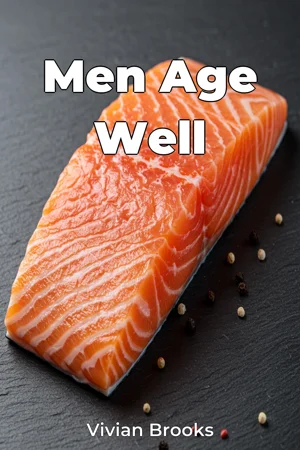
What if the secret to aging well lies not in restrictive diets or grueling exercise, but in understanding the profound impact of specific dietary choices on our cellular health? "Men Age Well" delves into the science of longevity, focusing on the often-overlooked connection between lean fish consumption and improved health metrics in men. This book explores how incorporating particular types of fish into one's diet can directly influence age-related physiological decline, offering a practical and evidence-based approach to extending healthspan. The primary topics addressed will encompass the biochemical properties of lean fish, their impact on cellular aging, and the correlation between fish consumption and key health indicators. We will examine the specific fatty acids, proteins, and micronutrients found in lean fish, dissecting their roles in reducing inflammation, supporting cardiovascular function, and enhancing cognitive performance. Understanding the significance of these factors is crucial because they collectively contribute to a higher quality of life and a reduced risk of chronic diseases associated with aging. To provide context, the book will explore the historical and cultural significance of fish consumption in various societies, alongside an overview of modern nutritional science. It will explore the evolutionary basis for fish consumption, highlighting archaeological records and anthropological studies that demonstrate the long-standing role of fish in human diets. No prerequisite expert knowledge is required; explanations of biological processes are designed to be accessible to the average reader while maintaining scientific accuracy. The central argument of "Men Age Well" is that a targeted dietary strategy emphasizing the consumption of lean fish can serve as a powerful tool in promoting healthy aging, especially in men. This argument is important because it challenges prevailing views by focusing on achievable, sustainable dietary modifications rather than relying solely on pharmaceutical interventions or overly complex regimens. Furthermore, it introduces the idea of 'nutritional precision' applied to aging, where specific nutrients are strategically employed to attain targeted health outcomes. The book's structure will follow a logical progression. We will begin by introducing the core concepts of cellular aging and the role of nutrition. The first section will lay the groundwork, establishing the foundational understanding necessary to appreciate the subsequent chapters. The development of ideas will occur across three major sections: (1) delving into the specific types of lean fish and their nutritional profiles; (2) exploring the biological mechanisms through which these nutrients influence aging processes; and (3) analyzing statistical data linking fish consumption to observable improvements in health markers. The culmination of the argument will demonstrate how these elements synergize to create a tangible strategy for promoting longevity. The final chapters will focus on practical implementation, offering meal plans, recipes, and guidelines for incorporating lean fish into daily routines. Evidence will be drawn from a wide range of sources, including peer-reviewed scientific publications, clinical studies, and meta-analyses. Special emphasis will be placed on research involving human subjects, with attention paid to studies with rigorous designs and large sample sizes. Unique data sources, such as longitudinal studies tracking dietary habits and health outcomes over long periods, will be highlighted. The book intersects with various fields beyond just health and nutrition. It connects to marine biology, examining the sustainability of fishing practices and the environmental impact of seafood consumption. It also relates to economics, considering food costs and accessibility of different types of fish. Finally, it aligns with public health policy, exploring strategies for promoting healthier dietary habits at a societal level. These connections enrich the book's argument by broadening its perspective and underscoring the multifaceted nature of healthy aging. "Men Age Well" adopts a practical perspective, steering away from theoretical discussions. It strives to provide concrete, actionable advice grounded in scientific evidence. The tone is informative and encouraging, avoiding overly technical jargon while maintaining scientific rigor. The target audience includes men aged 40 and over who are proactive about their health and interested in evidence-based strategies for promoting longevity. It will also appeal to healthcare professionals, nutritionists, and anyone seeking a deeper understanding of the relationship between diet and aging. As a work of non-fiction within the health and fitness genre, "Men Age Well" prioritizes accuracy, clarity, and objectivity. It adheres to established scientific principles and avoids making unsubstantiated claims. The scope of "Men Age Well" is intentionally focused on the role of lean fish in promoting healthy aging in men. While it acknowledges the importance of other lifestyle factors, such as exercise and stress management, it does not delve comprehensively into these areas. This focus allows for a more in-depth exploration of the primary topic, providing readers with specialized knowledge and targeted recommendations. The information can empower readers to make informed decisions about their dietary habits, allowing for a more personalized and effective approach to aging well. It also serves as a resource for healthcare professionals seeking evidence-based guidance on nutritional interventions for older men. The book will engage with ongoing debates within the scientific community, such as the optimal ratio of omega-3 to omega-6 fatty acids in the diet and the potential risks and benefits of fish oil supplementation. These controversies will be addressed in a balanced and objective manner, presenting different perspectives and allowing readers to draw their own conclusions.
What if the secret to aging well lies not in restrictive diets or grueling exercise, but in understanding the profound impact of specific dietary choices on our cellular health? "Men Age Well" delves into the science of longevity, focusing on the often-overlooked connection between lean fish consumption and improved health metrics in men. This book explores how incorporating particular types of fish into one's diet can directly influence age-related physiological decline, offering a practical and evidence-based approach to extending healthspan. The primary topics addressed will encompass the biochemical properties of lean fish, their impact on cellular aging, and the correlation between fish consumption and key health indicators. We will examine the specific fatty acids, proteins, and micronutrients found in lean fish, dissecting their roles in reducing inflammation, supporting cardiovascular function, and enhancing cognitive performance. Understanding the significance of these factors is crucial because they collectively contribute to a higher quality of life and a reduced risk of chronic diseases associated with aging. To provide context, the book will explore the historical and cultural significance of fish consumption in various societies, alongside an overview of modern nutritional science. It will explore the evolutionary basis for fish consumption, highlighting archaeological records and anthropological studies that demonstrate the long-standing role of fish in human diets. No prerequisite expert knowledge is required; explanations of biological processes are designed to be accessible to the average reader while maintaining scientific accuracy. The central argument of "Men Age Well" is that a targeted dietary strategy emphasizing the consumption of lean fish can serve as a powerful tool in promoting healthy aging, especially in men. This argument is important because it challenges prevailing views by focusing on achievable, sustainable dietary modifications rather than relying solely on pharmaceutical interventions or overly complex regimens. Furthermore, it introduces the idea of 'nutritional precision' applied to aging, where specific nutrients are strategically employed to attain targeted health outcomes. The book's structure will follow a logical progression. We will begin by introducing the core concepts of cellular aging and the role of nutrition. The first section will lay the groundwork, establishing the foundational understanding necessary to appreciate the subsequent chapters. The development of ideas will occur across three major sections: (1) delving into the specific types of lean fish and their nutritional profiles; (2) exploring the biological mechanisms through which these nutrients influence aging processes; and (3) analyzing statistical data linking fish consumption to observable improvements in health markers. The culmination of the argument will demonstrate how these elements synergize to create a tangible strategy for promoting longevity. The final chapters will focus on practical implementation, offering meal plans, recipes, and guidelines for incorporating lean fish into daily routines. Evidence will be drawn from a wide range of sources, including peer-reviewed scientific publications, clinical studies, and meta-analyses. Special emphasis will be placed on research involving human subjects, with attention paid to studies with rigorous designs and large sample sizes. Unique data sources, such as longitudinal studies tracking dietary habits and health outcomes over long periods, will be highlighted. The book intersects with various fields beyond just health and nutrition. It connects to marine biology, examining the sustainability of fishing practices and the environmental impact of seafood consumption. It also relates to economics, considering food costs and accessibility of different types of fish. Finally, it aligns with public health policy, exploring strategies for promoting healthier dietary habits at a societal level. These connections enrich the book's argument by broadening its perspective and underscoring the multifaceted nature of healthy aging. "Men Age Well" adopts a practical perspective, steering away from theoretical discussions. It strives to provide concrete, actionable advice grounded in scientific evidence. The tone is informative and encouraging, avoiding overly technical jargon while maintaining scientific rigor. The target audience includes men aged 40 and over who are proactive about their health and interested in evidence-based strategies for promoting longevity. It will also appeal to healthcare professionals, nutritionists, and anyone seeking a deeper understanding of the relationship between diet and aging. As a work of non-fiction within the health and fitness genre, "Men Age Well" prioritizes accuracy, clarity, and objectivity. It adheres to established scientific principles and avoids making unsubstantiated claims. The scope of "Men Age Well" is intentionally focused on the role of lean fish in promoting healthy aging in men. While it acknowledges the importance of other lifestyle factors, such as exercise and stress management, it does not delve comprehensively into these areas. This focus allows for a more in-depth exploration of the primary topic, providing readers with specialized knowledge and targeted recommendations. The information can empower readers to make informed decisions about their dietary habits, allowing for a more personalized and effective approach to aging well. It also serves as a resource for healthcare professionals seeking evidence-based guidance on nutritional interventions for older men. The book will engage with ongoing debates within the scientific community, such as the optimal ratio of omega-3 to omega-6 fatty acids in the diet and the potential risks and benefits of fish oil supplementation. These controversies will be addressed in a balanced and objective manner, presenting different perspectives and allowing readers to draw their own conclusions.
"Men Age Well" explores the science of longevity, particularly how dietary choices, specifically lean fish, impact men's cellular health and overall aging process. It argues that incorporating certain types of fish can positively influence age-related decline, offering a practical, evidence-based approach to extending healthspan. Did you know that specific fatty acids in lean fish can reduce inflammation, supporting cardiovascular function and cognitive performance? This book dives into the nutritional precision of using diet for targeted health outcomes. The book progresses logically, starting with core concepts of cellular aging and nutrition. It then delves into specific types of lean fish and their nutritional profiles. The latter part explores the biological mechanisms through which these nutrients influence the aging process. It analyzes statistical data linking fish consumption to improvements in health markers, ultimately providing meal plans and recipes for incorporating lean fish into daily routines.
Book Details
ISBN
9788235222244
Publisher
Publifye AS
Your Licenses
You don't own any licenses for this book
Purchase a license below to unlock this book and download the EPUB.
Purchase License
Select a tier to unlock this book
Need bulk licensing?
Contact us for enterprise agreements.