
About This Book
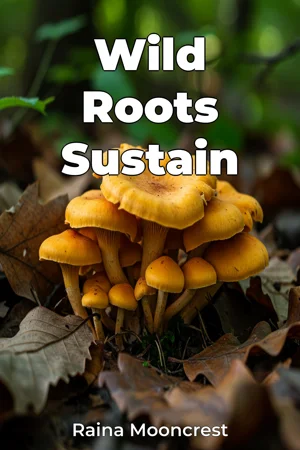
Can the secrets of survival be unlocked by understanding the language of the forest floor? *Wild Roots Sustain* delves into the intricate world of foraging for edible plants in forest ecosystems, exploring the potential for sustenance and self-sufficiency that lies hidden beneath the canopy. This book addresses two key topics: the identification and sustainable harvesting of edible forest plants, and the ecological roles these plants play within their environments. These topics are important because they provide a pathway towards a deeper connection with nature, offering practical skills for responsible foraging while simultaneously fostering an understanding of ecological balance. Historically, knowledge of edible plants was crucial for human survival. Indigenous communities worldwide cultivated a profound understanding of their local flora, using this knowledge for food, medicine, and cultural practices. In contemporary society, this knowledge has largely been lost or forgotten, replaced by dependence on industrial agriculture. This book aims to bridge this gap, providing a comprehensive guide accessible to both novice and experienced foragers. The central argument of *Wild Roots Sustain* is that a mindful approach to foraging, grounded in ecological awareness and sustainable practices, can provide a valuable source of nutrition and contribute to a more resilient and ecologically harmonious lifestyle. The book is structured to guide the reader from foundational concepts to practical application. It begins with an introduction to basic botanical principles necessary for plant identification, emphasizing key characteristics and potential look-alikes. It then moves into detailed descriptions of specific edible plant species commonly found in various forest types, covering their habitat, seasonality, nutritional value, and potential hazards. Two major sections are dedicated to sustainable harvesting techniques and ethical considerations, stressing the importance of minimizing environmental impact and respecting local ecosystems. Specific techniques such as responsible harvesting volumes, and habitat protection are discussed. A final section addresses the preparation and preservation of foraged foods, including recipes and methods for drying, fermenting, and canning. Evidence presented throughout the book draws from a variety of sources, including botanical field guides, scientific research on plant ecology and nutrition, and traditional knowledge passed down through generations of foragers. The book also includes original photographs and illustrations to aid in plant identification. *Wild Roots Sustain* connects to several other fields of study, including botany, ecology, nutrition, and anthropology. Understanding plant physiology requires delving into botany. Assessing environmental impacts requires application of ecology. Determining nutritional value relies on nutritional science. Finally, respecting traditional uses taps into anthropology. These interdisciplinary connections enrich the book's argument by providing a holistic view of foraging as both a practical skill and a cultural practice. This book offers a unique perspective by combining scientific rigor with a practical, hands-on approach. It emphasizes the importance of understanding the ecological context of foraging, rather than simply focusing on plant identification. The tone is informative and accessible, striking a balance between scientific accuracy and engaging storytelling. The target audience includes nature enthusiasts, hikers, campers, preppers, gardeners, and anyone interested in learning more about edible plants and sustainable living. *Wild Roots Sustain* would be valuable to them because it provides a comprehensive and reliable guide to foraging, empowering them to connect with nature in a meaningful and responsible way. As a non-fiction book centered on nature, biology, and life sciences, it adheres to the conventions of providing accurate information, citing sources, and presenting evidence-based arguments. The scope of the book is limited to edible plants found in forest ecosystems of North America and Europe, focusing on species that are relatively common and easy to identify. It does not cover poisonous plants in exhaustive detail, although it does address common look-alikes and potential hazards. The information in the book can be applied practically by readers to identify, harvest, and prepare edible plants, providing a valuable source of nutrition and a deeper connection with nature. Ongoing debates in the field of foraging include the impact of harvesting on plant populations and the potential for over-exploitation of resources. *Wild Roots Sustain* addresses these controversies by emphasizing sustainable harvesting techniques and promoting a mindful approach to foraging that prioritizes ecological responsibility.
Can the secrets of survival be unlocked by understanding the language of the forest floor? *Wild Roots Sustain* delves into the intricate world of foraging for edible plants in forest ecosystems, exploring the potential for sustenance and self-sufficiency that lies hidden beneath the canopy. This book addresses two key topics: the identification and sustainable harvesting of edible forest plants, and the ecological roles these plants play within their environments. These topics are important because they provide a pathway towards a deeper connection with nature, offering practical skills for responsible foraging while simultaneously fostering an understanding of ecological balance. Historically, knowledge of edible plants was crucial for human survival. Indigenous communities worldwide cultivated a profound understanding of their local flora, using this knowledge for food, medicine, and cultural practices. In contemporary society, this knowledge has largely been lost or forgotten, replaced by dependence on industrial agriculture. This book aims to bridge this gap, providing a comprehensive guide accessible to both novice and experienced foragers. The central argument of *Wild Roots Sustain* is that a mindful approach to foraging, grounded in ecological awareness and sustainable practices, can provide a valuable source of nutrition and contribute to a more resilient and ecologically harmonious lifestyle. The book is structured to guide the reader from foundational concepts to practical application. It begins with an introduction to basic botanical principles necessary for plant identification, emphasizing key characteristics and potential look-alikes. It then moves into detailed descriptions of specific edible plant species commonly found in various forest types, covering their habitat, seasonality, nutritional value, and potential hazards. Two major sections are dedicated to sustainable harvesting techniques and ethical considerations, stressing the importance of minimizing environmental impact and respecting local ecosystems. Specific techniques such as responsible harvesting volumes, and habitat protection are discussed. A final section addresses the preparation and preservation of foraged foods, including recipes and methods for drying, fermenting, and canning. Evidence presented throughout the book draws from a variety of sources, including botanical field guides, scientific research on plant ecology and nutrition, and traditional knowledge passed down through generations of foragers. The book also includes original photographs and illustrations to aid in plant identification. *Wild Roots Sustain* connects to several other fields of study, including botany, ecology, nutrition, and anthropology. Understanding plant physiology requires delving into botany. Assessing environmental impacts requires application of ecology. Determining nutritional value relies on nutritional science. Finally, respecting traditional uses taps into anthropology. These interdisciplinary connections enrich the book's argument by providing a holistic view of foraging as both a practical skill and a cultural practice. This book offers a unique perspective by combining scientific rigor with a practical, hands-on approach. It emphasizes the importance of understanding the ecological context of foraging, rather than simply focusing on plant identification. The tone is informative and accessible, striking a balance between scientific accuracy and engaging storytelling. The target audience includes nature enthusiasts, hikers, campers, preppers, gardeners, and anyone interested in learning more about edible plants and sustainable living. *Wild Roots Sustain* would be valuable to them because it provides a comprehensive and reliable guide to foraging, empowering them to connect with nature in a meaningful and responsible way. As a non-fiction book centered on nature, biology, and life sciences, it adheres to the conventions of providing accurate information, citing sources, and presenting evidence-based arguments. The scope of the book is limited to edible plants found in forest ecosystems of North America and Europe, focusing on species that are relatively common and easy to identify. It does not cover poisonous plants in exhaustive detail, although it does address common look-alikes and potential hazards. The information in the book can be applied practically by readers to identify, harvest, and prepare edible plants, providing a valuable source of nutrition and a deeper connection with nature. Ongoing debates in the field of foraging include the impact of harvesting on plant populations and the potential for over-exploitation of resources. *Wild Roots Sustain* addresses these controversies by emphasizing sustainable harvesting techniques and promoting a mindful approach to foraging that prioritizes ecological responsibility.
*Wild Roots Sustain* explores the world of foraging, focusing on identifying and sustainably harvesting edible plants within forest ecosystems. It emphasizes the interconnectedness of ecological balance, nutrition, and our relationship with nature. Historically, foraging was essential for survival, and this book aims to revive that knowledge, offering a guide to responsible foraging grounded in ecological awareness. The book explains that many edible plants play crucial roles in their environments, such as supporting insect populations or enriching the soil. The book begins with botanical principles for plant identification, highlighting key characteristics and potential look-alikes. It then provides detailed descriptions of edible plant species, their habitats, and nutritional value. A significant portion is dedicated to sustainable harvesting techniques, stressing minimal environmental impact. For example, it explains how to harvest without damaging the plant or disturbing the surrounding ecosystem. The final sections cover preparing and preserving foraged foods. Combining scientific rigor with a practical approach, *Wild Roots Sustain* provides a unique perspective for nature enthusiasts. It emphasizes understanding the ecological context of foraging, not just plant identification, and offers a path to sustainable living through responsible interaction with forest ecosystems. The book draws from field guides, scientific research, and traditional knowledge, progressing from foundational concepts to practical applications across its chapters.
Book Details
ISBN
9788235222206
Publisher
Publifye AS
Your Licenses
You don't own any licenses for this book
Purchase a license below to unlock this book and download the EPUB.
Purchase License
Select a tier to unlock this book
Need bulk licensing?
Contact us for enterprise agreements.