
About This Book
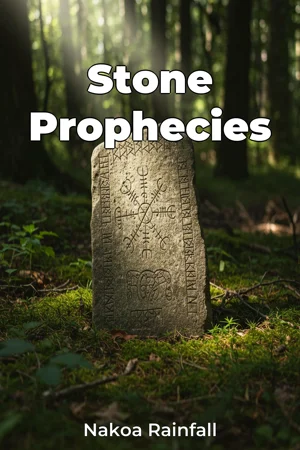
Are the secrets of the future etched in stone, waiting for us to decipher their divine warnings? "Stone Prophecies" delves into the world of enigmatic inscriptions, ancient rune stones, and cryptic carvings, examining the long-held belief that these artifacts contain messages of prophecy and divine intervention. This exploration is of paramount importance as it scrutinizes the intersection of history, belief, and the human desire to foresee the future, offering a grounded perspective on phenomena often shrouded in mysticism. This book navigates three central themes: the historical context of prophetic claims associated with stone inscriptions, the methodologies used to interpret these messages, and the cultural impact of these prophecies on societies throughout history. Understanding these themes provides critical insight into how ancient civilizations perceived their relationship with the divine and how these perceptions shaped their actions and beliefs. The historical backdrop is crucial. The stones examined originate from diverse cultures and time periods, each with unique social and religious contexts that influenced the creation and interpretation of their inscriptions. We will examine the prevalent beliefs surrounding divination and prophecy in these societies, requiring the reader to appreciate the symbolic language and religious frameworks of the cultures in question. The core argument of "Stone Prophecies" is that while many interpretations of these stone inscriptions lack verifiable evidence, their enduring presence in human history reveals a persistent human need to find meaning and guidance in the face of uncertainty. This book aims to analyze these prophecies not as definitive predictions, but as reflections of cultural anxieties, hopes, and the ever-present human quest for understanding our place in the cosmos. The book unfolds by first introducing the history of stone prophecy and its prevalence across different civilizations. Following this, it will analyze specific examples like Norse runes, ancient temple carvings, and lesser-known inscribed tablets, evaluating the methods employed to decipher them—from linguistic analysis to mythological interpretation. The culmination of this analysis explores the cultural significance of stone prophecies, examining how they influenced social norms, political decisions, and religious practices. Finally, the book considers the real-world implications of interpreting such prophecies, including the dangers of misinterpretation and the ethical responsibilities of those who claim to decipher divine messages. The evidence presented includes detailed analyses of inscription translations, archaeological reports, historical accounts of the creation of rune stones and carvings, and comparisons of the cultural contexts in which these artifacts were created and interpreted. The research incorporates linguistic analysis, comparative mythology, and historical contextualization to create a holistic view. This work also connects to the fields of religious studies, anthropology, and art history by examining how belief systems, cultural practices, and artistic expressions intertwine in the creation and interpretation of stone prophecies. These interdisciplinary connections enrich the reader's comprehension of the various forces shaping our understanding of these monuments. “Stone Prophecies” adopts a balanced and critical tone, presenting information in a clear and accessible style suitable for both academic and general audiences interested in history, religion, and prophecy. While avoiding sensationalism, the book offers a nuanced perspective on a topic often laden with speculation. The primary target audience includes readers interested in history, biblical studies, archaeology, and comparative religion, as well as those fascinated by prophecy and ancient mysteries. This book offers these readers a fresh and scholarly approach to a subject often sensationalized. In line with the standards of non-fiction historical analysis, this book aims to provide verifiable evidence and reasoned arguments, clearly distinguishing between historical fact and speculative interpretation. The scope of "Stone Prophecies" is intentionally focused on the analysis of textual and archaeological evidence related to stone inscriptions, while it refrains from endorsing any specific prophetic claims. Understanding the cultural context behind these stone inscriptions allows readers to critically evaluate contemporary claims of prophecy and discern the difference between informed interpretation and unfounded speculation. The book addresses the ongoing debates surrounding the authenticity and interpretation of ancient texts, acknowledging the multiplicity of viewpoints and encouraging informed discussion.
Are the secrets of the future etched in stone, waiting for us to decipher their divine warnings? "Stone Prophecies" delves into the world of enigmatic inscriptions, ancient rune stones, and cryptic carvings, examining the long-held belief that these artifacts contain messages of prophecy and divine intervention. This exploration is of paramount importance as it scrutinizes the intersection of history, belief, and the human desire to foresee the future, offering a grounded perspective on phenomena often shrouded in mysticism. This book navigates three central themes: the historical context of prophetic claims associated with stone inscriptions, the methodologies used to interpret these messages, and the cultural impact of these prophecies on societies throughout history. Understanding these themes provides critical insight into how ancient civilizations perceived their relationship with the divine and how these perceptions shaped their actions and beliefs. The historical backdrop is crucial. The stones examined originate from diverse cultures and time periods, each with unique social and religious contexts that influenced the creation and interpretation of their inscriptions. We will examine the prevalent beliefs surrounding divination and prophecy in these societies, requiring the reader to appreciate the symbolic language and religious frameworks of the cultures in question. The core argument of "Stone Prophecies" is that while many interpretations of these stone inscriptions lack verifiable evidence, their enduring presence in human history reveals a persistent human need to find meaning and guidance in the face of uncertainty. This book aims to analyze these prophecies not as definitive predictions, but as reflections of cultural anxieties, hopes, and the ever-present human quest for understanding our place in the cosmos. The book unfolds by first introducing the history of stone prophecy and its prevalence across different civilizations. Following this, it will analyze specific examples like Norse runes, ancient temple carvings, and lesser-known inscribed tablets, evaluating the methods employed to decipher them—from linguistic analysis to mythological interpretation. The culmination of this analysis explores the cultural significance of stone prophecies, examining how they influenced social norms, political decisions, and religious practices. Finally, the book considers the real-world implications of interpreting such prophecies, including the dangers of misinterpretation and the ethical responsibilities of those who claim to decipher divine messages. The evidence presented includes detailed analyses of inscription translations, archaeological reports, historical accounts of the creation of rune stones and carvings, and comparisons of the cultural contexts in which these artifacts were created and interpreted. The research incorporates linguistic analysis, comparative mythology, and historical contextualization to create a holistic view. This work also connects to the fields of religious studies, anthropology, and art history by examining how belief systems, cultural practices, and artistic expressions intertwine in the creation and interpretation of stone prophecies. These interdisciplinary connections enrich the reader's comprehension of the various forces shaping our understanding of these monuments. “Stone Prophecies” adopts a balanced and critical tone, presenting information in a clear and accessible style suitable for both academic and general audiences interested in history, religion, and prophecy. While avoiding sensationalism, the book offers a nuanced perspective on a topic often laden with speculation. The primary target audience includes readers interested in history, biblical studies, archaeology, and comparative religion, as well as those fascinated by prophecy and ancient mysteries. This book offers these readers a fresh and scholarly approach to a subject often sensationalized. In line with the standards of non-fiction historical analysis, this book aims to provide verifiable evidence and reasoned arguments, clearly distinguishing between historical fact and speculative interpretation. The scope of "Stone Prophecies" is intentionally focused on the analysis of textual and archaeological evidence related to stone inscriptions, while it refrains from endorsing any specific prophetic claims. Understanding the cultural context behind these stone inscriptions allows readers to critically evaluate contemporary claims of prophecy and discern the difference between informed interpretation and unfounded speculation. The book addresses the ongoing debates surrounding the authenticity and interpretation of ancient texts, acknowledging the multiplicity of viewpoints and encouraging informed discussion.
"Stone Prophecies" explores the enduring human fascination with stone inscriptions as potential sources of prophecy and divine intervention. The book examines how various cultures, from Norse rune stones to ancient temple carvings, have sought to decipher messages from the past, believing that these stones hold secrets of the future. It highlights that the interpretation of these stone prophecies often reflects the cultural anxieties and hopes of the societies that created and interpreted them. The book navigates the history and interpretation of these inscriptions, analyzing specific examples and the methods used to decode them, such as linguistic analysis and mythological interpretation. One intriguing insight is how interpretations of stone prophecies have influenced social norms, political decisions, and religious practices throughout history. The book also discusses the ethical responsibilities of those who claim to decipher these messages, emphasizing the importance of distinguishing between informed interpretation and unfounded speculation. Across its chapters, "Stone Prophecies" progresses from an introduction to the history of stone prophecy to an analysis of specific examples and their cultural significance. By presenting a balanced and critical tone, the book aims to provide a scholarly yet accessible approach for those fascinated by ancient mysteries, biblical studies prophecy, and the human quest for meaning etched in stone.
Book Details
ISBN
9788235222183
Publisher
Publifye AS
Your Licenses
You don't own any licenses for this book
Purchase a license below to unlock this book and download the EPUB.
Purchase License
Select a tier to unlock this book
Need bulk licensing?
Contact us for enterprise agreements.