
About This Book
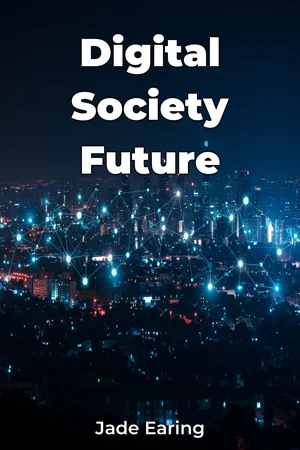
How will social media reshape society in the coming decades? "Digital Society Future" explores the evolving landscape of online interaction, drawing on academic research and industry forecasts to project the significant shifts we can expect in the digital realm. It examines the profound ways social media platforms are poised to reshape communication, governance, identity, and community. This book argues that understanding these impending evolutions is crucial for navigating the complexities of the 21st century. The central thesis posits that the future of social media is intricately linked to the broader development of society, influencing not only individual behavior but also the structural frameworks of institutions and global interactions. To understand this projection, the book first provides historical context, tracing the evolution of social media from its nascent stages to its current dominance. It analyzes the driving forces behind these transformations, including technological innovation, shifting cultural norms, and the increasing mobilization of social and political movements online. It considers the rise of Web3, blockchain technologies, and augmented reality as potential catalysts for transforming the future of social interaction. The book is structured around four key areas: The first will focus on the evolving nature of online identities and relationships, exploring how individuals construct and manage their digital personas, and how these digital identities impact real-world interactions and perceptions. Secondly, the book delves into the impact of social media on political discourse and governance, examining issues such as online polarization, disinformation campaigns, and the use of social media by governments and activists. Thirdly, it examines the economic dimensions of social media, analyzing the rise of the creator economy, the monetization of user data, and the impact of social media on traditional industries. Finally, it looks at the social and ethical implications of emerging technologies like AI-driven content creation and the metaverse. To bolster its arguments, "Digital Society Future" synthesizes a wide range of sources, including empirical studies from social science, data analytics from technology firms, and expert opinions from industry leaders. It incorporates quantitative analyses of user behavior, qualitative assessments of online communities, and case studies of social media’s impact on specific events and movements. This work bridges the disciplines of sociology, communication studies, and technology, providing a holistic view of social media's impact. It also explores the ethical considerations surrounding data privacy, algorithmic bias, and the potential for social manipulation, offering solutions for a more equitable and socially responsible digital future. This book distinguishes itself through its prospective approach, moving beyond current analyses to anticipate future trends and their potential consequences. It also offers practical recommendations for policymakers, educators, and individuals seeking to navigate the digital world effectively. Written in an accessible yet informed style, this book caters to a broad audience, including students, researchers, industry professionals, and anyone interested in understanding the future of social media. While the book aims to provide a comprehensive overview, it acknowledges the inherent limitations of predicting the future. The scope is primarily focused on Western societies, although it also considers global trends and their implications for diverse cultural contexts. The insights presented in "Digital Society Future" can be applied in various real-world scenarios, from developing effective social media strategies for businesses to understanding the impact of online platforms on mental health and well-being. It also addresses ongoing debates about censorship, free speech, and the role of social media platforms in moderating content. By exploring these critical issues, "Digital Society Future" equips readers with the knowledge to critically analyze the evolving digital world and make informed decisions about their own online engagement.
How will social media reshape society in the coming decades? "Digital Society Future" explores the evolving landscape of online interaction, drawing on academic research and industry forecasts to project the significant shifts we can expect in the digital realm. It examines the profound ways social media platforms are poised to reshape communication, governance, identity, and community. This book argues that understanding these impending evolutions is crucial for navigating the complexities of the 21st century. The central thesis posits that the future of social media is intricately linked to the broader development of society, influencing not only individual behavior but also the structural frameworks of institutions and global interactions. To understand this projection, the book first provides historical context, tracing the evolution of social media from its nascent stages to its current dominance. It analyzes the driving forces behind these transformations, including technological innovation, shifting cultural norms, and the increasing mobilization of social and political movements online. It considers the rise of Web3, blockchain technologies, and augmented reality as potential catalysts for transforming the future of social interaction. The book is structured around four key areas: The first will focus on the evolving nature of online identities and relationships, exploring how individuals construct and manage their digital personas, and how these digital identities impact real-world interactions and perceptions. Secondly, the book delves into the impact of social media on political discourse and governance, examining issues such as online polarization, disinformation campaigns, and the use of social media by governments and activists. Thirdly, it examines the economic dimensions of social media, analyzing the rise of the creator economy, the monetization of user data, and the impact of social media on traditional industries. Finally, it looks at the social and ethical implications of emerging technologies like AI-driven content creation and the metaverse. To bolster its arguments, "Digital Society Future" synthesizes a wide range of sources, including empirical studies from social science, data analytics from technology firms, and expert opinions from industry leaders. It incorporates quantitative analyses of user behavior, qualitative assessments of online communities, and case studies of social media’s impact on specific events and movements. This work bridges the disciplines of sociology, communication studies, and technology, providing a holistic view of social media's impact. It also explores the ethical considerations surrounding data privacy, algorithmic bias, and the potential for social manipulation, offering solutions for a more equitable and socially responsible digital future. This book distinguishes itself through its prospective approach, moving beyond current analyses to anticipate future trends and their potential consequences. It also offers practical recommendations for policymakers, educators, and individuals seeking to navigate the digital world effectively. Written in an accessible yet informed style, this book caters to a broad audience, including students, researchers, industry professionals, and anyone interested in understanding the future of social media. While the book aims to provide a comprehensive overview, it acknowledges the inherent limitations of predicting the future. The scope is primarily focused on Western societies, although it also considers global trends and their implications for diverse cultural contexts. The insights presented in "Digital Society Future" can be applied in various real-world scenarios, from developing effective social media strategies for businesses to understanding the impact of online platforms on mental health and well-being. It also addresses ongoing debates about censorship, free speech, and the role of social media platforms in moderating content. By exploring these critical issues, "Digital Society Future" equips readers with the knowledge to critically analyze the evolving digital world and make informed decisions about their own online engagement.
"Digital Society Future" explores how social media will reshape society, projecting significant shifts in communication, governance, identity, and online communities. It argues that understanding these evolutions is crucial for navigating the 21st century, given social media's influence on individual behavior, institutional frameworks, and global interactions. Did you know that the rise of Web3 and augmented reality may soon transform online interaction? Or that the creator economy is rapidly changing how individuals monetize their digital personas? The book traces social media's evolution, analyzing driving forces like technological innovation and shifting cultural norms, while also considering the impact of algorithmic bias. It progresses through key areas, including the evolving nature of digital identities, social media's impact on political discourse (such as online polarization), the economic dimensions of user data monetization, and the ethical implications of AI-driven content. Synthesizing empirical studies, data analytics, and expert opinions, this book offers a prospective approach, moving beyond current analyses to anticipate future trends. It provides practical recommendations for navigating the digital world and equips readers with the knowledge to critically analyze the evolving digital landscape.
Book Details
ISBN
9788235222107
Publisher
Publifye AS
Your Licenses
You don't own any licenses for this book
Purchase a license below to unlock this book and download the EPUB.
Purchase License
Select a tier to unlock this book
Need bulk licensing?
Contact us for enterprise agreements.