
About This Book
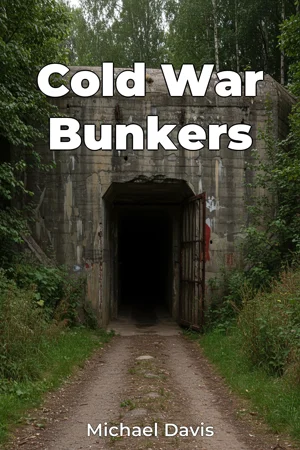
What if the unthinkable happened? Cold War Bunkers explores the hidden world of government-built subterranean facilities, designed as humanity's last resort in the event of nuclear fallout. This book delves into the architectural, historical, and military significance of these largely unseen structures, examining their design, purpose, and the societal anxieties that fueled their creation. Understanding these bunkers provides critical insight into the Cold War era and the pervasive fear of nuclear annihilation that shaped global politics and architectural planning. The core argument of Cold War Bunkers is that these structures represent a physical manifestation of Cold War-era anxieties, reflecting the immense resources and psychological energy invested in preparing for nuclear war. They are not mere architectural oddities, but rather tangible expressions of a society grappling with the potential for total destruction. Exploring these bunkers shines a light on the strategic thinking, engineering ingenuity, and ultimately, the profound human fears that defined an era. This book is structured to provide a comprehensive understanding of these underground complexes. It begins by establishing the historical context of the Cold War, detailing the escalating arms race and the doctrine of mutually assured destruction. It then transitions into an examination of the architectural designs of these bunkers, analyzing their layout, construction materials, and life-support systems. A significant portion of the book is dedicated to exploring specific examples of these bunkers around the world, detailing their purpose, intended occupants, and the level of preparedness they offered. The book culminates with a discussion of the legacy of these bunkers, their current status, and what they tell us about our ongoing relationship with nuclear threats. The evidence presented within Cold War Bunkers draws from a variety of sources, including declassified government documents, architectural plans, historical accounts, and on-site inspections where possible. Oral histories from engineers, military personnel, and government officials involved in the construction and maintenance of these facilities provide unique insights. This book connects to several interdisciplinary fields, including political science by illustrating Cold War strategy, sociology by examining the societal impact of nuclear fear, and even environmental science by considering the long-term effects of underground construction and potential contamination. Cold War Bunkers adopts a fact-based, analytical approach, focusing on the historical and architectural details of these facilities while remaining accessible to a broad audience. It avoids sensationalism, instead striving to provide a balanced and informative account, and caters to readers interested in military history, architecture, Cold War history, and anyone curious about the hidden structures beneath our feet. The scope of this book is intentionally broad, covering a range of bunkers from different countries and with varying levels of sophistication, illustrating the global scale of Cold War preparations. It does not delve into the psychological impact of living within these bunkers, as this is covered in other works, nor does it offer a comprehensive guide to modern survivalism; rather it is a study of the historical artifacts of the Cold War. The information presented has real-world applications for those interested in historical preservation, urban planning, and understanding the ongoing threat of nuclear proliferation. The book also touches upon debates surrounding the ethical implications of building and maintaining such facilities, considering the resources diverted from other societal needs. By exploring these subterranean worlds created in response to global crisis, Cold War Bunkers aims to inform and provoke critical reflection on the enduring legacy of the Cold War and its continuing relevance in the 21st century.
What if the unthinkable happened? Cold War Bunkers explores the hidden world of government-built subterranean facilities, designed as humanity's last resort in the event of nuclear fallout. This book delves into the architectural, historical, and military significance of these largely unseen structures, examining their design, purpose, and the societal anxieties that fueled their creation. Understanding these bunkers provides critical insight into the Cold War era and the pervasive fear of nuclear annihilation that shaped global politics and architectural planning. The core argument of Cold War Bunkers is that these structures represent a physical manifestation of Cold War-era anxieties, reflecting the immense resources and psychological energy invested in preparing for nuclear war. They are not mere architectural oddities, but rather tangible expressions of a society grappling with the potential for total destruction. Exploring these bunkers shines a light on the strategic thinking, engineering ingenuity, and ultimately, the profound human fears that defined an era. This book is structured to provide a comprehensive understanding of these underground complexes. It begins by establishing the historical context of the Cold War, detailing the escalating arms race and the doctrine of mutually assured destruction. It then transitions into an examination of the architectural designs of these bunkers, analyzing their layout, construction materials, and life-support systems. A significant portion of the book is dedicated to exploring specific examples of these bunkers around the world, detailing their purpose, intended occupants, and the level of preparedness they offered. The book culminates with a discussion of the legacy of these bunkers, their current status, and what they tell us about our ongoing relationship with nuclear threats. The evidence presented within Cold War Bunkers draws from a variety of sources, including declassified government documents, architectural plans, historical accounts, and on-site inspections where possible. Oral histories from engineers, military personnel, and government officials involved in the construction and maintenance of these facilities provide unique insights. This book connects to several interdisciplinary fields, including political science by illustrating Cold War strategy, sociology by examining the societal impact of nuclear fear, and even environmental science by considering the long-term effects of underground construction and potential contamination. Cold War Bunkers adopts a fact-based, analytical approach, focusing on the historical and architectural details of these facilities while remaining accessible to a broad audience. It avoids sensationalism, instead striving to provide a balanced and informative account, and caters to readers interested in military history, architecture, Cold War history, and anyone curious about the hidden structures beneath our feet. The scope of this book is intentionally broad, covering a range of bunkers from different countries and with varying levels of sophistication, illustrating the global scale of Cold War preparations. It does not delve into the psychological impact of living within these bunkers, as this is covered in other works, nor does it offer a comprehensive guide to modern survivalism; rather it is a study of the historical artifacts of the Cold War. The information presented has real-world applications for those interested in historical preservation, urban planning, and understanding the ongoing threat of nuclear proliferation. The book also touches upon debates surrounding the ethical implications of building and maintaining such facilities, considering the resources diverted from other societal needs. By exploring these subterranean worlds created in response to global crisis, Cold War Bunkers aims to inform and provoke critical reflection on the enduring legacy of the Cold War and its continuing relevance in the 21st century.
"Cold War Bunkers" unveils the hidden world of subterranean facilities built by governments as a last-ditch response to potential nuclear fallout. These structures embody the architectural, historical, and military significance of an era defined by the pervasive fear of nuclear annihilation. Did you know that these bunkers weren't just about physical protection; they also represented a massive investment of resources and psychological energy aimed at preparing for a potential doomsday scenario? The book explores these bunkers as tangible expressions of societal anxieties during the Cold War. This exploration begins by setting the historical context, detailing the arms race and the doctrine of mutually assured destruction. The narrative then transitions into an examination of the architectural designs, analyzing layout, materials, and life-support systems. Particular focus is given to specific examples worldwide, revealing their intended purpose and level of preparedness. The book culminates by discussing the legacy of these bunkers, their current status, and insights into our ongoing relationship with nuclear threats.
Book Details
ISBN
9788235222084
Publisher
Publifye AS
Your Licenses
You don't own any licenses for this book
Purchase a license below to unlock this book and download the EPUB.
Purchase License
Select a tier to unlock this book
Need bulk licensing?
Contact us for enterprise agreements.