
About This Book
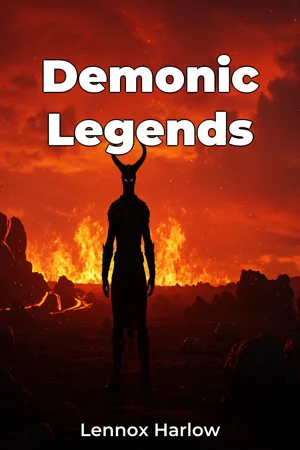
What if the figures haunting our nightmares and shaping our spiritual beliefs for millennia are more complex than simple embodiments of evil? "Demonic Legends" delves into the multifaceted world of demons, exploring their intricate roles in religious teachings and spiritual traditions across diverse cultures. This book is vital because understanding these entities sheds light on the human condition, our fears, and our enduring quest to comprehend the forces beyond our control. This exploration demands contextualization. We begin by examining the historical and social environments that birthed these demonic narratives. From ancient Mesopotamia to modern-day interpretations, tracing the evolution of these figures reveals shifting societal anxieties and moral frameworks. The book assumes that the reader has a basic understanding of major world religions. "Demonic Legends" argues that demons are not merely agents of chaos but serve as symbolic representations of internal struggles, societal fears, and the darker aspects of the human psyche. Their persistent presence in religious and spiritual thought points to a fundamental human need to grapple with the shadow self and to define the boundaries between good and evil. The book's structure is designed to systematically unpack this argument. First, it introduces core concepts of demonology, differentiating between various types of demonic entities and their associated powers, according to different religions. Second, it examines demons’ roles in major world religions, including Christianity, Judaism, Islam, Hinduism, and Buddhism. Third, it analyzes the cultural impact of demons in art, literature, and folklore. Finally, it addresses the modern interpretations of demons, including their psychological and symbolic meanings. The analysis relies on a wide array of sources, including religious texts, historical documents, folklore collections, and contemporary psychological studies. It draws upon original translations of ancient texts and incorporates comparative analyses of different cultural perspectives. The study of demons intersects with fields such as anthropology, psychology, and comparative religion. Anthropological perspectives help us understand how different cultures construct and interact with demonic entities. Psychological theories provide insights into the psychological functions that they fulfill, such as projecting suppressed desires or fears. Comparative religious studies offer a framework for understanding the common themes and variations in demonology across different belief systems. This book offers a unique perspective by examining demons not as literal beings but as cultural constructs that reflect and shape human values and beliefs. It challenges simplistic notions of good versus evil and encourages a nuanced understanding of the complex interplay between light and darkness in the human experience. The tone is academic yet accessible, aiming to engage both scholars and general readers interested in religion, mythology, and cultural studies. The book is intended for readers interested in learning about the role of demons in various religions and understanding their significance in shaping human culture and psychology. It suits those interested in comparative religion, mythology, folklore, and the history of ideas. As a work of non-fiction exploring religion and spirituality, this book adheres to standards of academic rigor, presenting verifiable information and credible sources. Its scope is limited to the analysis of demons within religious and spiritual contexts, excluding paranormal investigations or personal encounters. Understanding demonic legends has real-world applications in fields such as psychology, religious studies, and cultural analysis. It can inform therapeutic approaches to dealing with fear and anxiety, enrich interfaith dialogues, and enhance our understanding of cultural narratives. The book acknowledges that the topic of demons is fraught with controversy, ranging from debates about their literal existence to conflicting interpretations of their roles in different religious traditions. It addresses these controversies by presenting diverse perspectives and encouraging critical thinking.
What if the figures haunting our nightmares and shaping our spiritual beliefs for millennia are more complex than simple embodiments of evil? "Demonic Legends" delves into the multifaceted world of demons, exploring their intricate roles in religious teachings and spiritual traditions across diverse cultures. This book is vital because understanding these entities sheds light on the human condition, our fears, and our enduring quest to comprehend the forces beyond our control. This exploration demands contextualization. We begin by examining the historical and social environments that birthed these demonic narratives. From ancient Mesopotamia to modern-day interpretations, tracing the evolution of these figures reveals shifting societal anxieties and moral frameworks. The book assumes that the reader has a basic understanding of major world religions. "Demonic Legends" argues that demons are not merely agents of chaos but serve as symbolic representations of internal struggles, societal fears, and the darker aspects of the human psyche. Their persistent presence in religious and spiritual thought points to a fundamental human need to grapple with the shadow self and to define the boundaries between good and evil. The book's structure is designed to systematically unpack this argument. First, it introduces core concepts of demonology, differentiating between various types of demonic entities and their associated powers, according to different religions. Second, it examines demons’ roles in major world religions, including Christianity, Judaism, Islam, Hinduism, and Buddhism. Third, it analyzes the cultural impact of demons in art, literature, and folklore. Finally, it addresses the modern interpretations of demons, including their psychological and symbolic meanings. The analysis relies on a wide array of sources, including religious texts, historical documents, folklore collections, and contemporary psychological studies. It draws upon original translations of ancient texts and incorporates comparative analyses of different cultural perspectives. The study of demons intersects with fields such as anthropology, psychology, and comparative religion. Anthropological perspectives help us understand how different cultures construct and interact with demonic entities. Psychological theories provide insights into the psychological functions that they fulfill, such as projecting suppressed desires or fears. Comparative religious studies offer a framework for understanding the common themes and variations in demonology across different belief systems. This book offers a unique perspective by examining demons not as literal beings but as cultural constructs that reflect and shape human values and beliefs. It challenges simplistic notions of good versus evil and encourages a nuanced understanding of the complex interplay between light and darkness in the human experience. The tone is academic yet accessible, aiming to engage both scholars and general readers interested in religion, mythology, and cultural studies. The book is intended for readers interested in learning about the role of demons in various religions and understanding their significance in shaping human culture and psychology. It suits those interested in comparative religion, mythology, folklore, and the history of ideas. As a work of non-fiction exploring religion and spirituality, this book adheres to standards of academic rigor, presenting verifiable information and credible sources. Its scope is limited to the analysis of demons within religious and spiritual contexts, excluding paranormal investigations or personal encounters. Understanding demonic legends has real-world applications in fields such as psychology, religious studies, and cultural analysis. It can inform therapeutic approaches to dealing with fear and anxiety, enrich interfaith dialogues, and enhance our understanding of cultural narratives. The book acknowledges that the topic of demons is fraught with controversy, ranging from debates about their literal existence to conflicting interpretations of their roles in different religious traditions. It addresses these controversies by presenting diverse perspectives and encouraging critical thinking.
"Demonic Legends" explores the complex roles of demons within religious teachings and spiritual traditions across cultures, suggesting these figures are not merely evil but symbolic representations of internal struggles and societal fears. This book delves into how understanding demons can illuminate the human condition and our quest to comprehend the forces beyond our control. Intriguingly, demons have served as representations of the darker aspects of the human psyche, and their presence in religious thought highlights a fundamental human need to grapple with the shadow self. The book approaches this topic by examining the historical and social environments that shaped demonic narratives, tracing their evolution from ancient Mesopotamia to modern interpretations. It differentiates various types of demonic entities and their associated powers. Then the book analyzes their roles in major world religions, including Christianity, Judaism, Islam, Hinduism, and Buddhism. The study also considers the cultural impact of demons in art, literature, and folklore, before addressing modern psychological and symbolic interpretations. This comparative religion approach offers a unique perspective, viewing demons as cultural constructs that reflect and shape human values and spiritual beliefs, encouraging a nuanced understanding of the interplay between light and darkness.
Book Details
ISBN
9788235222060
Publisher
Publifye AS
Your Licenses
You don't own any licenses for this book
Purchase a license below to unlock this book and download the EPUB.
Purchase License
Select a tier to unlock this book
Need bulk licensing?
Contact us for enterprise agreements.