
About This Book
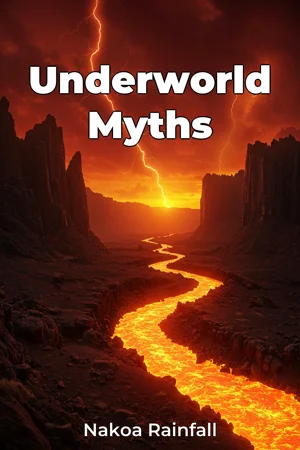
Have you ever pondered what lies beyond the veil of death, or how different societies have grappled with the concept of the afterlife? "Underworld Myths" embarks on a journey through the diverse and fascinating visions of hell, the afterlife, and underworld realms as depicted in world literature and mythology. This book explores not only the rich tapestry of beliefs surrounding death but also the profound impact these beliefs have had on shaping cultures, moral codes, and artistic expression. Two key topics anchor this exploration: the structural similarities and differences across diverse underworld mythologies, and the evolution of these myths in response to social, political, and philosophical changes. Understanding these topics is crucial because they illuminate the fundamental human need to make sense of mortality and to project our hopes and fears onto the unknown. These myths, far from being mere stories, are powerful reflections of our deepest values and anxieties. To fully appreciate the nuances of these underworld myths, we provide historical and religious context. We will examine the socio-political climates that fostered these beliefs, tracing their development from ancient civilizations to modern interpretations. A basic understanding of comparative mythology and religious studies will enhance the reader’s engagement with the material, though no prior expertise is required. The central argument of "Underworld Myths" is that depictions of the afterlife, hell, and the underworld serve as cultural mirrors, reflecting the values, fears, and societal structures of the civilizations that created them. By comparing and contrasting these diverse visions, we can gain a deeper understanding not only of the cultures themselves but also of the universal human condition. The book is structured in four main parts. First, we introduce the core concepts of underworld mythology, examining the archetypal figures, landscapes, and narratives that recur across cultures. Second, we delve into specific examples, dedicating chapters to the Egyptian Duat, the Greek Hades, Norse Hel, and other significant underworlds from around the world. These chapters analyze the unique characteristics of each realm and their roles within their respective mythologies. Third, we examine the evolution and syncretism of these myths, exploring how they have been adapted and reinterpreted over time, influenced by factors like colonization, religious conversion, and artistic expression. Finally, we discuss the enduring influence of underworld myths in contemporary society, demonstrating their continued presence in literature, art, film, and popular culture. This book draws upon a wide range of primary sources, including original texts of myths, religious scriptures, and archaeological findings. We also incorporate insights from secondary sources in anthropology, religious studies, and comparative literature. Our methodology involves careful textual analysis, comparative study, and historical contextualization. "Underworld Myths" connects to several other fields, including psychology (exploring the psychological roots of death anxiety and the need for meaning-making), sociology (examining the role of religion and mythology in shaping social norms and values), and art history (analyzing the visual representations of the underworld across different cultures and time periods). These interdisciplinary connections enrich our understanding of the multifaceted nature of underworld mythology. This book offers a unique perspective by focusing on a comparative analysis of underworld myths from a global standpoint, highlighting both their common themes and their distinctive cultural variations. We move beyond a simple cataloging of different beliefs to explore the underlying psychological and societal factors that shape our visions of the afterlife. The tone of the book is academic yet accessible, aiming to engage both scholars and general readers with its clear and engaging prose. The target audience includes students of mythology, religion, history, and literature, as well as anyone interested in exploring the human fascination with death and the afterlife. This book offers a comprehensive and thought-provoking overview of a topic that has captivated humanity for millennia. As a work of non-fiction in the genres of history and religion, "Underworld Myths" aims to present a factual and objective account of different beliefs, avoiding speculative or unsubstantiated claims. While the book covers a broad range of cultures and time periods, it is not an exhaustive encyclopedia of every underworld myth ever conceived. Instead, it focuses on the most significant and representative examples, providing a framework for understanding the broader themes and patterns. The insights gained from "Underworld Myths" can be applied to a variety of real-world contexts, from understanding cultural differences to appreciating the psychological impact of death and grief. By examining how different societies have confronted the mysteries of the afterlife, we can gain a greater appreciation for the diversity of human experience and the enduring power of storytelling. While this book is not intended to be argumentative, it engages with ongoing debates in the field of religious studies regarding the interpretation and significance of mythological narratives. We acknowledge the complexities and ambiguities inherent in the study of ancient beliefs and strive to present a balanced and nuanced perspective.
Have you ever pondered what lies beyond the veil of death, or how different societies have grappled with the concept of the afterlife? "Underworld Myths" embarks on a journey through the diverse and fascinating visions of hell, the afterlife, and underworld realms as depicted in world literature and mythology. This book explores not only the rich tapestry of beliefs surrounding death but also the profound impact these beliefs have had on shaping cultures, moral codes, and artistic expression. Two key topics anchor this exploration: the structural similarities and differences across diverse underworld mythologies, and the evolution of these myths in response to social, political, and philosophical changes. Understanding these topics is crucial because they illuminate the fundamental human need to make sense of mortality and to project our hopes and fears onto the unknown. These myths, far from being mere stories, are powerful reflections of our deepest values and anxieties. To fully appreciate the nuances of these underworld myths, we provide historical and religious context. We will examine the socio-political climates that fostered these beliefs, tracing their development from ancient civilizations to modern interpretations. A basic understanding of comparative mythology and religious studies will enhance the reader’s engagement with the material, though no prior expertise is required. The central argument of "Underworld Myths" is that depictions of the afterlife, hell, and the underworld serve as cultural mirrors, reflecting the values, fears, and societal structures of the civilizations that created them. By comparing and contrasting these diverse visions, we can gain a deeper understanding not only of the cultures themselves but also of the universal human condition. The book is structured in four main parts. First, we introduce the core concepts of underworld mythology, examining the archetypal figures, landscapes, and narratives that recur across cultures. Second, we delve into specific examples, dedicating chapters to the Egyptian Duat, the Greek Hades, Norse Hel, and other significant underworlds from around the world. These chapters analyze the unique characteristics of each realm and their roles within their respective mythologies. Third, we examine the evolution and syncretism of these myths, exploring how they have been adapted and reinterpreted over time, influenced by factors like colonization, religious conversion, and artistic expression. Finally, we discuss the enduring influence of underworld myths in contemporary society, demonstrating their continued presence in literature, art, film, and popular culture. This book draws upon a wide range of primary sources, including original texts of myths, religious scriptures, and archaeological findings. We also incorporate insights from secondary sources in anthropology, religious studies, and comparative literature. Our methodology involves careful textual analysis, comparative study, and historical contextualization. "Underworld Myths" connects to several other fields, including psychology (exploring the psychological roots of death anxiety and the need for meaning-making), sociology (examining the role of religion and mythology in shaping social norms and values), and art history (analyzing the visual representations of the underworld across different cultures and time periods). These interdisciplinary connections enrich our understanding of the multifaceted nature of underworld mythology. This book offers a unique perspective by focusing on a comparative analysis of underworld myths from a global standpoint, highlighting both their common themes and their distinctive cultural variations. We move beyond a simple cataloging of different beliefs to explore the underlying psychological and societal factors that shape our visions of the afterlife. The tone of the book is academic yet accessible, aiming to engage both scholars and general readers with its clear and engaging prose. The target audience includes students of mythology, religion, history, and literature, as well as anyone interested in exploring the human fascination with death and the afterlife. This book offers a comprehensive and thought-provoking overview of a topic that has captivated humanity for millennia. As a work of non-fiction in the genres of history and religion, "Underworld Myths" aims to present a factual and objective account of different beliefs, avoiding speculative or unsubstantiated claims. While the book covers a broad range of cultures and time periods, it is not an exhaustive encyclopedia of every underworld myth ever conceived. Instead, it focuses on the most significant and representative examples, providing a framework for understanding the broader themes and patterns. The insights gained from "Underworld Myths" can be applied to a variety of real-world contexts, from understanding cultural differences to appreciating the psychological impact of death and grief. By examining how different societies have confronted the mysteries of the afterlife, we can gain a greater appreciation for the diversity of human experience and the enduring power of storytelling. While this book is not intended to be argumentative, it engages with ongoing debates in the field of religious studies regarding the interpretation and significance of mythological narratives. We acknowledge the complexities and ambiguities inherent in the study of ancient beliefs and strive to present a balanced and nuanced perspective.
"Underworld Myths" explores the captivating realm of afterlife beliefs across cultures, examining how diverse societies have envisioned death and what lies beyond. This exploration into comparative mythology reveals that underworld depictions, such as the Egyptian Duat, the Greek Hades, and Norse Hel, often serve as cultural mirrors, reflecting a society's values, fears, and social structures. Understanding these myths provides insights into the universal human need to make sense of mortality. The book approaches this topic by analyzing the structural similarities and differences between various underworld mythologies, and how these myths evolve over time. It traces the development of these beliefs from ancient civilizations to modern interpretations, examining the socio-political climates that fostered them. The book progresses by introducing core concepts, delving into specific examples, examining the evolution of these myths, and finally discussing their enduring influence in contemporary society.
Book Details
ISBN
9788235222008
Publisher
Publifye AS
Your Licenses
You don't own any licenses for this book
Purchase a license below to unlock this book and download the EPUB.
Purchase License
Select a tier to unlock this book
Need bulk licensing?
Contact us for enterprise agreements.