
About This Book
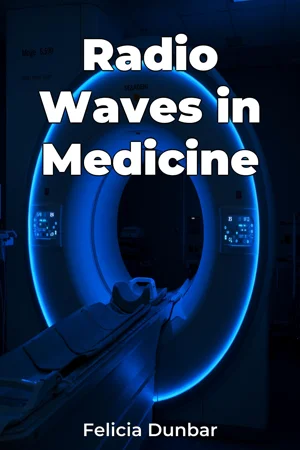
Did you know that the same radio waves that broadcast your favorite music are also crucial tools in modern medicine, allowing doctors to peer inside the human body and diagnose illnesses with unprecedented accuracy? This book, "Radio Waves in Medicine," explores the fascinating intersection of physics and healthcare, illuminating how these ubiquitous waves are harnessed for medical diagnostics. It is a vital resource for understanding the technological advancements that are shaping contemporary medical practice. This book primarily focuses on three key areas: the fundamental physics of radio waves, the engineering behind medical imaging technologies, and the clinical applications of these technologies in diagnosing a range of diseases. Understanding the properties of radio waves – their frequency, wavelength, and interaction with matter – is foundational to grasping how they can be used to create detailed images of internal organs and tissues. The engineering aspects focus on the design and function of Magnetic Resonance Imaging (MRI) machines, including the generation of magnetic fields, the transmission and reception of radio waves, and the processing of signals into visual representations. Finally, the clinical applications demonstrate how MRI and related techniques are used to diagnose conditions affecting the brain, heart, musculoskeletal system, and other parts of the body. The use of radio waves in medicine is a relatively recent development, emerging largely in the latter half of the 20th century. It builds upon earlier imaging techniques like X-rays and ultrasound, offering improved resolution, contrast, and the ability to image soft tissues that are difficult to visualize with other methods. A basic understanding of physics and human anatomy is helpful, but not essential, for navigating the concepts presented in this book. The central argument of "Radio Waves in Medicine" is that the strategic application of radio wave technology has revolutionized medical diagnostics, leading to earlier and more accurate diagnoses, improved treatment planning, and ultimately, better patient outcomes. This book will demonstrate how these technologies are not merely tools, but essential components of modern healthcare. The book is structured to guide the reader through a logical progression of topics. It begins with an introduction to the basic physics of radio waves and their interaction with biological tissues. It then moves into a detailed explanation of MRI, covering the principles of nuclear magnetic resonance, the components of an MRI machine, and the various imaging techniques used in clinical practice. A significant portion of the book is dedicated to specific clinical applications, with chapters focusing on neuroimaging, cardiovascular imaging, and musculoskeletal imaging. The book culminates with a discussion of emerging trends in radio wave-based diagnostics, such as the development of new contrast agents and advanced imaging techniques. Finally, the book explores the ethical considerations surrounding the use of medical imaging and the potential risks and benefits for patients. The evidence and research presented in this book are based on peer-reviewed scientific literature, clinical studies, and technical specifications for medical imaging equipment. It draws upon data from leading medical research institutions and highlights innovative methodologies used to improve the accuracy and efficiency of radio wave-based diagnostics. This book connects to several other fields, including biomedical engineering, computer science, and materials science. Biomedical engineers play a crucial role in designing and improving medical imaging equipment. Computer scientists develop the algorithms used to process and analyze medical images. Materials scientists are involved in creating new contrast agents and improving the performance of MRI components. These interdisciplinary connections underscore the complex and collaborative nature of medical technology development. "Radio Waves in Medicine" provides a comprehensive overview of the field, synthesizing information from a variety of sources to present a clear and accessible explanation of complex concepts. The tone of the book is both informative and engaging, aiming to make complex scientific concepts understandable to a broad audience. The target audience includes medical students, residents, practicing physicians, biomedical engineers, and anyone interested in learning more about the role of radio waves in medicine. It is particularly valuable for those seeking a comprehensive and up-to-date resource on this rapidly evolving field. As a work of medical science, this book adheres to the conventions of rigorous accuracy, objectivity, and evidence-based reasoning. It avoids sensationalism and focuses on providing factual information supported by scientific research. The scope of the book is broad, covering the fundamental principles, technological advancements, and clinical applications of radio wave-based diagnostics. However, it is intentionally limited in its discussion of therapeutic applications, focusing primarily on diagnostic uses. The information in this book can be applied practically by readers in a variety of ways. Medical professionals can use it to improve their understanding of imaging techniques and enhance their diagnostic skills. Biomedical engineers can use it to inform their design and development work. Students can use it as a textbook or reference guide. Finally, the book addresses some of the ongoing debates in the field, such as the optimal use of contrast agents, the ethical considerations surrounding incidental findings on medical images, and the cost-effectiveness of different imaging modalities.
Did you know that the same radio waves that broadcast your favorite music are also crucial tools in modern medicine, allowing doctors to peer inside the human body and diagnose illnesses with unprecedented accuracy? This book, "Radio Waves in Medicine," explores the fascinating intersection of physics and healthcare, illuminating how these ubiquitous waves are harnessed for medical diagnostics. It is a vital resource for understanding the technological advancements that are shaping contemporary medical practice. This book primarily focuses on three key areas: the fundamental physics of radio waves, the engineering behind medical imaging technologies, and the clinical applications of these technologies in diagnosing a range of diseases. Understanding the properties of radio waves – their frequency, wavelength, and interaction with matter – is foundational to grasping how they can be used to create detailed images of internal organs and tissues. The engineering aspects focus on the design and function of Magnetic Resonance Imaging (MRI) machines, including the generation of magnetic fields, the transmission and reception of radio waves, and the processing of signals into visual representations. Finally, the clinical applications demonstrate how MRI and related techniques are used to diagnose conditions affecting the brain, heart, musculoskeletal system, and other parts of the body. The use of radio waves in medicine is a relatively recent development, emerging largely in the latter half of the 20th century. It builds upon earlier imaging techniques like X-rays and ultrasound, offering improved resolution, contrast, and the ability to image soft tissues that are difficult to visualize with other methods. A basic understanding of physics and human anatomy is helpful, but not essential, for navigating the concepts presented in this book. The central argument of "Radio Waves in Medicine" is that the strategic application of radio wave technology has revolutionized medical diagnostics, leading to earlier and more accurate diagnoses, improved treatment planning, and ultimately, better patient outcomes. This book will demonstrate how these technologies are not merely tools, but essential components of modern healthcare. The book is structured to guide the reader through a logical progression of topics. It begins with an introduction to the basic physics of radio waves and their interaction with biological tissues. It then moves into a detailed explanation of MRI, covering the principles of nuclear magnetic resonance, the components of an MRI machine, and the various imaging techniques used in clinical practice. A significant portion of the book is dedicated to specific clinical applications, with chapters focusing on neuroimaging, cardiovascular imaging, and musculoskeletal imaging. The book culminates with a discussion of emerging trends in radio wave-based diagnostics, such as the development of new contrast agents and advanced imaging techniques. Finally, the book explores the ethical considerations surrounding the use of medical imaging and the potential risks and benefits for patients. The evidence and research presented in this book are based on peer-reviewed scientific literature, clinical studies, and technical specifications for medical imaging equipment. It draws upon data from leading medical research institutions and highlights innovative methodologies used to improve the accuracy and efficiency of radio wave-based diagnostics. This book connects to several other fields, including biomedical engineering, computer science, and materials science. Biomedical engineers play a crucial role in designing and improving medical imaging equipment. Computer scientists develop the algorithms used to process and analyze medical images. Materials scientists are involved in creating new contrast agents and improving the performance of MRI components. These interdisciplinary connections underscore the complex and collaborative nature of medical technology development. "Radio Waves in Medicine" provides a comprehensive overview of the field, synthesizing information from a variety of sources to present a clear and accessible explanation of complex concepts. The tone of the book is both informative and engaging, aiming to make complex scientific concepts understandable to a broad audience. The target audience includes medical students, residents, practicing physicians, biomedical engineers, and anyone interested in learning more about the role of radio waves in medicine. It is particularly valuable for those seeking a comprehensive and up-to-date resource on this rapidly evolving field. As a work of medical science, this book adheres to the conventions of rigorous accuracy, objectivity, and evidence-based reasoning. It avoids sensationalism and focuses on providing factual information supported by scientific research. The scope of the book is broad, covering the fundamental principles, technological advancements, and clinical applications of radio wave-based diagnostics. However, it is intentionally limited in its discussion of therapeutic applications, focusing primarily on diagnostic uses. The information in this book can be applied practically by readers in a variety of ways. Medical professionals can use it to improve their understanding of imaging techniques and enhance their diagnostic skills. Biomedical engineers can use it to inform their design and development work. Students can use it as a textbook or reference guide. Finally, the book addresses some of the ongoing debates in the field, such as the optimal use of contrast agents, the ethical considerations surrounding incidental findings on medical images, and the cost-effectiveness of different imaging modalities.
"Radio Waves in Medicine" reveals the pivotal role of radio waves in modern medical diagnostics, allowing unparalleled views inside the human body. These waves, characterized by their frequency and wavelength, are the backbone of crucial technologies like Magnetic Resonance Imaging (MRI). MRI offers superior resolution and contrast compared to older methods like X-rays, especially for soft tissues. The book explores the physics of radio waves, the engineering of MRI machines, and their clinical applications across various diseases. It highlights how radio wave technology facilitates earlier and more accurate diagnoses, ultimately improving patient care. Progressing logically, the book begins with the basics of radio waves and delves into MRI principles, neuroimaging, cardiovascular imaging, and musculoskeletal imaging, culminating in discussions of emerging trends and ethical considerations. This resource is particularly valuable for medical students, physicians, and biomedical engineers seeking a current understanding of this rapidly advancing field. By integrating scientific literature, clinical studies, and technical specifications, "Radio Waves in Medicine" presents complex concepts in an accessible manner, emphasizing the revolution this technology has brought to healthcare.
Book Details
ISBN
9788235221988
Publisher
Publifye AS
Your Licenses
You don't own any licenses for this book
Purchase a license below to unlock this book and download the EPUB.
Purchase License
Select a tier to unlock this book
Need bulk licensing?
Contact us for enterprise agreements.