
About This Book
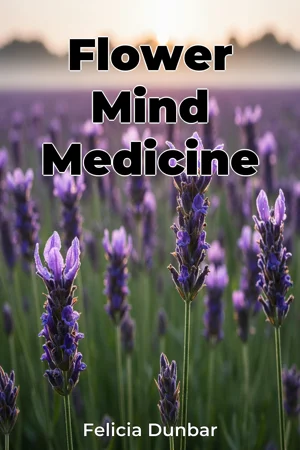
Can the delicate petals of a flower hold the key to unlocking neurological well-being? "Flower Mind Medicine" explores the burgeoning field of medicinal flowers and their potential to positively impact brain health. This book delves into the scientific evidence supporting the use of specific floral remedies to alleviate symptoms of neurological disorders, enhance cognitive function, and promote overall mental wellness. This work is significant because of the increasing interest in natural and holistic approaches to healthcare, coupled with ongoing research unveiling the complex biochemical properties of various flowers. It addresses a crucial gap in understanding how traditional botanical knowledge intersects with modern neuroscience. As the global population ages and neurological conditions become more prevalent, exploring alternative and complementary therapies becomes increasingly important. The content is presented against a backdrop of both historical and contemporary research. Historically, many cultures have incorporated flowers into their medicinal practices. Modern scientific inquiry has begun to validate some of these traditional uses, identifying specific compounds within flowers that interact with the nervous system. A basic understanding of neurochemistry and plant biology will be helpful, though not essential, for readers. The central argument of "Flower Mind Medicine" is that certain flowers possess demonstrable neuroprotective and neuroenhancing properties that can be harnessed for therapeutic benefit. This argument is crucial because it shifts the perspective from solely relying on synthetic pharmaceuticals toward considering plant-based alternatives with potentially fewer side effects and a more holistic impact on well-being. The book is structured logically, beginning with an introduction to the fundamental concepts of neuropharmacology and phytochemistry. It outlines how specific compounds in flowers, such as flavonoids, terpenes, and alkaloids, can interact with neurotransmitter systems and influence neuronal activity. The core of the book is organized into chapters focusing on specific categories of medicinal flowers and their neurological applications. Major sections include: (1) Flowers for Cognitive Enhancement: covering plants like rosemary and ginkgo biloba (though technically a tree, its flowers are essential to its medicinal properties), examining their effects on memory, focus, and learning. (2) Flowers for Mood Regulation: investigating flowers, such as lavender and chamomile, known for their anxiolytic and antidepressant properties, supported by clinical trials and neuroimaging studies. (3) Flowers for Neuroprotection: highlighting flowers with antioxidant and anti-inflammatory compounds, potentially beneficial in preventing or slowing neurodegenerative diseases, such as Alzheimer's and Parkinson's. The discussion culminates in a chapter that synthesizes the presented evidence, discussing the potential benefits and limitations of using medicinal flowers in neurological healthcare. It also explores responsible sourcing and ethical considerations for sustainable harvesting practices. Practical applications are discussed for integrating floral remedies into lifestyle and wellness routines. Supporting the arguments presented are data derived from scientific studies, including clinical trials, in vitro experiments, and animal models. The book references peer-reviewed journal articles, meta-analyses, and reputable botanical databases to provide a comprehensive and evidence-based overview. "Flower Mind Medicine" draws connections to several interdisciplinary fields, including: (a) Ethnobotany: exploring the traditional uses of flowers in different cultures and their relevance to modern applications. (b) Pharmacology: analyzing the mechanisms of action of floral compounds on the nervous system. (c) Psychology: examining the impact of floral scents and compounds on mood, cognition, and behavior. The book offers a unique approach by integrating both traditional knowledge and modern scientific research to provide a balanced and nuanced perspective on the therapeutic potential of flowers. It emphasizes the importance of rigorous scientific investigation while acknowledging the rich history and cultural significance of floral remedies. The tone is informative and accessible, aiming to bridge the gap between scientific jargon and practical understanding. The writing style is clear, concise, and engaging, designed for both healthcare professionals and general readers interested in natural health solutions. The target audience includes healthcare practitioners (such as neurologists, psychiatrists, and therapists), researchers in the fields of neuroscience and botany, and individuals seeking natural and holistic approaches to improving their neurological health. Aligned with the Health & Fitness and Medical General genres, this book prioritizes evidence-based information, clear explanations, and practical guidance. It refrains from making unsubstantiated claims and focuses on presenting a balanced perspective. The scope is intentionally limited to flowers with demonstrable neurological benefits, excluding other plant parts or those with anecdotal evidence but lacking robust scientific support. Readers can incorporate the knowledge from this book into their lives by using floral aromatherapy, herbal teas, or dietary supplements under the guidance of a healthcare professional. While research in this field is promising, the book acknowledges ongoing controversies and debates regarding dosage, efficacy, and potential interactions with conventional medications. It encourages a cautious and informed approach to using medicinal flowers and emphasizes the importance of consulting with a qualified healthcare provider.
Can the delicate petals of a flower hold the key to unlocking neurological well-being? "Flower Mind Medicine" explores the burgeoning field of medicinal flowers and their potential to positively impact brain health. This book delves into the scientific evidence supporting the use of specific floral remedies to alleviate symptoms of neurological disorders, enhance cognitive function, and promote overall mental wellness. This work is significant because of the increasing interest in natural and holistic approaches to healthcare, coupled with ongoing research unveiling the complex biochemical properties of various flowers. It addresses a crucial gap in understanding how traditional botanical knowledge intersects with modern neuroscience. As the global population ages and neurological conditions become more prevalent, exploring alternative and complementary therapies becomes increasingly important. The content is presented against a backdrop of both historical and contemporary research. Historically, many cultures have incorporated flowers into their medicinal practices. Modern scientific inquiry has begun to validate some of these traditional uses, identifying specific compounds within flowers that interact with the nervous system. A basic understanding of neurochemistry and plant biology will be helpful, though not essential, for readers. The central argument of "Flower Mind Medicine" is that certain flowers possess demonstrable neuroprotective and neuroenhancing properties that can be harnessed for therapeutic benefit. This argument is crucial because it shifts the perspective from solely relying on synthetic pharmaceuticals toward considering plant-based alternatives with potentially fewer side effects and a more holistic impact on well-being. The book is structured logically, beginning with an introduction to the fundamental concepts of neuropharmacology and phytochemistry. It outlines how specific compounds in flowers, such as flavonoids, terpenes, and alkaloids, can interact with neurotransmitter systems and influence neuronal activity. The core of the book is organized into chapters focusing on specific categories of medicinal flowers and their neurological applications. Major sections include: (1) Flowers for Cognitive Enhancement: covering plants like rosemary and ginkgo biloba (though technically a tree, its flowers are essential to its medicinal properties), examining their effects on memory, focus, and learning. (2) Flowers for Mood Regulation: investigating flowers, such as lavender and chamomile, known for their anxiolytic and antidepressant properties, supported by clinical trials and neuroimaging studies. (3) Flowers for Neuroprotection: highlighting flowers with antioxidant and anti-inflammatory compounds, potentially beneficial in preventing or slowing neurodegenerative diseases, such as Alzheimer's and Parkinson's. The discussion culminates in a chapter that synthesizes the presented evidence, discussing the potential benefits and limitations of using medicinal flowers in neurological healthcare. It also explores responsible sourcing and ethical considerations for sustainable harvesting practices. Practical applications are discussed for integrating floral remedies into lifestyle and wellness routines. Supporting the arguments presented are data derived from scientific studies, including clinical trials, in vitro experiments, and animal models. The book references peer-reviewed journal articles, meta-analyses, and reputable botanical databases to provide a comprehensive and evidence-based overview. "Flower Mind Medicine" draws connections to several interdisciplinary fields, including: (a) Ethnobotany: exploring the traditional uses of flowers in different cultures and their relevance to modern applications. (b) Pharmacology: analyzing the mechanisms of action of floral compounds on the nervous system. (c) Psychology: examining the impact of floral scents and compounds on mood, cognition, and behavior. The book offers a unique approach by integrating both traditional knowledge and modern scientific research to provide a balanced and nuanced perspective on the therapeutic potential of flowers. It emphasizes the importance of rigorous scientific investigation while acknowledging the rich history and cultural significance of floral remedies. The tone is informative and accessible, aiming to bridge the gap between scientific jargon and practical understanding. The writing style is clear, concise, and engaging, designed for both healthcare professionals and general readers interested in natural health solutions. The target audience includes healthcare practitioners (such as neurologists, psychiatrists, and therapists), researchers in the fields of neuroscience and botany, and individuals seeking natural and holistic approaches to improving their neurological health. Aligned with the Health & Fitness and Medical General genres, this book prioritizes evidence-based information, clear explanations, and practical guidance. It refrains from making unsubstantiated claims and focuses on presenting a balanced perspective. The scope is intentionally limited to flowers with demonstrable neurological benefits, excluding other plant parts or those with anecdotal evidence but lacking robust scientific support. Readers can incorporate the knowledge from this book into their lives by using floral aromatherapy, herbal teas, or dietary supplements under the guidance of a healthcare professional. While research in this field is promising, the book acknowledges ongoing controversies and debates regarding dosage, efficacy, and potential interactions with conventional medications. It encourages a cautious and informed approach to using medicinal flowers and emphasizes the importance of consulting with a qualified healthcare provider.
"Flower Mind Medicine" explores the exciting potential of medicinal flowers to enhance neurological well-being, bridging traditional botanical knowledge with modern neuroscience. It delves into how specific floral remedies may alleviate symptoms of neurological disorders and boost cognitive function. Intriguingly, certain flowers contain compounds like flavonoids and terpenes, which interact with neurotransmitter systems, influencing neuronal activity, and potentially offering neuroprotective benefits. The book progresses logically, starting with neuropharmacology and phytochemistry foundations, then moving to specific flower categories. These include flowers known for cognitive enhancement, such as rosemary, those for mood regulation, like lavender, and those offering neuroprotection. Supported by scientific studies, this work presents a balanced perspective, acknowledging the importance of evidence-based information while exploring the historical uses of flowers in medicine. It's a valuable resource for those interested in natural approaches to brain health.
Book Details
ISBN
9788235221940
Publisher
Publifye AS
Your Licenses
You don't own any licenses for this book
Purchase a license below to unlock this book and download the EPUB.
Purchase License
Select a tier to unlock this book
Need bulk licensing?
Contact us for enterprise agreements.