
About This Book
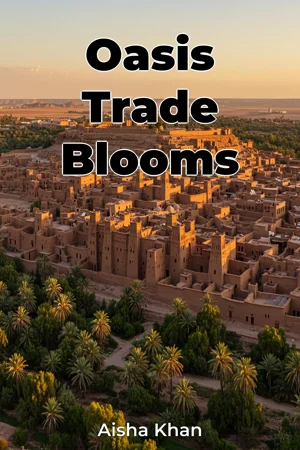
How did isolated desert communities transform into vital nodes of a vast trading network capable of shaping North African societies? "Oasis Trade Blooms: Berber Commerce Expanding in Urban Hubs" explores the dynamic expansion of Berber commerce throughout the pre-modern and early modern periods, focusing on its impact on the development of urban centers and the broader socio-economic landscape. This book examines the crucial role Berber merchants played in connecting disparate regions, facilitating the exchange of goods, and fostering cultural interactions across the Sahara and beyond. The central argument posits that Berber commercial networks were not merely conduits for trade, but active agents in the urbanization process, contributing significantly to the economic and social complexity of North African cities. The book delves into three primary topics: firstly, the historical evolution of Berber trade routes and networks, tracing their origins in localized exchange systems to their maturation into complex, long-distance commercial arteries. Secondly, it analyzes the organizational structures and business practices employed by Berber merchants, including caravan management, credit systems, and risk mitigation strategies. Thirdly, it examines the reciprocal relationship between Berber commerce and urban development, highlighting how trade stimulated urban growth while urban centers, in turn, provided essential infrastructure and markets for Berber merchants. Understanding this transformation requires familiarity with the geography of North Africa, the historical context of Islamic empires, and the diverse Berber cultures inhabiting the region. The book opens by establishing this context, outlining pre-Islamic trade patterns and the subsequent integration of Berber communities into trans-Saharan and Mediterranean economic systems after the Islamic conquests. "Oasis Trade Blooms" is structured to provide a comprehensive understanding of Berber commercial expansion. The first section introduces the geographical and historical context, examining pre-Islamic trade routes and the initial incorporation of Berber communities into wider trading networks. The subsequent chapters explore the development of key Berber trading centers, such as Sijilmasa and Ghadames, analyzing their roles as hubs for trans-Saharan commerce. The book then investigates the organizational structures and business strategies of Berber merchants, focusing on caravan organization, credit systems, and the management of risk in a volatile environment. Finally, it examines the profound impact of Berber commerce on the social and economic fabric of North African cities, highlighting the emergence of merchant elites, the growth of specialized industries, and the cultural exchanges facilitated by trade. The arguments presented are supported by a variety of historical sources, including Arabic chronicles, travel literature, legal documents, and archaeological findings. Special emphasis is placed on analyzing previously underutilized sources, such as caravan contracts and merchant correspondence, to provide a more granular understanding of Berber business practices. The book also utilizes quantitative data, where available, to analyze trade volumes, commodity prices, and urban population growth. This study connects to several other disciplines, including economic history, urban studies, and anthropology. By examining the economic activities of Berber communities, the book contributes to our understanding of pre-modern economic systems and the role of trade in shaping social structures. Its focus on urban development intersects with urban studies, offering insights into the factors that promote urban growth and the relationship between cities and their hinterlands. Finally, by exploring the cultural interactions facilitated by trade, the book contributes to anthropological research on cultural exchange and identity formation. "Oasis Trade Blooms" takes a novel approach by combining detailed micro-level analysis of Berber business practices with a broader macro-level perspective on the impact of commerce on urban development. This integrated approach allows for a more nuanced understanding of the complex interplay between trade, urbanization, and social change. The book is written in a clear and accessible style, aimed at both academic and general readers interested in the history of North Africa, the dynamics of pre-modern trade, and the development of urban centers. It will be of particular interest to students and scholars of history, economics, and anthropology, as well as anyone seeking a deeper understanding of the historical roots of contemporary North African societies. As a work of historical and business non-fiction, "Oasis Trade Blooms" adheres to rigorous standards of evidence and argumentation. The book identifies existing debates surrounding the scale and impact of trans-Saharan trade. It acknowledges the challenges of reconstructing trade networks from limited historical sources. While the book focuses primarily on Berber commerce, it acknowledges the contributions of other ethnic and social groups to the trans-Saharan trade system. The insights presented have real-world applications for understanding contemporary challenges related to economic development, regional integration, and cultural exchange. By examining the historical dynamics of trade and urbanization, the book offers valuable lessons for policymakers and development practitioners seeking to promote sustainable economic growth and social cohesion in North Africa and other regions.
How did isolated desert communities transform into vital nodes of a vast trading network capable of shaping North African societies? "Oasis Trade Blooms: Berber Commerce Expanding in Urban Hubs" explores the dynamic expansion of Berber commerce throughout the pre-modern and early modern periods, focusing on its impact on the development of urban centers and the broader socio-economic landscape. This book examines the crucial role Berber merchants played in connecting disparate regions, facilitating the exchange of goods, and fostering cultural interactions across the Sahara and beyond. The central argument posits that Berber commercial networks were not merely conduits for trade, but active agents in the urbanization process, contributing significantly to the economic and social complexity of North African cities. The book delves into three primary topics: firstly, the historical evolution of Berber trade routes and networks, tracing their origins in localized exchange systems to their maturation into complex, long-distance commercial arteries. Secondly, it analyzes the organizational structures and business practices employed by Berber merchants, including caravan management, credit systems, and risk mitigation strategies. Thirdly, it examines the reciprocal relationship between Berber commerce and urban development, highlighting how trade stimulated urban growth while urban centers, in turn, provided essential infrastructure and markets for Berber merchants. Understanding this transformation requires familiarity with the geography of North Africa, the historical context of Islamic empires, and the diverse Berber cultures inhabiting the region. The book opens by establishing this context, outlining pre-Islamic trade patterns and the subsequent integration of Berber communities into trans-Saharan and Mediterranean economic systems after the Islamic conquests. "Oasis Trade Blooms" is structured to provide a comprehensive understanding of Berber commercial expansion. The first section introduces the geographical and historical context, examining pre-Islamic trade routes and the initial incorporation of Berber communities into wider trading networks. The subsequent chapters explore the development of key Berber trading centers, such as Sijilmasa and Ghadames, analyzing their roles as hubs for trans-Saharan commerce. The book then investigates the organizational structures and business strategies of Berber merchants, focusing on caravan organization, credit systems, and the management of risk in a volatile environment. Finally, it examines the profound impact of Berber commerce on the social and economic fabric of North African cities, highlighting the emergence of merchant elites, the growth of specialized industries, and the cultural exchanges facilitated by trade. The arguments presented are supported by a variety of historical sources, including Arabic chronicles, travel literature, legal documents, and archaeological findings. Special emphasis is placed on analyzing previously underutilized sources, such as caravan contracts and merchant correspondence, to provide a more granular understanding of Berber business practices. The book also utilizes quantitative data, where available, to analyze trade volumes, commodity prices, and urban population growth. This study connects to several other disciplines, including economic history, urban studies, and anthropology. By examining the economic activities of Berber communities, the book contributes to our understanding of pre-modern economic systems and the role of trade in shaping social structures. Its focus on urban development intersects with urban studies, offering insights into the factors that promote urban growth and the relationship between cities and their hinterlands. Finally, by exploring the cultural interactions facilitated by trade, the book contributes to anthropological research on cultural exchange and identity formation. "Oasis Trade Blooms" takes a novel approach by combining detailed micro-level analysis of Berber business practices with a broader macro-level perspective on the impact of commerce on urban development. This integrated approach allows for a more nuanced understanding of the complex interplay between trade, urbanization, and social change. The book is written in a clear and accessible style, aimed at both academic and general readers interested in the history of North Africa, the dynamics of pre-modern trade, and the development of urban centers. It will be of particular interest to students and scholars of history, economics, and anthropology, as well as anyone seeking a deeper understanding of the historical roots of contemporary North African societies. As a work of historical and business non-fiction, "Oasis Trade Blooms" adheres to rigorous standards of evidence and argumentation. The book identifies existing debates surrounding the scale and impact of trans-Saharan trade. It acknowledges the challenges of reconstructing trade networks from limited historical sources. While the book focuses primarily on Berber commerce, it acknowledges the contributions of other ethnic and social groups to the trans-Saharan trade system. The insights presented have real-world applications for understanding contemporary challenges related to economic development, regional integration, and cultural exchange. By examining the historical dynamics of trade and urbanization, the book offers valuable lessons for policymakers and development practitioners seeking to promote sustainable economic growth and social cohesion in North Africa and other regions.
"Oasis Trade Blooms: Berber Commerce Expanding in Urban Hubs" explores the pivotal role of Berber merchants in shaping North African societies through pre-modern trade. It argues that Berber commercial networks were instrumental in transforming isolated desert communities into thriving urban hubs by facilitating the exchange of goods and fostering cultural interactions across the Sahara. The book reveals how these networks, far from being mere conduits, actively spurred urbanization and contributed to the economic complexity of the region. The study delves into the evolution of Berber trade routes, the organizational structures employed by merchants, and the reciprocal relationship between commerce and urban development. For instance, Berber merchants developed sophisticated caravan management and credit systems to mitigate risks in the volatile trade environment. By examining historical sources like caravan contracts and merchant correspondence, the book provides a granular view of business practices. Quantitative data is also used to analyze trade volumes and urban growth. The book progresses from introducing the geographical and historical context to exploring key trading centers like Sijilmasa, then investigates Berber business strategies, and concludes by examining the impact of commerce on North African cities. This approach provides a comprehensive understanding of Berber commercial expansion, making it valuable for anyone interested in business history, pre-modern economic systems, and the development of urban centers.
Book Details
ISBN
9788235221865
Publisher
Publifye AS
Your Licenses
You don't own any licenses for this book
Purchase a license below to unlock this book and download the EPUB.
Purchase License
Select a tier to unlock this book
Need bulk licensing?
Contact us for enterprise agreements.