
About This Book
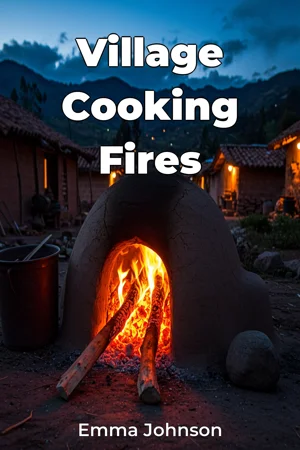
Have you ever considered the profound impact of something as simple as a cooking fire? "Village Cooking Fires" delves into the heart of traditional open-flame cooking methods across diverse rural communities worldwide, exploring how this practice intersects with history, culture, and daily life. This book examines the fundamental role that cooking fires play in shaping social structures, preserving culinary heritage, and influencing the ecological landscape. This book is structured around several key themes. First, it highlights the diverse techniques and tools used in open-flame cooking, ranging from simple hearths to intricate earthen ovens, examining how these methods vary across geographical regions and cultural contexts. Second, it investigates the social dynamics surrounding cooking fires: who traditionally cooks, how meals are shared, and the cultural significance of food preparation and consumption rituals. Finally, it explores the environmental impact of open-flame cooking, addressing issues such as deforestation, air pollution, and sustainable resource management. These topics are significant because they provide a holistic understanding of how a seemingly basic human activity is deeply interwoven with the fabric of rural societies. Historically, cooking fires have served as more than just a means of food preparation. They have been central to community gatherings, storytelling, and the transmission of cultural knowledge. Understanding the historical context is crucial to appreciating the enduring importance of these practices in the face of modernization and globalization. The central argument of "Village Cooking Fires" is that open-flame cooking represents a vital link to ancestral traditions, ecological awareness, and community resilience in rural communities. The book asserts that the preservation and understanding of these practices are essential not only for maintaining cultural diversity but also for developing sustainable solutions to contemporary challenges related to food security and environmental conservation. The book is organized into three parts. Part One introduces the fundamental concepts of open-flame cooking, providing a global overview of different techniques, fuel sources, and culinary traditions. Part Two delves into specific case studies from various regions, showcasing the social, cultural, and environmental dimensions of cooking fires in different communities; two chapters focus on the Andes, another two on Sub-Saharan Africa, and another two on South East Asia to showcase diverse examples. Part Three synthesizes the findings from the case studies, drawing broader conclusions about the role of open-flame cooking in shaping rural life and offering recommendations for promoting sustainable cooking practices in the future. The book draws upon a range of evidence, including ethnographic research, historical accounts, culinary analyses, and environmental studies. Unique data sources include oral histories collected from rural communities, detailed analyses of traditional recipes, and assessments of the environmental impact of different cooking methods. "Village Cooking Fires" connects to several other fields, namely anthropology, environmental science, and food studies. Anthropological perspectives shed light on the cultural significance of cooking practices; environmental science informs the assessment of ecological impacts; and food studies provide a framework for understanding the nutritional and culinary aspects of traditional diets. These interdisciplinary connections enrich the book's analysis and broaden its appeal. This book offers a unique perspective by combining historical analysis with contemporary observations, highlighting both the enduring traditions and the evolving challenges associated with open-flame cooking. It adopts a balanced approach, recognizing the cultural value of these practices while acknowledging the environmental concerns they raise. The tone of the book is informative and engaging, aiming to bridge the gap between academic research and general readership. The writing style is accessible and avoids technical jargon, making the book suitable for a wide audience. The target audience includes students and scholars in fields such as anthropology, food studies, environmental science, and history, as well as anyone interested in learning more about traditional cultures and sustainable living. The book would be valuable to readers seeking a deeper understanding of the cultural and environmental dimensions of cooking. As a work of non-fiction within 'Cooking, History World, World History' genres, the book adheres to standards of factual accuracy, presents well-researched findings, and offers a balanced perspective on the subject matter. The scope of the book is global, encompassing a wide range of rural communities across different continents. However, it is limited to the study of open-flame cooking methods and does not delve into other aspects of rural life. The information presented in "Village Cooking Fires" can be applied practically by readers interested in promoting sustainable cooking practices, supporting local food systems, and preserving cultural heritage. "Village Cooking Fires" addresses ongoing debates surrounding the environmental impact of open-flame cooking and the role of traditional practices in a rapidly changing world. It offers a nuanced perspective, recognizing the complexities and trade-offs involved in balancing cultural preservation, environmental sustainability, and economic development.
Have you ever considered the profound impact of something as simple as a cooking fire? "Village Cooking Fires" delves into the heart of traditional open-flame cooking methods across diverse rural communities worldwide, exploring how this practice intersects with history, culture, and daily life. This book examines the fundamental role that cooking fires play in shaping social structures, preserving culinary heritage, and influencing the ecological landscape. This book is structured around several key themes. First, it highlights the diverse techniques and tools used in open-flame cooking, ranging from simple hearths to intricate earthen ovens, examining how these methods vary across geographical regions and cultural contexts. Second, it investigates the social dynamics surrounding cooking fires: who traditionally cooks, how meals are shared, and the cultural significance of food preparation and consumption rituals. Finally, it explores the environmental impact of open-flame cooking, addressing issues such as deforestation, air pollution, and sustainable resource management. These topics are significant because they provide a holistic understanding of how a seemingly basic human activity is deeply interwoven with the fabric of rural societies. Historically, cooking fires have served as more than just a means of food preparation. They have been central to community gatherings, storytelling, and the transmission of cultural knowledge. Understanding the historical context is crucial to appreciating the enduring importance of these practices in the face of modernization and globalization. The central argument of "Village Cooking Fires" is that open-flame cooking represents a vital link to ancestral traditions, ecological awareness, and community resilience in rural communities. The book asserts that the preservation and understanding of these practices are essential not only for maintaining cultural diversity but also for developing sustainable solutions to contemporary challenges related to food security and environmental conservation. The book is organized into three parts. Part One introduces the fundamental concepts of open-flame cooking, providing a global overview of different techniques, fuel sources, and culinary traditions. Part Two delves into specific case studies from various regions, showcasing the social, cultural, and environmental dimensions of cooking fires in different communities; two chapters focus on the Andes, another two on Sub-Saharan Africa, and another two on South East Asia to showcase diverse examples. Part Three synthesizes the findings from the case studies, drawing broader conclusions about the role of open-flame cooking in shaping rural life and offering recommendations for promoting sustainable cooking practices in the future. The book draws upon a range of evidence, including ethnographic research, historical accounts, culinary analyses, and environmental studies. Unique data sources include oral histories collected from rural communities, detailed analyses of traditional recipes, and assessments of the environmental impact of different cooking methods. "Village Cooking Fires" connects to several other fields, namely anthropology, environmental science, and food studies. Anthropological perspectives shed light on the cultural significance of cooking practices; environmental science informs the assessment of ecological impacts; and food studies provide a framework for understanding the nutritional and culinary aspects of traditional diets. These interdisciplinary connections enrich the book's analysis and broaden its appeal. This book offers a unique perspective by combining historical analysis with contemporary observations, highlighting both the enduring traditions and the evolving challenges associated with open-flame cooking. It adopts a balanced approach, recognizing the cultural value of these practices while acknowledging the environmental concerns they raise. The tone of the book is informative and engaging, aiming to bridge the gap between academic research and general readership. The writing style is accessible and avoids technical jargon, making the book suitable for a wide audience. The target audience includes students and scholars in fields such as anthropology, food studies, environmental science, and history, as well as anyone interested in learning more about traditional cultures and sustainable living. The book would be valuable to readers seeking a deeper understanding of the cultural and environmental dimensions of cooking. As a work of non-fiction within 'Cooking, History World, World History' genres, the book adheres to standards of factual accuracy, presents well-researched findings, and offers a balanced perspective on the subject matter. The scope of the book is global, encompassing a wide range of rural communities across different continents. However, it is limited to the study of open-flame cooking methods and does not delve into other aspects of rural life. The information presented in "Village Cooking Fires" can be applied practically by readers interested in promoting sustainable cooking practices, supporting local food systems, and preserving cultural heritage. "Village Cooking Fires" addresses ongoing debates surrounding the environmental impact of open-flame cooking and the role of traditional practices in a rapidly changing world. It offers a nuanced perspective, recognizing the complexities and trade-offs involved in balancing cultural preservation, environmental sustainability, and economic development.
"Village Cooking Fires" explores the rich tapestry of traditional open-flame cooking in rural communities worldwide, revealing its deep connections to cultural history, social structures, and the environment. The book uniquely presents open-flame cooking as more than just a method of food preparation, illustrating how it serves as a central point for community gatherings and the transmission of ancestral knowledge. Did you know that some communities use specific types of wood to impart unique flavors to their dishes, showcasing an intimate understanding of their local environment? Or that the act of sharing a meal cooked over an open fire often carries significant cultural weight, reinforcing social bonds and traditions? The book examines diverse cooking techniques and tools, from simple hearths to elaborate earthen ovens, varying across geographical regions. It also delves into the environmental impact, addressing issues like deforestation and air pollution, while advocating for sustainable practices. Organized into three parts, "Village Cooking Fires" first introduces fundamental concepts, then presents case studies from regions like the Andes, Sub-Saharan Africa, and South East Asia, before synthesizing findings and offering recommendations for promoting sustainable cooking. Through ethnographic research, historical accounts, and culinary analyses, the book argues that preserving and understanding these traditions is vital for maintaining cultural diversity and developing solutions for food security and environmental conservation. It highlights the importance of appreciating these practices in the face of modernization, offering a balanced perspective on cultural value and environmental concerns.
Book Details
ISBN
9788235221803
Publisher
Publifye AS
Your Licenses
You don't own any licenses for this book
Purchase a license below to unlock this book and download the EPUB.
Purchase License
Select a tier to unlock this book
Need bulk licensing?
Contact us for enterprise agreements.