
About This Book
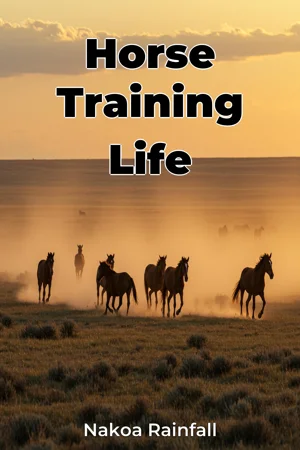
How did the bond between humans and horses shape the very fabric of steppe societies? "Horse Training Life" delves into the intricate relationship between horse taming practices and family structures within these historically significant cultures. This book explores not only the technical aspects of early horsemanship but also the profound social and familial implications that arose from mastering these skills. Understanding these dynamics offers crucial insights into the development of steppe cultures and their lasting impact on world history. The core topics addressed in this book are the origins and evolution of horse taming techniques, the role of horses in the economic and social life of steppe communities, and, most importantly, the integration of these practices into family structures and traditions. These topics are significant because they highlight a unique case of human-animal interaction that directly influenced societal organization, migration patterns, and even warfare strategies. To fully appreciate the subject matter, a basic understanding of ancient Eurasian geography and the nomadic lifestyles of steppe peoples is beneficial. We will examine archaeological evidence, historical accounts from neighboring settled civilizations, and anthropological studies of modern-day pastoralist communities to reconstruct a comprehensive picture of horse culture on the steppes. The central argument of "Horse Training Life" posits that the specialized knowledge and skills associated with horse taming were primarily transmitted within family units, creating distinct lineages of equestrian expertise that significantly shaped social hierarchies and power dynamics on the steppes. The book will demonstrate how this intergenerational knowledge transfer fostered both stability and competition within these societies, influencing their political and economic trajectories. The book begins by introducing the early evidence of horse domestication and its spread across the Eurasian steppes. It then develops its argument through three major sections. The first section examines the specific techniques used in horse taming and breeding, drawing on archaeological findings of horse gear, skeletal remains, and ancient art. The second focuses on the economic role of horses, exploring their use in transportation, trade, and warfare, and how this usage impacted family wealth and status. The final section details the social and cultural significance of horses, including their role in rituals, ceremonies, and oral traditions, with a particular emphasis on how these practices were passed down through families. The book culminates by demonstrating how the family-centered nature of horse training contributed to the resilience and adaptability of steppe cultures over centuries. Evidence presented will include analysis of Scythian burial mounds (kurgans), ancient Chinese texts describing interactions with nomadic tribes, and comparative studies of equestrian traditions in various steppe regions. Unique data will come from recent genetic studies of ancient horse populations, offering insights into breeding practices and the geographical spread of specific horse lineages. This book connects to several other fields, including archaeology (through the study of material culture related to horses), anthropology (through the analysis of social structures and kinship systems), and genetics (through the study of horse domestication and breeding). These interdisciplinary connections enrich the book's argument by providing diverse perspectives on the complex relationship between humans, horses, and society. "Horse Training Life" offers a fresh perspective by emphasizing the often-overlooked role of family units in the development and transmission of equestrian knowledge. It moves beyond a purely technological or economic analysis to explore the social and cultural dimensions of horse taming, revealing its deep integration into the fabric of steppe societies. The overall tone is academic yet accessible, aiming to present complex information in a clear and engaging manner. The writing style balances scholarly rigor with narrative elements, drawing the reader into the world of the ancient steppes. The target audience includes students and scholars of history, archaeology, anthropology, and equestrian studies, as well as general readers interested in learning about the history of horse domestication and the cultures of the Eurasian steppes. This book offers a valuable resource for understanding the interplay between technological innovation, social organization, and cultural transmission in a unique historical context. As a work of history and social science, this book adheres to the conventions of scholarly research, including rigorous sourcing, critical analysis of evidence, and a balanced presentation of different viewpoints. While the book aims to provide a comprehensive overview of horse taming and family life in steppe cultures, its scope is limited to the period from the early domestication of horses to the rise of settled empires in the region. It does not delve into the modern-day equestrian practices of these cultures. The information in this book can be applied practically by researchers studying human-animal interactions, historians seeking a more nuanced understanding of steppe societies, and anyone interested in the cultural and social impacts of technological innovation. The book addresses ongoing debates about the precise timeline and geographic origins of horse domestication, as well as the relative importance of environmental versus social factors in shaping steppe cultures.
How did the bond between humans and horses shape the very fabric of steppe societies? "Horse Training Life" delves into the intricate relationship between horse taming practices and family structures within these historically significant cultures. This book explores not only the technical aspects of early horsemanship but also the profound social and familial implications that arose from mastering these skills. Understanding these dynamics offers crucial insights into the development of steppe cultures and their lasting impact on world history. The core topics addressed in this book are the origins and evolution of horse taming techniques, the role of horses in the economic and social life of steppe communities, and, most importantly, the integration of these practices into family structures and traditions. These topics are significant because they highlight a unique case of human-animal interaction that directly influenced societal organization, migration patterns, and even warfare strategies. To fully appreciate the subject matter, a basic understanding of ancient Eurasian geography and the nomadic lifestyles of steppe peoples is beneficial. We will examine archaeological evidence, historical accounts from neighboring settled civilizations, and anthropological studies of modern-day pastoralist communities to reconstruct a comprehensive picture of horse culture on the steppes. The central argument of "Horse Training Life" posits that the specialized knowledge and skills associated with horse taming were primarily transmitted within family units, creating distinct lineages of equestrian expertise that significantly shaped social hierarchies and power dynamics on the steppes. The book will demonstrate how this intergenerational knowledge transfer fostered both stability and competition within these societies, influencing their political and economic trajectories. The book begins by introducing the early evidence of horse domestication and its spread across the Eurasian steppes. It then develops its argument through three major sections. The first section examines the specific techniques used in horse taming and breeding, drawing on archaeological findings of horse gear, skeletal remains, and ancient art. The second focuses on the economic role of horses, exploring their use in transportation, trade, and warfare, and how this usage impacted family wealth and status. The final section details the social and cultural significance of horses, including their role in rituals, ceremonies, and oral traditions, with a particular emphasis on how these practices were passed down through families. The book culminates by demonstrating how the family-centered nature of horse training contributed to the resilience and adaptability of steppe cultures over centuries. Evidence presented will include analysis of Scythian burial mounds (kurgans), ancient Chinese texts describing interactions with nomadic tribes, and comparative studies of equestrian traditions in various steppe regions. Unique data will come from recent genetic studies of ancient horse populations, offering insights into breeding practices and the geographical spread of specific horse lineages. This book connects to several other fields, including archaeology (through the study of material culture related to horses), anthropology (through the analysis of social structures and kinship systems), and genetics (through the study of horse domestication and breeding). These interdisciplinary connections enrich the book's argument by providing diverse perspectives on the complex relationship between humans, horses, and society. "Horse Training Life" offers a fresh perspective by emphasizing the often-overlooked role of family units in the development and transmission of equestrian knowledge. It moves beyond a purely technological or economic analysis to explore the social and cultural dimensions of horse taming, revealing its deep integration into the fabric of steppe societies. The overall tone is academic yet accessible, aiming to present complex information in a clear and engaging manner. The writing style balances scholarly rigor with narrative elements, drawing the reader into the world of the ancient steppes. The target audience includes students and scholars of history, archaeology, anthropology, and equestrian studies, as well as general readers interested in learning about the history of horse domestication and the cultures of the Eurasian steppes. This book offers a valuable resource for understanding the interplay between technological innovation, social organization, and cultural transmission in a unique historical context. As a work of history and social science, this book adheres to the conventions of scholarly research, including rigorous sourcing, critical analysis of evidence, and a balanced presentation of different viewpoints. While the book aims to provide a comprehensive overview of horse taming and family life in steppe cultures, its scope is limited to the period from the early domestication of horses to the rise of settled empires in the region. It does not delve into the modern-day equestrian practices of these cultures. The information in this book can be applied practically by researchers studying human-animal interactions, historians seeking a more nuanced understanding of steppe societies, and anyone interested in the cultural and social impacts of technological innovation. The book addresses ongoing debates about the precise timeline and geographic origins of horse domestication, as well as the relative importance of environmental versus social factors in shaping steppe cultures.
"Horse Training Life" explores the profound connection between humans and horses in shaping steppe societies, focusing on how horse taming practices intertwined with family structures. The book reveals how equestrian knowledge was often passed down through generations, creating distinct lineages of expertise that influenced social hierarchies. Intriguingly, archaeological findings, such as horse gear and skeletal remains, shed light on early taming techniques. This book uniquely emphasizes the role of family units in transmitting equestrian knowledge, moving beyond purely technological or economic analyses to explore the social and cultural dimensions. The narrative progresses from the early evidence of horse domestication, through the examination of taming and breeding techniques, to the economic and social significance of horses within steppe communities. By examining ancient Chinese texts and Scythian burial mounds, the book demonstrates how family-centered horse training contributed to the resilience of these cultures.
Book Details
ISBN
9788235221490
Publisher
Publifye AS
Your Licenses
You don't own any licenses for this book
Purchase a license below to unlock this book and download the EPUB.
Purchase License
Select a tier to unlock this book
Need bulk licensing?
Contact us for enterprise agreements.