
About This Book
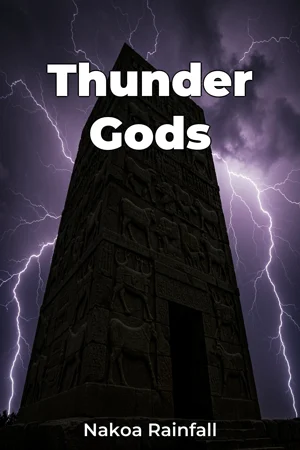
Across cultures and throughout history, the raw power of storms and lightning has captivated humanity, inspiring myths, shaping religions, and influencing societal structures. Why have these elemental forces consistently been linked to deities of immense power and authority? "Thunder Gods" explores this enduring connection, examining the diverse pantheons and belief systems that have deified the storm and its associated phenomena. This book delves into the historical and cultural significance of storm gods across various civilizations. We explore how these deities embody not only destructive potential but also life-giving rain and the power to enforce divine law. Understanding these figures provides insight into the anxieties and aspirations of the societies that worshipped them, revealing fundamental aspects of their worldviews. The narrative unfolds against the backdrop of ancient civilizations, early religious practices, and the development of mythology. While no specific prior knowledge is strictly necessary, an interest in comparative religion, mythology, or ancient history will enrich the reading experience. We will examine the archaeological and textual evidence used to understand the beliefs surrounding these deities. "Thunder Gods" argues that the enduring prominence of storm deities reflects a universal human recognition of nature's dual capacity for creation and destruction. These gods, therefore, function as embodiments of cosmic balance, representing forces that must be both revered and propitiated. This argument highlights the profound impact of environmental factors on the development of religious and cultural systems. The book proceeds in a structured manner. First, we introduce the fundamental concepts of storm deities, considering their common attributes and roles. Second, we analyze specific examples from different cultures: from Zeus in ancient Greece and Thor in Norse mythology to the storm gods of indigenous cultures in the Americas and Africa. Each chapter will delve into the specific myths, rituals, and social contexts surrounding these deities. Third, we synthesize these diverse examples to identify recurring themes and patterns in the worship of storm gods. Finally, we discuss the legacy of these deities in contemporary culture, examining their continued influence on art, literature, and popular imagination. The analysis presented in "Thunder Gods" draws upon a wide range of sources, including primary texts such as ancient hymns and myths, archaeological findings from temple sites and votive offerings, and secondary scholarship in the fields of religious studies, anthropology, and history. The book utilizes a comparative approach, carefully analyzing similarities and differences across cultures to draw broader conclusions about the nature of religious belief. The study of thunder gods sits at the intersection of several academic disciplines. It connects to environmental studies by examining the impact of climate and natural phenomena on religious beliefs. It also links to sociology by exploring how religious practices influence social structures and power dynamics. Furthermore, it relates to art history by considering the visual representations of these deities across different cultures. "Thunder Gods" offers a unique perspective by focusing on the comparative analysis of storm deities across a broad range of cultures and historical periods. It moves beyond simple descriptions of individual gods to explore the underlying reasons for their enduring appeal and significance. The writing style is academic yet accessible, aiming to inform and engage a broad audience. The book presents complex ideas in a clear and concise manner, avoiding specialized jargon and providing ample context for non-expert readers. The primary target audience is anyone interested in religion, mythology, history, or cultural studies. Specifically, students, researchers, and general readers seeking a deeper understanding of the origins and evolution of religious beliefs will find this book valuable. The book adheres to the conventions of non-fiction by presenting well-researched information, clearly cited sources, and a balanced perspective on different interpretations. The scope of "Thunder Gods" is broad, encompassing a wide range of cultures and historical periods. However, it is limited to deities primarily associated with storms, lightning, and related phenomena. While other aspects of these cultures will be touched upon, the focus remains firmly on the storm gods themselves. Understanding the role of storm gods in shaping past societies can offer valuable insights into contemporary issues such as climate change, disaster preparedness, and the relationship between humans and the environment. The values of respect and reverence for nature, often associated with these deities, remain relevant in today's world. The interpretation of ancient myths and religious practices is often subject to debate. "Thunder Gods" addresses these controversies by presenting different perspectives and acknowledging the limitations of our current knowledge. It encourages readers to think critically about the evidence and to form their own conclusions.
Across cultures and throughout history, the raw power of storms and lightning has captivated humanity, inspiring myths, shaping religions, and influencing societal structures. Why have these elemental forces consistently been linked to deities of immense power and authority? "Thunder Gods" explores this enduring connection, examining the diverse pantheons and belief systems that have deified the storm and its associated phenomena. This book delves into the historical and cultural significance of storm gods across various civilizations. We explore how these deities embody not only destructive potential but also life-giving rain and the power to enforce divine law. Understanding these figures provides insight into the anxieties and aspirations of the societies that worshipped them, revealing fundamental aspects of their worldviews. The narrative unfolds against the backdrop of ancient civilizations, early religious practices, and the development of mythology. While no specific prior knowledge is strictly necessary, an interest in comparative religion, mythology, or ancient history will enrich the reading experience. We will examine the archaeological and textual evidence used to understand the beliefs surrounding these deities. "Thunder Gods" argues that the enduring prominence of storm deities reflects a universal human recognition of nature's dual capacity for creation and destruction. These gods, therefore, function as embodiments of cosmic balance, representing forces that must be both revered and propitiated. This argument highlights the profound impact of environmental factors on the development of religious and cultural systems. The book proceeds in a structured manner. First, we introduce the fundamental concepts of storm deities, considering their common attributes and roles. Second, we analyze specific examples from different cultures: from Zeus in ancient Greece and Thor in Norse mythology to the storm gods of indigenous cultures in the Americas and Africa. Each chapter will delve into the specific myths, rituals, and social contexts surrounding these deities. Third, we synthesize these diverse examples to identify recurring themes and patterns in the worship of storm gods. Finally, we discuss the legacy of these deities in contemporary culture, examining their continued influence on art, literature, and popular imagination. The analysis presented in "Thunder Gods" draws upon a wide range of sources, including primary texts such as ancient hymns and myths, archaeological findings from temple sites and votive offerings, and secondary scholarship in the fields of religious studies, anthropology, and history. The book utilizes a comparative approach, carefully analyzing similarities and differences across cultures to draw broader conclusions about the nature of religious belief. The study of thunder gods sits at the intersection of several academic disciplines. It connects to environmental studies by examining the impact of climate and natural phenomena on religious beliefs. It also links to sociology by exploring how religious practices influence social structures and power dynamics. Furthermore, it relates to art history by considering the visual representations of these deities across different cultures. "Thunder Gods" offers a unique perspective by focusing on the comparative analysis of storm deities across a broad range of cultures and historical periods. It moves beyond simple descriptions of individual gods to explore the underlying reasons for their enduring appeal and significance. The writing style is academic yet accessible, aiming to inform and engage a broad audience. The book presents complex ideas in a clear and concise manner, avoiding specialized jargon and providing ample context for non-expert readers. The primary target audience is anyone interested in religion, mythology, history, or cultural studies. Specifically, students, researchers, and general readers seeking a deeper understanding of the origins and evolution of religious beliefs will find this book valuable. The book adheres to the conventions of non-fiction by presenting well-researched information, clearly cited sources, and a balanced perspective on different interpretations. The scope of "Thunder Gods" is broad, encompassing a wide range of cultures and historical periods. However, it is limited to deities primarily associated with storms, lightning, and related phenomena. While other aspects of these cultures will be touched upon, the focus remains firmly on the storm gods themselves. Understanding the role of storm gods in shaping past societies can offer valuable insights into contemporary issues such as climate change, disaster preparedness, and the relationship between humans and the environment. The values of respect and reverence for nature, often associated with these deities, remain relevant in today's world. The interpretation of ancient myths and religious practices is often subject to debate. "Thunder Gods" addresses these controversies by presenting different perspectives and acknowledging the limitations of our current knowledge. It encourages readers to think critically about the evidence and to form their own conclusions.
"Thunder Gods" explores the captivating role of storm deities across various cultures and throughout history. It delves into why civilizations worldwide have consistently linked the raw power of storms and lightning to gods of immense authority. The book examines diverse pantheons, from Zeus in ancient Greece to Thor in Norse mythology, revealing how these deities embody both destructive potential and life-giving forces. Understanding these figures offers insights into the anxieties and aspirations of ancient societies, reflecting their fundamental worldviews. The book presents a comparative analysis of storm gods, revealing recurring themes and patterns in their worship. It introduces the fundamental concepts of storm deities, analyzes specific cultural examples, and synthesizes these examples to identify broader religious themes. For example, the prominence of storm deities often reflects a society's recognition of nature's dual capacity for creation and destruction, highlighting the profound impact of environmental factors on religious and cultural systems. This approach offers a unique perspective on religious studies and cultural studies. The narrative unfolds in a structured manner, progressing from introducing core concepts to analyzing specific cultural examples and then synthesizing recurring themes. "Thunder Gods" draws upon archaeological and textual evidence, providing a valuable resource for anyone interested in comparative religion, mythology, or ancient history. Ultimately, the book argues that these deities function as embodiments of cosmic balance, representing forces that must be both revered and propitiated.
Book Details
ISBN
9788235221414
Publisher
Publifye AS
Your Licenses
You don't own any licenses for this book
Purchase a license below to unlock this book and download the EPUB.
Purchase License
Select a tier to unlock this book
Need bulk licensing?
Contact us for enterprise agreements.