
About This Book
Imagine a world where language barriers dissolve effortlessly, where mastering a new language becomes an engaging and personalized journey. This is no longer a futuristic fantasy, but a rapidly approaching reality enabled by the power of artificial intelligence. "AI Speech" delves into this transformative landscape, exploring how AI is revolutionizing language learning through real-time translation, enhanced speech recognition, and tailored linguistic training programs. This book addresses the urgent need for more effective and efficient language acquisition methods in an increasingly interconnected global society. Traditional language learning approaches often prove time-consuming, expensive, and, for many, ultimately unsuccessful. AI offers a paradigm shift, promising to make language education more accessible, adaptable, and ultimately, more rewarding. "AI Speech" begins by laying the groundwork with a concise history of language learning technologies and the evolution of artificial intelligence. It introduces the core AI technologies that underpin this revolution: automatic speech recognition (ASR), machine translation (MT), and natural language processing (NLP). Understanding these technologies is crucial to appreciating their potential and limitations in the context of language education. The book then develops its central argument: that AI-powered tools are not merely supplementary aids but are poised to become the primary drivers of language learning in the 21st century. This argument is explored through three key sections. First, we examine real-time translation, analyzing its current capabilities and future potential in facilitating communication and language immersion. We will discuss the accuracy, nuances, and cultural sensitivity of modern AI translation tools. Second, the book explores the advancements in speech recognition technology and how it provides learners with instant feedback on pronunciation, fluency, and intonation. It showcases how AI can analyze speech patterns and identify areas for improvement with precision. Third, "AI Speech" investigates personalized linguistic training. It explains how AI algorithms can adapt to individual learning styles, paces, and goals, creating customized learning paths that optimize language acquisition. The analysis within "AI Speech" is supported by a wide range of evidence and research, including case studies of successful AI-driven language learning programs, comparative analyses of different AI tools, and empirical data from user studies. The book also draws upon unique datasets, detailing the performance of various AI models on different language learning tasks. "AI Speech" connects to several other academic realms, including education, computer science, and linguistics. By viewing language learning through the lens of educational psychology, the book considers the cognitive benefits of using AI-driven tools and the impact on learner motivation and engagement. The insights from computer science offer a deep dive into the technical mechanisms and algorithmic complexities of AI systems. The book also references the field of linguistics to consider the nuances of language structure, semantics, and pragmatics to ensure that AI systems can process and understand human language in all its complexity. "AI Speech" takes a forward-thinking approach, not only examining current AI applications but also speculating on future developments and potential challenges. It examines ethical considerations, such as data privacy and algorithmic bias, to ensure responsible and equitable implementation of AI technologies. Written in a clear and accessible style, "AI Speech" is aimed at educators, language learners, technology enthusiasts, and anyone interested in the future of language education. It will provide educators with the knowledge and tools to integrate AI into their teaching practices, while language learners can benefit from understanding how AI can enhance their learning experience. Technology professionals will gain insights into the opportunities and challenges of developing AI solutions for language education purposes. The scope of the book is broad, covering a wide range of languages and AI technologies, but it deliberately avoids overly technical jargon, making it accessible to a general audience. While acknowledging the limitations of current AI technology, the book maintains an optimistic outlook on the potential of AI to transform language learning for the better. Ultimately, "AI Speech" provides a practical guide to harnessing the power of AI for language acquisition. It offers actionable advice on selecting and using AI tools effectively, setting realistic goals, and maximizing the benefits of personalized learning. By exploring the innovative intersection of artificial intelligence and language learning, "AI Speech" offers a compelling vision of the future of communication and education in a globalized world.
Imagine a world where language barriers dissolve effortlessly, where mastering a new language becomes an engaging and personalized journey. This is no longer a futuristic fantasy, but a rapidly approaching reality enabled by the power of artificial intelligence. "AI Speech" delves into this transformative landscape, exploring how AI is revolutionizing language learning through real-time translation, enhanced speech recognition, and tailored linguistic training programs. This book addresses the urgent need for more effective and efficient language acquisition methods in an increasingly interconnected global society. Traditional language learning approaches often prove time-consuming, expensive, and, for many, ultimately unsuccessful. AI offers a paradigm shift, promising to make language education more accessible, adaptable, and ultimately, more rewarding. "AI Speech" begins by laying the groundwork with a concise history of language learning technologies and the evolution of artificial intelligence. It introduces the core AI technologies that underpin this revolution: automatic speech recognition (ASR), machine translation (MT), and natural language processing (NLP). Understanding these technologies is crucial to appreciating their potential and limitations in the context of language education. The book then develops its central argument: that AI-powered tools are not merely supplementary aids but are poised to become the primary drivers of language learning in the 21st century. This argument is explored through three key sections. First, we examine real-time translation, analyzing its current capabilities and future potential in facilitating communication and language immersion. We will discuss the accuracy, nuances, and cultural sensitivity of modern AI translation tools. Second, the book explores the advancements in speech recognition technology and how it provides learners with instant feedback on pronunciation, fluency, and intonation. It showcases how AI can analyze speech patterns and identify areas for improvement with precision. Third, "AI Speech" investigates personalized linguistic training. It explains how AI algorithms can adapt to individual learning styles, paces, and goals, creating customized learning paths that optimize language acquisition. The analysis within "AI Speech" is supported by a wide range of evidence and research, including case studies of successful AI-driven language learning programs, comparative analyses of different AI tools, and empirical data from user studies. The book also draws upon unique datasets, detailing the performance of various AI models on different language learning tasks. "AI Speech" connects to several other academic realms, including education, computer science, and linguistics. By viewing language learning through the lens of educational psychology, the book considers the cognitive benefits of using AI-driven tools and the impact on learner motivation and engagement. The insights from computer science offer a deep dive into the technical mechanisms and algorithmic complexities of AI systems. The book also references the field of linguistics to consider the nuances of language structure, semantics, and pragmatics to ensure that AI systems can process and understand human language in all its complexity. "AI Speech" takes a forward-thinking approach, not only examining current AI applications but also speculating on future developments and potential challenges. It examines ethical considerations, such as data privacy and algorithmic bias, to ensure responsible and equitable implementation of AI technologies. Written in a clear and accessible style, "AI Speech" is aimed at educators, language learners, technology enthusiasts, and anyone interested in the future of language education. It will provide educators with the knowledge and tools to integrate AI into their teaching practices, while language learners can benefit from understanding how AI can enhance their learning experience. Technology professionals will gain insights into the opportunities and challenges of developing AI solutions for language education purposes. The scope of the book is broad, covering a wide range of languages and AI technologies, but it deliberately avoids overly technical jargon, making it accessible to a general audience. While acknowledging the limitations of current AI technology, the book maintains an optimistic outlook on the potential of AI to transform language learning for the better. Ultimately, "AI Speech" provides a practical guide to harnessing the power of AI for language acquisition. It offers actionable advice on selecting and using AI tools effectively, setting realistic goals, and maximizing the benefits of personalized learning. By exploring the innovative intersection of artificial intelligence and language learning, "AI Speech" offers a compelling vision of the future of communication and education in a globalized world.
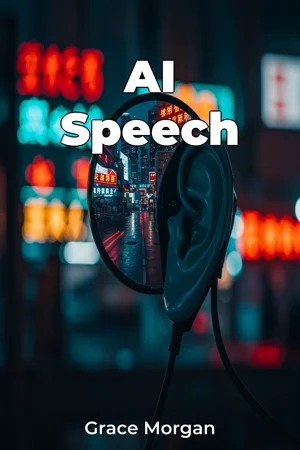
"AI Speech" explores the revolutionary impact of artificial intelligence on language learning, highlighting how AI-driven tools are poised to transform language education. It addresses the increasing need for efficient language acquisition methods in our interconnected world, contrasting them with traditional, often unsuccessful, approaches. The book delves into core AI technologies like automatic speech recognition, machine translation, and natural language processing, illustrating how these advancements provide personalized and adaptive learning experiences. The book details how AI facilitates real-time translation, offering insights into its accuracy and cultural sensitivity, enhancing language immersion. It also examines speech recognition technology, showcasing how instant feedback improves pronunciation and fluency. Progressing through chapters, "AI Speech" builds upon the central argument that personalized linguistic training, tailored to individual learning styles and paces, optimizes language acquisition. Supported by case studies and empirical data, "AI Speech" presents a forward-thinking perspective on the future of language education. It connects to diverse fields such as education, computer science, and linguistics, considering the cognitive benefits and ethical implications of AI-driven language learning. It offers a practical guide for educators, learners, and technology enthusiasts, providing actionable advice on effectively using AI tools for language acquisition.
Book Details
ISBN
9788235221377
Publisher
Publifye AS
Your Licenses
You don't own any licenses for this book
Purchase a license below to unlock this book and download the EPUB.
Purchase License
Select a tier to unlock this book
Need bulk licensing?
Contact us for enterprise agreements.