
About This Book
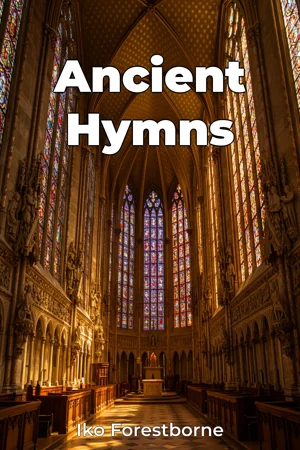
Have you ever considered the profound spiritual power embedded within the hymns, chants, and sacred songs that resonate across diverse cultures and faiths? "Ancient Hymns" delves into the origins, evolution, and enduring significance of these musical expressions of worship, offering a comprehensive exploration of their historical, cultural, and theological dimensions. This book examines the vital role that hymns and sacred songs play in shaping religious experience and fostering communal identity. We will explore the origins and development of hymns across various traditions, including early Christian hymns, Gregorian chants, and ancient Jewish liturgical music, as well as parallel developments in Eastern religions such as Hinduism and Buddhism. Understanding these origins provides crucial context for appreciating the depth and diversity of sacred music. The central argument posits that hymns and sacred songs are not merely musical compositions, but rather potent vehicles for transmitting religious beliefs, values, and spiritual experiences across generations. They serve as a tangible link to the past, connecting contemporary worshippers to ancient traditions and fostering a sense of continuity and belonging. This argument is vital because it underscores the active role of music in constructing and maintaining religious identity. The book unfolds in a structured manner. Beginning with an investigation into the earliest forms of hymnody, we establish a foundation for understanding the evolution of sacred music. We address the historical settings that gave rise to these traditions, touching on the socio-political conditions and intellectual currents that influenced hymn composition and usage. The next section explores thematic categories within hymns, such as praise, lament, petition, and thanksgiving, demonstrating how these recurring themes reflect core aspects of religious belief and practice. Further, we analyze the musical components through the lens of music theory, including melody, harmony, rhythm, and form. This analysis reveals how musical elements work in tandem with the lyrics to amplify the emotional and spiritual impact of the hymns. Concluding chapters address the continued relevance of ancient hymns in contemporary worship and explore the challenges and opportunities facing sacred music in a rapidly changing world. Evidence presented draws from a wide range of sources, including ancient texts, liturgical documents, musical scores, and ethnographic studies of contemporary worship practices. We will analyze primary source materials in their original languages (with translations provided) to gain direct insight into the intentions of the composers and the meanings conveyed by the hymns. The book also touches upon aspects of history, sociology, and musicology. The exploration of the historical and social contexts illuminates the forces that shaped the creation and use of hymns. The sociological perspective helps to understand how hymns function to create community, reinforce social norms, and express collective identity. The musicological analysis provides the tools to understand the aesthetics and expressive power of sacred music. "Ancient Hymns" offers a unique perspective by integrating historical, theological, and musicological analysis to provide a holistic understanding of the spiritual power of hymns. It adopts an objective and scholarly approach, presenting information in a clear and accessible manner while maintaining academic rigor. Intended for students of religion, music, and cultural studies, as well as clergy, musicians, and anyone interested in the history and spirituality of sacred songs, this book offers valuable insights into a fundamental aspect of religious life. The scope of this study encompasses a broad range of historical periods and religious traditions but focuses primarily on Western religious music, with selected comparisons to Eastern traditions to offer a global perspective. The insights gained from this book can be applied to enhance contemporary worship practices, promote interfaith dialogue, and deepen individual spiritual understanding. By appreciating the rich heritage of ancient hymns, we can foster a greater sense of connection to the past and a renewed appreciation for the power of music to inspire and unite.
Have you ever considered the profound spiritual power embedded within the hymns, chants, and sacred songs that resonate across diverse cultures and faiths? "Ancient Hymns" delves into the origins, evolution, and enduring significance of these musical expressions of worship, offering a comprehensive exploration of their historical, cultural, and theological dimensions. This book examines the vital role that hymns and sacred songs play in shaping religious experience and fostering communal identity. We will explore the origins and development of hymns across various traditions, including early Christian hymns, Gregorian chants, and ancient Jewish liturgical music, as well as parallel developments in Eastern religions such as Hinduism and Buddhism. Understanding these origins provides crucial context for appreciating the depth and diversity of sacred music. The central argument posits that hymns and sacred songs are not merely musical compositions, but rather potent vehicles for transmitting religious beliefs, values, and spiritual experiences across generations. They serve as a tangible link to the past, connecting contemporary worshippers to ancient traditions and fostering a sense of continuity and belonging. This argument is vital because it underscores the active role of music in constructing and maintaining religious identity. The book unfolds in a structured manner. Beginning with an investigation into the earliest forms of hymnody, we establish a foundation for understanding the evolution of sacred music. We address the historical settings that gave rise to these traditions, touching on the socio-political conditions and intellectual currents that influenced hymn composition and usage. The next section explores thematic categories within hymns, such as praise, lament, petition, and thanksgiving, demonstrating how these recurring themes reflect core aspects of religious belief and practice. Further, we analyze the musical components through the lens of music theory, including melody, harmony, rhythm, and form. This analysis reveals how musical elements work in tandem with the lyrics to amplify the emotional and spiritual impact of the hymns. Concluding chapters address the continued relevance of ancient hymns in contemporary worship and explore the challenges and opportunities facing sacred music in a rapidly changing world. Evidence presented draws from a wide range of sources, including ancient texts, liturgical documents, musical scores, and ethnographic studies of contemporary worship practices. We will analyze primary source materials in their original languages (with translations provided) to gain direct insight into the intentions of the composers and the meanings conveyed by the hymns. The book also touches upon aspects of history, sociology, and musicology. The exploration of the historical and social contexts illuminates the forces that shaped the creation and use of hymns. The sociological perspective helps to understand how hymns function to create community, reinforce social norms, and express collective identity. The musicological analysis provides the tools to understand the aesthetics and expressive power of sacred music. "Ancient Hymns" offers a unique perspective by integrating historical, theological, and musicological analysis to provide a holistic understanding of the spiritual power of hymns. It adopts an objective and scholarly approach, presenting information in a clear and accessible manner while maintaining academic rigor. Intended for students of religion, music, and cultural studies, as well as clergy, musicians, and anyone interested in the history and spirituality of sacred songs, this book offers valuable insights into a fundamental aspect of religious life. The scope of this study encompasses a broad range of historical periods and religious traditions but focuses primarily on Western religious music, with selected comparisons to Eastern traditions to offer a global perspective. The insights gained from this book can be applied to enhance contemporary worship practices, promote interfaith dialogue, and deepen individual spiritual understanding. By appreciating the rich heritage of ancient hymns, we can foster a greater sense of connection to the past and a renewed appreciation for the power of music to inspire and unite.
"Ancient Hymns" explores the rich history and enduring power of sacred songs across various cultures and faiths. It examines how hymns serve as potent vehicles for transmitting religious beliefs and values, connecting contemporary worshippers to ancient traditions. The book posits that these musical compositions are not merely artistic creations but also fundamental in shaping religious experience and fostering communal identity. The book delves into the origins and evolution of hymnody, from early Christian hymns and Gregorian chants to ancient Jewish liturgical music. It highlights how recurring themes like praise, lament, and thanksgiving reflect core aspects of religious belief and practice. By analyzing musical components like melody and rhythm, the book reveals how these elements amplify the spiritual impact of hymns. Structured to build understanding, "Ancient Hymns" begins with the earliest forms of hymnody and progresses through thematic categories and musical analysis. It concludes by addressing the continued relevance of ancient hymns in contemporary worship. This comprehensive approach provides a holistic understanding of the spiritual power of sacred music.
Book Details
ISBN
9788235221162
Publisher
Publifye AS
Your Licenses
You don't own any licenses for this book
Purchase a license below to unlock this book and download the EPUB.
Purchase License
Select a tier to unlock this book
Need bulk licensing?
Contact us for enterprise agreements.