
About This Book
Is iron deficiency silently undermining the potential of girls worldwide? "Girlhood Needs Iron" delves into the critical role of iron in the health and development of young women, revealing how this essential mineral directly impacts their physical and cognitive well-being. We explore the intricate relationship between nutrition, biology, and life sciences to illuminate the profound consequences of iron deficiency and offer practical solutions for addressing this often-overlooked issue. This book tackles three key topics: the biological mechanisms through which iron supports blood production and overall health in girls, the prevalence and causes of iron deficiency in various populations, and evidence-based strategies for improving iron intake through dietary modifications and supplementation. These topics are of paramount importance because iron deficiency anemia is a widespread global health problem that disproportionately affects adolescent girls, hindering their growth, cognitive function, and future reproductive health. Understanding the significance of iron requires a grasp of basic biological principles, specifically the role of iron in hemoglobin synthesis and oxygen transport within the body. We will also examine the historical context of nutritional science and public health initiatives aimed at combating micronutrient deficiencies. No prior advanced scientific knowledge is required; we build the necessary foundation within these pages. The central argument of "Girlhood Needs Iron" is that ensuring adequate iron intake during girlhood is not merely a matter of preventing anemia, but a critical investment in their future health, education, and economic empowerment. This argument is vital because it challenges the conventional focus on treating iron deficiency reactively, advocating instead for proactive strategies to prevent it in the first place. The book unfolds in a structured manner. First, we introduce the fundamental concepts of iron metabolism, bioavailability, and the physiological demands of girlhood. Then, we delve into the epidemiology of iron deficiency, examining the factors that contribute to its prevalence, such as dietary habits, socioeconomic status, and parasitic infections. Subsequent chapters explore dietary strategies for increasing iron intake, focusing on iron-rich foods and enhancers of iron absorption, such as vitamin C. We also critically evaluate the role of iron supplementation, considering the benefits, risks, and optimal dosage regimens. The concluding chapters synthesize the evidence and provide actionable recommendations for individuals, families, healthcare providers, and policymakers. The evidence presented in this book draws from a wide range of sources, including peer-reviewed scientific publications, large-scale epidemiological studies, and clinical trials evaluating the efficacy of iron interventions. We also incorporate data from international organizations such as the World Health Organization and UNICEF, to provide a global perspective on the issue. Particular attention is given to research highlighting the effectiveness of dietary interventions and the appropriate use of iron supplements in different settings. "Girlhood Needs Iron" sits at the intersection of several disciplines, including nutrition science, hematology, and public health. By integrating insights from these fields, we provide a comprehensive and nuanced understanding of the complex factors that influence iron status in girls. Furthermore, the book connects to broader discussions on gender equality, poverty reduction, and sustainable development, highlighting the far-reaching implications of addressing iron deficiency. The book's unique approach lies in its focus on practical, evidence-based solutions tailored to the specific needs and challenges of girls in diverse contexts. Rather than simply presenting the scientific facts, we translate them into actionable strategies that can be implemented at the individual, family, and community levels. The tone is informative and accessible, aiming to engage a broad audience while maintaining scientific rigor. We present complex information in a clear and concise manner, using real-world examples and case studies to illustrate key concepts. The writing style balances scientific accuracy with readability, making the book suitable for both healthcare professionals and general readers. The target audience includes parents, educators, healthcare providers, nutritionists, and policymakers who are interested in improving the health and well-being of girls. This book would be valuable to them because it provides a comprehensive, evidence-based guide to understanding and addressing iron deficiency, empowering them to make informed decisions and take effective action. As a work of non-fiction, "Girlhood Needs Iron" adheres to the conventions of accuracy, objectivity, and transparency. All claims are supported by credible evidence, and potential biases are acknowledged and addressed. The scope of the book is limited to the specific topic of iron deficiency in girls, with a focus on prevention and management strategies. While we acknowledge the importance of other micronutrients, our primary focus remains on iron, due to its unique role in supporting the health and development of young women. The information presented in this book can be applied in numerous real-world settings. Parents can use our dietary recommendations to ensure that their daughters are consuming adequate amounts of iron-rich foods. Healthcare providers can use our guidelines to screen for iron deficiency and provide appropriate treatment and counseling. Policymakers can use our evidence-based recommendations to develop and implement effective public health programs. While the importance of iron is widely recognized, there are ongoing debates about the optimal strategies for preventing and treating iron deficiency. Some researchers advocate for universal iron supplementation, while others emphasize the importance of dietary interventions and food fortification. "Girlhood Needs Iron" addresses these controversies by presenting a balanced assessment of the available evidence and offering practical guidance for navigating these complex issues.
Is iron deficiency silently undermining the potential of girls worldwide? "Girlhood Needs Iron" delves into the critical role of iron in the health and development of young women, revealing how this essential mineral directly impacts their physical and cognitive well-being. We explore the intricate relationship between nutrition, biology, and life sciences to illuminate the profound consequences of iron deficiency and offer practical solutions for addressing this often-overlooked issue. This book tackles three key topics: the biological mechanisms through which iron supports blood production and overall health in girls, the prevalence and causes of iron deficiency in various populations, and evidence-based strategies for improving iron intake through dietary modifications and supplementation. These topics are of paramount importance because iron deficiency anemia is a widespread global health problem that disproportionately affects adolescent girls, hindering their growth, cognitive function, and future reproductive health. Understanding the significance of iron requires a grasp of basic biological principles, specifically the role of iron in hemoglobin synthesis and oxygen transport within the body. We will also examine the historical context of nutritional science and public health initiatives aimed at combating micronutrient deficiencies. No prior advanced scientific knowledge is required; we build the necessary foundation within these pages. The central argument of "Girlhood Needs Iron" is that ensuring adequate iron intake during girlhood is not merely a matter of preventing anemia, but a critical investment in their future health, education, and economic empowerment. This argument is vital because it challenges the conventional focus on treating iron deficiency reactively, advocating instead for proactive strategies to prevent it in the first place. The book unfolds in a structured manner. First, we introduce the fundamental concepts of iron metabolism, bioavailability, and the physiological demands of girlhood. Then, we delve into the epidemiology of iron deficiency, examining the factors that contribute to its prevalence, such as dietary habits, socioeconomic status, and parasitic infections. Subsequent chapters explore dietary strategies for increasing iron intake, focusing on iron-rich foods and enhancers of iron absorption, such as vitamin C. We also critically evaluate the role of iron supplementation, considering the benefits, risks, and optimal dosage regimens. The concluding chapters synthesize the evidence and provide actionable recommendations for individuals, families, healthcare providers, and policymakers. The evidence presented in this book draws from a wide range of sources, including peer-reviewed scientific publications, large-scale epidemiological studies, and clinical trials evaluating the efficacy of iron interventions. We also incorporate data from international organizations such as the World Health Organization and UNICEF, to provide a global perspective on the issue. Particular attention is given to research highlighting the effectiveness of dietary interventions and the appropriate use of iron supplements in different settings. "Girlhood Needs Iron" sits at the intersection of several disciplines, including nutrition science, hematology, and public health. By integrating insights from these fields, we provide a comprehensive and nuanced understanding of the complex factors that influence iron status in girls. Furthermore, the book connects to broader discussions on gender equality, poverty reduction, and sustainable development, highlighting the far-reaching implications of addressing iron deficiency. The book's unique approach lies in its focus on practical, evidence-based solutions tailored to the specific needs and challenges of girls in diverse contexts. Rather than simply presenting the scientific facts, we translate them into actionable strategies that can be implemented at the individual, family, and community levels. The tone is informative and accessible, aiming to engage a broad audience while maintaining scientific rigor. We present complex information in a clear and concise manner, using real-world examples and case studies to illustrate key concepts. The writing style balances scientific accuracy with readability, making the book suitable for both healthcare professionals and general readers. The target audience includes parents, educators, healthcare providers, nutritionists, and policymakers who are interested in improving the health and well-being of girls. This book would be valuable to them because it provides a comprehensive, evidence-based guide to understanding and addressing iron deficiency, empowering them to make informed decisions and take effective action. As a work of non-fiction, "Girlhood Needs Iron" adheres to the conventions of accuracy, objectivity, and transparency. All claims are supported by credible evidence, and potential biases are acknowledged and addressed. The scope of the book is limited to the specific topic of iron deficiency in girls, with a focus on prevention and management strategies. While we acknowledge the importance of other micronutrients, our primary focus remains on iron, due to its unique role in supporting the health and development of young women. The information presented in this book can be applied in numerous real-world settings. Parents can use our dietary recommendations to ensure that their daughters are consuming adequate amounts of iron-rich foods. Healthcare providers can use our guidelines to screen for iron deficiency and provide appropriate treatment and counseling. Policymakers can use our evidence-based recommendations to develop and implement effective public health programs. While the importance of iron is widely recognized, there are ongoing debates about the optimal strategies for preventing and treating iron deficiency. Some researchers advocate for universal iron supplementation, while others emphasize the importance of dietary interventions and food fortification. "Girlhood Needs Iron" addresses these controversies by presenting a balanced assessment of the available evidence and offering practical guidance for navigating these complex issues.
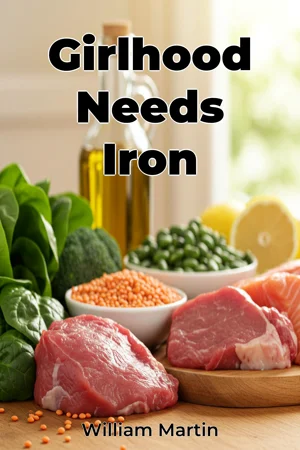
"Girlhood Needs Iron" explores the vital role of iron in girls' health, highlighting how iron deficiency can impact physical and cognitive development. This book delves into the biology of iron, explaining its function in blood production and oxygen transport, while also examining the prevalence and causes of iron deficiency in different populations. Did you know that iron deficiency anemia disproportionately affects adolescent girls, hindering their growth and cognitive function? The book argues that ensuring adequate iron intake isn't just about preventing anemia, but about investing in girls' future health and empowerment. The book progresses logically, first introducing the basics of iron metabolism and the specific needs of girls. It then looks at the reasons behind iron deficiency, such as diet and socioeconomic factors. Subsequent chapters offer dietary strategies, focusing on iron-rich foods and enhancers of iron absorption, such as vitamin C, and critically evaluates iron supplementation, considering benefits, risks, and dosage. The book's strength lies in its translation of science into actionable strategies for individuals, families, healthcare providers, and policymakers, making it a valuable resource for anyone interested in adolescent health and girls nutrition.
Book Details
ISBN
9788235221049
Publisher
Publifye AS
Your Licenses
You don't own any licenses for this book
Purchase a license below to unlock this book and download the EPUB.
Purchase License
Select a tier to unlock this book
Need bulk licensing?
Contact us for enterprise agreements.