
About This Book
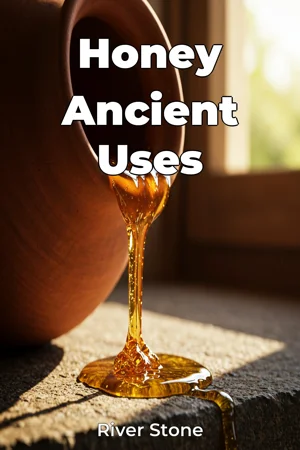
From the tombs of pharaohs to modern kitchens, what is it about honey that has captivated humanity for millennia? "Honey: Ancient Uses" delves into the rich and multifaceted story of this golden elixir, exploring its central role in both culinary and medicinal practices across diverse cultures and historical periods. This book argues that honey's enduring appeal stems not only from its unique flavor profile and natural sweetness, but also from its proven therapeutic properties and its symbolic significance across civilizations. This exploration begins by establishing a historical context, tracing the earliest evidence of honey harvesting and beekeeping in ancient Egypt. Through examination of archaeological finds, hieroglyphic inscriptions, and ancient texts, the book reveals the pivotal role honey played in Egyptian society, from its use as a sweetener and preservative to its integration into religious rituals and medicinal remedies. This historical background lays the foundation for understanding honey's enduring legacy in subsequent cultures. The book then examines the medicinal applications of honey throughout history. Drawing upon a wealth of historical medical texts, scientific studies, and traditional healing practices, this section explores the use of honey in treating a wide range of ailments, from wound healing and cough suppression to digestive disorders and skin conditions. The evidence presented highlights the scientific basis for many of these traditional remedies, examining the antibacterial, anti-inflammatory, and antioxidant properties of honey. Further, the book investigates honey's culinary significance across diverse culinary traditions. From ancient Greece and Rome to medieval Europe and modern-day cuisine, honey has been used as a sweetener, flavoring agent, and ingredient in a variety of dishes and beverages. This section explores the cultural and regional variations in honey usage, highlighting the unique ways in which different societies have incorporated honey into their culinary practices. Recipes and historical culinary accounts are also included. "Honey: Ancient Uses" draws upon interdisciplinary research, connecting history, archaeology, medicine, and culinary arts. The book’s argument is supported by diverse sources, including archaeological records, ancient texts, scientific studies, historical medical treatises, and culinary manuscripts. The book employs a narrative non-fiction style, presenting complex information in an accessible and engaging manner. Targeted toward food enthusiasts, history buffs, and those interested in natural remedies, this book offers a comprehensive exploration of honey’s enduring legacy. While the focus is on historical and traditional uses, the book also acknowledges modern apiculture practices and the ongoing scientific research into honey’s properties. The scope is primarily focused on the Eurasian and North African contexts, acknowledging that honey traditions in other regions deserve separate, in-depth studies. Readers will learn how to apply historical knowledge to contemporary culinary and medicinal practices, exploring new ways to incorporate honey into their diets and wellness routines. The book also addresses controversies surrounding honey, such as concerns about adulteration and the impact of modern beekeeping practices on bee populations. It emphasizes the importance of sustainable and ethical honey production. "Honey: Ancient Uses" provides a unique perspective on a familiar substance, revealing the depth and complexity of its history and its continuing relevance in our modern world. It offers a compelling argument for the enduring value of honey, not just as a sweetener, but as a powerful natural remedy and a symbol of cultural heritage.
From the tombs of pharaohs to modern kitchens, what is it about honey that has captivated humanity for millennia? "Honey: Ancient Uses" delves into the rich and multifaceted story of this golden elixir, exploring its central role in both culinary and medicinal practices across diverse cultures and historical periods. This book argues that honey's enduring appeal stems not only from its unique flavor profile and natural sweetness, but also from its proven therapeutic properties and its symbolic significance across civilizations. This exploration begins by establishing a historical context, tracing the earliest evidence of honey harvesting and beekeeping in ancient Egypt. Through examination of archaeological finds, hieroglyphic inscriptions, and ancient texts, the book reveals the pivotal role honey played in Egyptian society, from its use as a sweetener and preservative to its integration into religious rituals and medicinal remedies. This historical background lays the foundation for understanding honey's enduring legacy in subsequent cultures. The book then examines the medicinal applications of honey throughout history. Drawing upon a wealth of historical medical texts, scientific studies, and traditional healing practices, this section explores the use of honey in treating a wide range of ailments, from wound healing and cough suppression to digestive disorders and skin conditions. The evidence presented highlights the scientific basis for many of these traditional remedies, examining the antibacterial, anti-inflammatory, and antioxidant properties of honey. Further, the book investigates honey's culinary significance across diverse culinary traditions. From ancient Greece and Rome to medieval Europe and modern-day cuisine, honey has been used as a sweetener, flavoring agent, and ingredient in a variety of dishes and beverages. This section explores the cultural and regional variations in honey usage, highlighting the unique ways in which different societies have incorporated honey into their culinary practices. Recipes and historical culinary accounts are also included. "Honey: Ancient Uses" draws upon interdisciplinary research, connecting history, archaeology, medicine, and culinary arts. The book’s argument is supported by diverse sources, including archaeological records, ancient texts, scientific studies, historical medical treatises, and culinary manuscripts. The book employs a narrative non-fiction style, presenting complex information in an accessible and engaging manner. Targeted toward food enthusiasts, history buffs, and those interested in natural remedies, this book offers a comprehensive exploration of honey’s enduring legacy. While the focus is on historical and traditional uses, the book also acknowledges modern apiculture practices and the ongoing scientific research into honey’s properties. The scope is primarily focused on the Eurasian and North African contexts, acknowledging that honey traditions in other regions deserve separate, in-depth studies. Readers will learn how to apply historical knowledge to contemporary culinary and medicinal practices, exploring new ways to incorporate honey into their diets and wellness routines. The book also addresses controversies surrounding honey, such as concerns about adulteration and the impact of modern beekeeping practices on bee populations. It emphasizes the importance of sustainable and ethical honey production. "Honey: Ancient Uses" provides a unique perspective on a familiar substance, revealing the depth and complexity of its history and its continuing relevance in our modern world. It offers a compelling argument for the enduring value of honey, not just as a sweetener, but as a powerful natural remedy and a symbol of cultural heritage.
"Honey: Ancient Uses" explores honey's captivating history, revealing its significant role in culinary and medicinal practices across cultures. The book highlights honey's enduring appeal, stemming from its unique flavor, therapeutic properties, and symbolic significance. Discover how ancient Egyptians used honey not only as a sweetener and preservative but also in religious rituals, showcasing its pivotal role in their society. The book progresses by examining honey's medicinal applications throughout history, drawing from medical texts and scientific studies to illustrate its use in treating ailments like wounds and digestive disorders. It further investigates honey's culinary significance, from ancient Greece to modern cuisine, highlighting regional variations and including historical recipes. This interdisciplinary approach, connecting history, archaeology, medicine, and culinary arts, offers a comprehensive exploration of honey's legacy. Targeted towards food enthusiasts and history buffs, "Honey: Ancient Uses" unveils the depth and complexity of honey's history, emphasizing its continuing relevance in our modern world. It also addresses modern concerns like adulteration and sustainable beekeeping, making it a valuable resource for those interested in natural remedies and historical perspectives.
Book Details
ISBN
9788235220998
Publisher
Publifye AS
Your Licenses
You don't own any licenses for this book
Purchase a license below to unlock this book and download the EPUB.
Purchase License
Select a tier to unlock this book
Need bulk licensing?
Contact us for enterprise agreements.