
About This Book
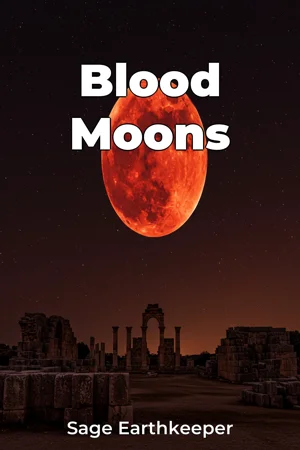
Have celestial events shaped the course of human history and prophecy? "Blood Moons" delves into the multifaceted significance of lunar eclipses, exploring their symbolic meanings, prophetic interpretations, and cultural impact across civilizations. This book examines how these dramatic celestial events have resonated throughout history, influencing religious beliefs, shaping societal behavior, and even driving pivotal historical moments. The book centers around three key themes: the astronomical understanding of lunar eclipses; their interpretation within diverse cultural and religious contexts, especially Biblical prophecy; and their role as perceived omens and harbingers of change. We will explore how different societies, from ancient Mesopotamia to modern-day religious movements, have understood and reacted to these striking phenomena. It is important to understand the basic mechanics of lunar eclipses—the alignment of the Earth, Sun, and Moon—before delving into their more esoteric interpretations. The central argument of "Blood Moons" is that interpretations of lunar eclipses, particularly "blood moons" characterized by a reddish hue, provide a unique lens through which to understand the intersection of human psychology, cultural narratives, and perceived divine intervention. The book posits that regardless of their actual predictive power, beliefs surrounding these events have demonstrably impacted human actions and historical trajectories. The book is structured in three parts. The first section introduces the astronomical realities of lunar eclipses, detailing the mechanics of their occurrence and their predictable nature. It then transitions to an exploration of various cultural interpretations, focusing on ancient civilizations and their mythologies. Finally, the book culminates with an examination of the resurgence of "blood moon" prophecies in modern times, particularly within certain interpretations of Biblical eschatology, analyzing the social and political impact of these beliefs. The research presented incorporates historical texts from various cultures, astronomical data, and analyses of contemporary religious movements. It draws from primary source material where available, including ancient chronicles, religious texts, and scientific observations, alongside secondary scholarly analyses of these sources. "Blood Moons" connects to several academic fields, including astronomy, religious studies, anthropology, and history. The astronomical aspect grounds the discussion in empirical science, while religious studies provides a framework for understanding the theological implications. Anthropology offers insights into cultural interpretations, and history provides concrete examples of how eclipses have influenced human events. These interdisciplinary connections enrich the argument by providing a holistic perspective on the phenomenon. This book differentiates itself through its balanced approach, combining scientific accuracy with a nuanced understanding of cultural and religious beliefs. Rather than dismissing prophetic interpretations outright, it examines how and why these beliefs persist and what impact they have on society. The book is written in an accessible style, making it suitable for a broad audience interested in science, religion, and history. The target audience includes individuals with an interest in astronomy, religious prophecy, cultural history, or current events related to end-times beliefs. In line with the conventions of non-fiction, "Blood Moons" presents a well-researched, fact-based analysis, avoiding sensationalism or speculation. While acknowledging the inherent subjectivity of belief systems, the book maintains a neutral tone, allowing readers to draw their conclusions. The scope of "Blood Moons" is limited to the cultural, religious, and prophetic interpretations of lunar eclipses and does not delve into other types of celestial events. This deliberate limitation allows for a more focused and in-depth analysis. Understanding the historical and cultural significance of lunar eclipses can provide readers with a deeper appreciation for the diverse ways in which humans have made sense of the cosmos. By understanding the lens through which others interpret the world, we can foster enriched communication between cultures, while also providing awareness of the potential for significant socio-political events. The book acknowledges the ongoing debate between scientific and religious viewpoints, particularly concerning the interpretation of natural phenomena as signs or portents. By presenting a balanced perspective, "Blood Moons" encourages critical thinking and informed discussion.
Have celestial events shaped the course of human history and prophecy? "Blood Moons" delves into the multifaceted significance of lunar eclipses, exploring their symbolic meanings, prophetic interpretations, and cultural impact across civilizations. This book examines how these dramatic celestial events have resonated throughout history, influencing religious beliefs, shaping societal behavior, and even driving pivotal historical moments. The book centers around three key themes: the astronomical understanding of lunar eclipses; their interpretation within diverse cultural and religious contexts, especially Biblical prophecy; and their role as perceived omens and harbingers of change. We will explore how different societies, from ancient Mesopotamia to modern-day religious movements, have understood and reacted to these striking phenomena. It is important to understand the basic mechanics of lunar eclipses—the alignment of the Earth, Sun, and Moon—before delving into their more esoteric interpretations. The central argument of "Blood Moons" is that interpretations of lunar eclipses, particularly "blood moons" characterized by a reddish hue, provide a unique lens through which to understand the intersection of human psychology, cultural narratives, and perceived divine intervention. The book posits that regardless of their actual predictive power, beliefs surrounding these events have demonstrably impacted human actions and historical trajectories. The book is structured in three parts. The first section introduces the astronomical realities of lunar eclipses, detailing the mechanics of their occurrence and their predictable nature. It then transitions to an exploration of various cultural interpretations, focusing on ancient civilizations and their mythologies. Finally, the book culminates with an examination of the resurgence of "blood moon" prophecies in modern times, particularly within certain interpretations of Biblical eschatology, analyzing the social and political impact of these beliefs. The research presented incorporates historical texts from various cultures, astronomical data, and analyses of contemporary religious movements. It draws from primary source material where available, including ancient chronicles, religious texts, and scientific observations, alongside secondary scholarly analyses of these sources. "Blood Moons" connects to several academic fields, including astronomy, religious studies, anthropology, and history. The astronomical aspect grounds the discussion in empirical science, while religious studies provides a framework for understanding the theological implications. Anthropology offers insights into cultural interpretations, and history provides concrete examples of how eclipses have influenced human events. These interdisciplinary connections enrich the argument by providing a holistic perspective on the phenomenon. This book differentiates itself through its balanced approach, combining scientific accuracy with a nuanced understanding of cultural and religious beliefs. Rather than dismissing prophetic interpretations outright, it examines how and why these beliefs persist and what impact they have on society. The book is written in an accessible style, making it suitable for a broad audience interested in science, religion, and history. The target audience includes individuals with an interest in astronomy, religious prophecy, cultural history, or current events related to end-times beliefs. In line with the conventions of non-fiction, "Blood Moons" presents a well-researched, fact-based analysis, avoiding sensationalism or speculation. While acknowledging the inherent subjectivity of belief systems, the book maintains a neutral tone, allowing readers to draw their conclusions. The scope of "Blood Moons" is limited to the cultural, religious, and prophetic interpretations of lunar eclipses and does not delve into other types of celestial events. This deliberate limitation allows for a more focused and in-depth analysis. Understanding the historical and cultural significance of lunar eclipses can provide readers with a deeper appreciation for the diverse ways in which humans have made sense of the cosmos. By understanding the lens through which others interpret the world, we can foster enriched communication between cultures, while also providing awareness of the potential for significant socio-political events. The book acknowledges the ongoing debate between scientific and religious viewpoints, particularly concerning the interpretation of natural phenomena as signs or portents. By presenting a balanced perspective, "Blood Moons" encourages critical thinking and informed discussion.
"Blood Moons" explores the captivating history and cultural impact of lunar eclipses, particularly "blood moons," revealing how these celestial events have been interpreted as omens and prophecies across different societies. The book examines the astronomical realities behind lunar eclipses and dives into the diverse ways cultures, from ancient civilizations to modern religious movements, have perceived their meaning. Did you know that some cultures believed eclipses were caused by celestial beings devouring the moon? Or that these events have, at times, influenced political decisions? This book uniquely combines scientific explanations with a nuanced understanding of religious and cultural beliefs, avoiding sensationalism while exploring why these beliefs persist. Structured in three parts, "Blood Moons" begins with the astronomy of eclipses, transitions to cultural interpretations, and culminates with an analysis of modern-day prophecies related to blood moons and their impacts. It is a balanced, accessible read for anyone intrigued by the intersection of science, religion, and history.
Book Details
ISBN
9788235220981
Publisher
Publifye AS
Your Licenses
You don't own any licenses for this book
Purchase a license below to unlock this book and download the EPUB.
Purchase License
Select a tier to unlock this book
Need bulk licensing?
Contact us for enterprise agreements.