
About This Book
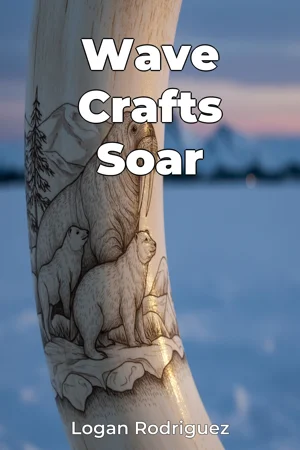
How do ancient artistic traditions survive, and even thrive, in an era of globalization? "Wave Crafts Soar" explores this question through the captivating lens of Inuit art, examining how this historically significant cultural practice is adapting to meet the demands of an increasingly interconnected world while simultaneously preserving its unique identity and inherent values. This book delves into the complex interplay between tradition and innovation, cultural preservation and commercial viability, offering readers a nuanced understanding of the challenges and opportunities facing Inuit artists today. This book’s central argument posits that the ongoing evolution of Inuit art, far from being a sign of cultural dilution, represents a powerful and resilient adaptation strategy. It demonstrates how Inuit artists are skillfully navigating global markets, incorporating new materials, techniques, and themes while remaining deeply connected to their ancestral heritage and the landscapes that inspire them. This argument is vital because it challenges conventional notions of cultural authenticity and provides a framework for understanding how indigenous artistic practices can flourish in the 21st century. "Wave Crafts Soar" begins by introducing the rich history of Inuit art, tracing its origins in functional tools and spiritual objects crafted from bone, stone, and ivory. It provides essential context for understanding the deep cultural significance embedded within these artistic expressions. The core of the book is structured around three major themes. First, it examines the evolving forms and mediums of Inuit art, showcasing how artists are incorporating contemporary materials like acrylics, textiles, and digital media into their work. Second, the book explores the impact of globalization and the art market on Inuit art production, analyzing the dynamics of supply and demand, the role of cooperatives and galleries, and the challenges of ethical sourcing and representation. Third, "Wave Crafts Soar" investigates the ways in which Inuit artists are using their work to address contemporary social and environmental issues, from climate change and resource extraction to cultural revitalization and political advocacy. The book culminates by considering the future of Inuit art, highlighting the importance of intergenerational knowledge transfer, community-based arts education, and sustainable economic development strategies for ensuring the continued vitality of this unique cultural heritage. The evidence presented in "Wave Crafts Soar" draws upon a range of sources, including interviews with Inuit artists, art historians, and community leaders; analyses of art market data and exhibition catalogues; and ethnographic research conducted in Inuit communities across the Arctic. The book also incorporates visual documentation of Inuit art, showcasing the diversity and innovation of contemporary artistic practices. This work connects to several interdisciplinary fields, including anthropology, economics, and environmental studies. The anthropological perspective provides insights into the cultural and social contexts of Inuit art production. The economic analysis sheds light on the market dynamics and the challenges of fair trade. And the connection to environmental studies highlights the role of art in raising awareness about climate change and its impact on the Arctic. "Wave Crafts Soar" distinguishes itself through its focus on the agency and resilience of Inuit artists in the face of globalization. It avoids romanticizing or essentializing Inuit culture, instead presenting a nuanced and dynamic portrait of a living artistic tradition. The book adopts a conversational yet informed tone, making it accessible to a broad readership while maintaining scholarly rigor. The target audience includes students and scholars of art history, anthropology, and indigenous studies, as well as art collectors, museum professionals, and anyone interested in learning more about Inuit culture and the challenges of cultural preservation in a globalized world. The book's blend of historical context, contemporary analysis, and artistic appreciation will appeal to a wide range of readers. As a work of social science and art, "Wave Crafts Soar" adheres to conventions of rigorous research, clear argumentation, and respectful representation. While the book provides a broad overview of Inuit art, it acknowledges the limitations of its scope and its focus on specific communities and artistic practices. The insights presented in "Wave Crafts Soar" have practical applications for policymakers, arts administrators, and community leaders working to support Inuit artists and promote cultural sustainability. The book offers valuable lessons about the importance of cultural self-determination, ethical art market practices, and community-based development strategies. The book also touches on the debates surrounding cultural appropriation in art.
How do ancient artistic traditions survive, and even thrive, in an era of globalization? "Wave Crafts Soar" explores this question through the captivating lens of Inuit art, examining how this historically significant cultural practice is adapting to meet the demands of an increasingly interconnected world while simultaneously preserving its unique identity and inherent values. This book delves into the complex interplay between tradition and innovation, cultural preservation and commercial viability, offering readers a nuanced understanding of the challenges and opportunities facing Inuit artists today. This book’s central argument posits that the ongoing evolution of Inuit art, far from being a sign of cultural dilution, represents a powerful and resilient adaptation strategy. It demonstrates how Inuit artists are skillfully navigating global markets, incorporating new materials, techniques, and themes while remaining deeply connected to their ancestral heritage and the landscapes that inspire them. This argument is vital because it challenges conventional notions of cultural authenticity and provides a framework for understanding how indigenous artistic practices can flourish in the 21st century. "Wave Crafts Soar" begins by introducing the rich history of Inuit art, tracing its origins in functional tools and spiritual objects crafted from bone, stone, and ivory. It provides essential context for understanding the deep cultural significance embedded within these artistic expressions. The core of the book is structured around three major themes. First, it examines the evolving forms and mediums of Inuit art, showcasing how artists are incorporating contemporary materials like acrylics, textiles, and digital media into their work. Second, the book explores the impact of globalization and the art market on Inuit art production, analyzing the dynamics of supply and demand, the role of cooperatives and galleries, and the challenges of ethical sourcing and representation. Third, "Wave Crafts Soar" investigates the ways in which Inuit artists are using their work to address contemporary social and environmental issues, from climate change and resource extraction to cultural revitalization and political advocacy. The book culminates by considering the future of Inuit art, highlighting the importance of intergenerational knowledge transfer, community-based arts education, and sustainable economic development strategies for ensuring the continued vitality of this unique cultural heritage. The evidence presented in "Wave Crafts Soar" draws upon a range of sources, including interviews with Inuit artists, art historians, and community leaders; analyses of art market data and exhibition catalogues; and ethnographic research conducted in Inuit communities across the Arctic. The book also incorporates visual documentation of Inuit art, showcasing the diversity and innovation of contemporary artistic practices. This work connects to several interdisciplinary fields, including anthropology, economics, and environmental studies. The anthropological perspective provides insights into the cultural and social contexts of Inuit art production. The economic analysis sheds light on the market dynamics and the challenges of fair trade. And the connection to environmental studies highlights the role of art in raising awareness about climate change and its impact on the Arctic. "Wave Crafts Soar" distinguishes itself through its focus on the agency and resilience of Inuit artists in the face of globalization. It avoids romanticizing or essentializing Inuit culture, instead presenting a nuanced and dynamic portrait of a living artistic tradition. The book adopts a conversational yet informed tone, making it accessible to a broad readership while maintaining scholarly rigor. The target audience includes students and scholars of art history, anthropology, and indigenous studies, as well as art collectors, museum professionals, and anyone interested in learning more about Inuit culture and the challenges of cultural preservation in a globalized world. The book's blend of historical context, contemporary analysis, and artistic appreciation will appeal to a wide range of readers. As a work of social science and art, "Wave Crafts Soar" adheres to conventions of rigorous research, clear argumentation, and respectful representation. While the book provides a broad overview of Inuit art, it acknowledges the limitations of its scope and its focus on specific communities and artistic practices. The insights presented in "Wave Crafts Soar" have practical applications for policymakers, arts administrators, and community leaders working to support Inuit artists and promote cultural sustainability. The book offers valuable lessons about the importance of cultural self-determination, ethical art market practices, and community-based development strategies. The book also touches on the debates surrounding cultural appropriation in art.
"Wave Crafts Soar" explores the dynamic world of Inuit art, demonstrating how this cultural heritage navigates globalization while preserving its unique identity. The book examines how Inuit artists adapt to global demands, using new materials and techniques, while staying connected to their ancestral heritage. It argues that this evolution is not cultural dilution but a resilient adaptation strategy. The book progresses by first establishing the historical context of Inuit art. It then examines the evolving forms and mediums, impact of globalization and the art market, and the ways in which artists address contemporary social and environmental issues. One intriguing fact is how Inuit artists are incorporating materials like acrylics and digital media into their work, blending tradition with innovation. Another insight is the exploration of the ethical challenges within the art market, ensuring fair representation and sourcing. The book provides a nuanced understanding of cultural preservation and the economic realities facing Inuit artists today.
Book Details
ISBN
9788235220783
Publisher
Publifye AS
Your Licenses
You don't own any licenses for this book
Purchase a license below to unlock this book and download the EPUB.
Purchase License
Select a tier to unlock this book
Need bulk licensing?
Contact us for enterprise agreements.