
About This Book
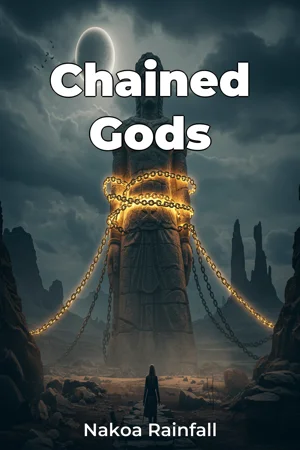
What happens when the gods themselves are not all-powerful, when they are subject to imprisonment, banishment, or restraint? "Chained Gods" explores the fascinating and often overlooked phenomenon of deities who suffer limitations on their freedom and power, revealing how these narratives shape our understanding of religion, history, cosmic balance, and the very nature of divinity. The book delves into the myths and historical contexts surrounding these figures, analyzing their roles in shaping religious beliefs, social structures, and cultural values. This book addresses the central argument that stories of imprisoned or restrained deities are not merely anomalies in mythology but rather crucial elements that reflect deep-seated anxieties about power, justice, and the precariousness of cosmic order. The imprisonment of a deity, for example, can represent a challenge to established hierarchies, a period of chaos and transition, or even a reflection of societal anxieties about the control and abuse of power. This argument's importance lies in its potential to reframe our understanding of mythology, moving beyond simplistic interpretations of good versus evil to recognize the complex interplay of power dynamics, social commentary, and existential questioning embedded within these narratives. "Chained Gods" begins by introducing key concepts such as the nature of divine power, the symbolism of imprisonment and restraint, and the historical contexts in which these myths arose. It then develops these ideas in three major sections. The first section examines specific examples of chained gods from diverse mythologies. This includes figures like Loki in Norse mythology, Prometheus in Greek mythology, and various deities from other pantheons whose stories involve confinement or restriction. The second section analyzes the common themes and motifs that emerge across these different cultural contexts. These motifs include themes of rebellion, sacrifice, cosmic balance, and the cyclical nature of power. The final section explores the social and historical implications of these myths, examining how they have been used to legitimize or challenge existing power structures and social norms. The evidence presented in "Chained Gods" will be drawn from a wide range of sources, including primary texts such as ancient religious writings, myths, and folklore, as well as secondary scholarship in the fields of religious studies, mythology, history, and anthropology. Unique data sources will include comparative analyses of different versions of the same myths across various cultures, as well as examinations of the artistic and archaeological evidence associated with these deities. "Chained Gods" connects to several other fields of study. Firstly, it overlaps with political science by exploring the themes of power, authority, and rebellion embedded in these myths. Secondly, it connects to sociology by examining how these narratives reflect and reinforce social norms and values. Thirdly, it intersects with psychology by probing the underlying anxieties and desires that these myths express. This book offers a unique perspective by focusing specifically on the theme of divine imprisonment and restraint. It stands out by bringing together diverse mythological traditions and offering a comparative analysis that reveals the universality of certain themes and motifs. The tone of "Chained Gods" is academic yet accessible, aiming to present complex ideas in a clear and engaging manner that will appeal to a broad audience. The target audience for "Chained Gods" includes students and scholars of religious studies, mythology, history, and anthropology, as well as general readers who are interested in exploring the deeper meanings of myths and religious narratives. This book would be valuable to them because it offers fresh perspectives on familiar stories and sheds light on the complex relationship between power, religion, and society. As a work of non-fiction in the genres of religion and history, "Chained Gods" adheres to scholarly standards of accuracy, objectivity, and evidence-based reasoning. While the book covers a broad range of mythological traditions, its scope is limited to those deities whose stories explicitly involve imprisonment, banishment, or restraint. This focus allows for a more in-depth analysis of the chosen examples and avoids the pitfalls of attempting to be encyclopedic. The information presented in "Chained Gods" has real-world applications in understanding contemporary issues such as political resistance, social justice movements, and the critique of authority. By examining how these themes have been explored in mythology, readers can gain new insights into the dynamics of power and the human struggle for freedom. "Chained Gods" will inevitably touch on controversies surrounding interpretations of ancient texts, and in the varying accounts and beliefs regarding the nature and actions of deities throughout history. The aim isn't to resolve these conflicts, but present them fairly and objectively.
What happens when the gods themselves are not all-powerful, when they are subject to imprisonment, banishment, or restraint? "Chained Gods" explores the fascinating and often overlooked phenomenon of deities who suffer limitations on their freedom and power, revealing how these narratives shape our understanding of religion, history, cosmic balance, and the very nature of divinity. The book delves into the myths and historical contexts surrounding these figures, analyzing their roles in shaping religious beliefs, social structures, and cultural values. This book addresses the central argument that stories of imprisoned or restrained deities are not merely anomalies in mythology but rather crucial elements that reflect deep-seated anxieties about power, justice, and the precariousness of cosmic order. The imprisonment of a deity, for example, can represent a challenge to established hierarchies, a period of chaos and transition, or even a reflection of societal anxieties about the control and abuse of power. This argument's importance lies in its potential to reframe our understanding of mythology, moving beyond simplistic interpretations of good versus evil to recognize the complex interplay of power dynamics, social commentary, and existential questioning embedded within these narratives. "Chained Gods" begins by introducing key concepts such as the nature of divine power, the symbolism of imprisonment and restraint, and the historical contexts in which these myths arose. It then develops these ideas in three major sections. The first section examines specific examples of chained gods from diverse mythologies. This includes figures like Loki in Norse mythology, Prometheus in Greek mythology, and various deities from other pantheons whose stories involve confinement or restriction. The second section analyzes the common themes and motifs that emerge across these different cultural contexts. These motifs include themes of rebellion, sacrifice, cosmic balance, and the cyclical nature of power. The final section explores the social and historical implications of these myths, examining how they have been used to legitimize or challenge existing power structures and social norms. The evidence presented in "Chained Gods" will be drawn from a wide range of sources, including primary texts such as ancient religious writings, myths, and folklore, as well as secondary scholarship in the fields of religious studies, mythology, history, and anthropology. Unique data sources will include comparative analyses of different versions of the same myths across various cultures, as well as examinations of the artistic and archaeological evidence associated with these deities. "Chained Gods" connects to several other fields of study. Firstly, it overlaps with political science by exploring the themes of power, authority, and rebellion embedded in these myths. Secondly, it connects to sociology by examining how these narratives reflect and reinforce social norms and values. Thirdly, it intersects with psychology by probing the underlying anxieties and desires that these myths express. This book offers a unique perspective by focusing specifically on the theme of divine imprisonment and restraint. It stands out by bringing together diverse mythological traditions and offering a comparative analysis that reveals the universality of certain themes and motifs. The tone of "Chained Gods" is academic yet accessible, aiming to present complex ideas in a clear and engaging manner that will appeal to a broad audience. The target audience for "Chained Gods" includes students and scholars of religious studies, mythology, history, and anthropology, as well as general readers who are interested in exploring the deeper meanings of myths and religious narratives. This book would be valuable to them because it offers fresh perspectives on familiar stories and sheds light on the complex relationship between power, religion, and society. As a work of non-fiction in the genres of religion and history, "Chained Gods" adheres to scholarly standards of accuracy, objectivity, and evidence-based reasoning. While the book covers a broad range of mythological traditions, its scope is limited to those deities whose stories explicitly involve imprisonment, banishment, or restraint. This focus allows for a more in-depth analysis of the chosen examples and avoids the pitfalls of attempting to be encyclopedic. The information presented in "Chained Gods" has real-world applications in understanding contemporary issues such as political resistance, social justice movements, and the critique of authority. By examining how these themes have been explored in mythology, readers can gain new insights into the dynamics of power and the human struggle for freedom. "Chained Gods" will inevitably touch on controversies surrounding interpretations of ancient texts, and in the varying accounts and beliefs regarding the nature and actions of deities throughout history. The aim isn't to resolve these conflicts, but present them fairly and objectively.
"Chained Gods" explores the captivating theme of deities who face limitations on their power, such as imprisonment or banishment. It examines how these narratives reveal anxieties about power, justice, and cosmic order. The book argues that these stories are not mere mythological anomalies but reflect deep-seated societal concerns. For example, the imprisonment of gods like Loki or Prometheus can symbolize challenges to established hierarchies or periods of chaos. The book begins by introducing the nature of divine power and the symbolism of imprisonment. It then progresses through three sections: examining specific examples of chained gods across diverse mythologies, analyzing common themes like rebellion and sacrifice, and exploring the social and historical implications of these myths. By focusing on the theme of divine imprisonment and restraint, "Chained Gods" offers a unique perspective, bridging religious studies, history, and mythology to appeal to anyone interested in the complex relationship between power, religion, and society.
Book Details
ISBN
9788235220776
Publisher
Publifye AS
Your Licenses
You don't own any licenses for this book
Purchase a license below to unlock this book and download the EPUB.
Purchase License
Select a tier to unlock this book
Need bulk licensing?
Contact us for enterprise agreements.