
About This Book
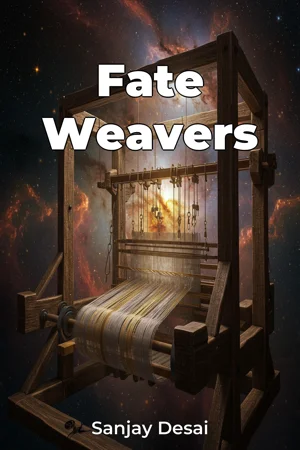
Have you ever wondered about the forces that shape our lives, the unseen hands that guide us toward our destinies? "Fate Weavers" delves into the captivating realm of mythological figures who control destiny and explores how the concept of fate has been depicted across diverse cultures and throughout history. This book examines the pervasive human fascination with fate, its origins in ancient belief systems, and its enduring influence on art, literature, and philosophy. This exploration centers on two crucial concepts: the deification of fate and the narrative interpretations of destiny. The deification of fate involves examining the various deities and mythological beings across cultures who were believed to control human destiny, such as the Moirai in Greek mythology, the Norns in Norse mythology, and similar figures in other cultures. Understanding these deities provides insight into how different societies conceptualized the forces governing their lives. The narrative interpretations of destiny analyze how fate has been portrayed in stories, myths, and epics, revealing how these narratives reflect cultural anxieties, hopes, and beliefs about the human condition. To comprehend these concepts fully, "Fate Weavers" provides essential historical and religious context, exploring the development of these belief systems from ancient times to the present day. A basic familiarity with mythology and religious studies is helpful but not required, as the book provides clear explanations of key terms and concepts. The central argument of "Fate Weavers" is that the human preoccupation with fate reveals profound insights into our understanding of mortality, free will, and the search for meaning. By examining how different cultures have envisioned the forces that shape our lives, we gain a deeper appreciation of the human experience and the eternal questions that have haunted humanity since the dawn of civilization. The book is structured to offer a comprehensive exploration of this topic. Initially, it introduces the concept of fate and its significance in human history and culture. Then, it explores several major mythological traditions, analyzing the deities and figures associated with destiny in each. This section examines the Greek Moirai, the Norse Norns, and other comparable figures from Egyptian, Roman, and Eastern mythologies. It further develops these ideas by analyzing literary and artistic depictions of fate, focusing on iconic narratives such as the Oedipus myth, Shakespearean tragedies, and other significant works. Finally, "Fate Weavers" culminates by considering the modern implications of these ancient beliefs, examining how the concept of fate continues to influence contemporary thought and culture. The arguments presented in "Fate Weavers" are supported by a wide range of evidence, including textual analysis of primary sources, comparative mythology, historical scholarship, and art history. The book draws on original translations of ancient texts, archaeological findings, and critical analyses of literary and artistic works to provide a well-supported and nuanced understanding of the subject. The book's interdisciplinary nature connects it to several fields, including religious studies, literature, and philosophy. It enhances its argument by drawing insights from theology, literary criticism, and philosophical discussions of free will and determinism. "Fate Weavers" offers a unique perspective by comparing and contrasting the various cultural interpretations of fate, revealing common themes and distinctive features across different traditions. Its tone is academic yet accessible, aiming to engage both scholars and general readers with an interest in mythology, religion, and history. "Fate Weavers" is intended for anyone intrigued by mythology, religious beliefs, or the concept of fate. It will appeal to students, researchers, and general readers interested in understanding the cultural and historical roots of our anxieties and aspirations. The book's scope is broad, covering a wide range of cultures and historical periods; however, it is limited to examining the major mythological and literary traditions, focusing on the most influential depictions of fate. The information in "Fate Weavers" can be applied practically by helping readers gain a better historical and cultural awareness, improving their understanding of fate and destiny and offering new perspectives on life and death. It also addresses common misconceptions regarding fate, distinguishing between fatalism and the more nuanced concept of destiny as a complex interplay of factors. By offering a comprehensive overview and a nuanced analysis, "Fate Weavers" contributes to a deeper understanding of human culture and the enduring quest to comprehend our place in the universe.
Have you ever wondered about the forces that shape our lives, the unseen hands that guide us toward our destinies? "Fate Weavers" delves into the captivating realm of mythological figures who control destiny and explores how the concept of fate has been depicted across diverse cultures and throughout history. This book examines the pervasive human fascination with fate, its origins in ancient belief systems, and its enduring influence on art, literature, and philosophy. This exploration centers on two crucial concepts: the deification of fate and the narrative interpretations of destiny. The deification of fate involves examining the various deities and mythological beings across cultures who were believed to control human destiny, such as the Moirai in Greek mythology, the Norns in Norse mythology, and similar figures in other cultures. Understanding these deities provides insight into how different societies conceptualized the forces governing their lives. The narrative interpretations of destiny analyze how fate has been portrayed in stories, myths, and epics, revealing how these narratives reflect cultural anxieties, hopes, and beliefs about the human condition. To comprehend these concepts fully, "Fate Weavers" provides essential historical and religious context, exploring the development of these belief systems from ancient times to the present day. A basic familiarity with mythology and religious studies is helpful but not required, as the book provides clear explanations of key terms and concepts. The central argument of "Fate Weavers" is that the human preoccupation with fate reveals profound insights into our understanding of mortality, free will, and the search for meaning. By examining how different cultures have envisioned the forces that shape our lives, we gain a deeper appreciation of the human experience and the eternal questions that have haunted humanity since the dawn of civilization. The book is structured to offer a comprehensive exploration of this topic. Initially, it introduces the concept of fate and its significance in human history and culture. Then, it explores several major mythological traditions, analyzing the deities and figures associated with destiny in each. This section examines the Greek Moirai, the Norse Norns, and other comparable figures from Egyptian, Roman, and Eastern mythologies. It further develops these ideas by analyzing literary and artistic depictions of fate, focusing on iconic narratives such as the Oedipus myth, Shakespearean tragedies, and other significant works. Finally, "Fate Weavers" culminates by considering the modern implications of these ancient beliefs, examining how the concept of fate continues to influence contemporary thought and culture. The arguments presented in "Fate Weavers" are supported by a wide range of evidence, including textual analysis of primary sources, comparative mythology, historical scholarship, and art history. The book draws on original translations of ancient texts, archaeological findings, and critical analyses of literary and artistic works to provide a well-supported and nuanced understanding of the subject. The book's interdisciplinary nature connects it to several fields, including religious studies, literature, and philosophy. It enhances its argument by drawing insights from theology, literary criticism, and philosophical discussions of free will and determinism. "Fate Weavers" offers a unique perspective by comparing and contrasting the various cultural interpretations of fate, revealing common themes and distinctive features across different traditions. Its tone is academic yet accessible, aiming to engage both scholars and general readers with an interest in mythology, religion, and history. "Fate Weavers" is intended for anyone intrigued by mythology, religious beliefs, or the concept of fate. It will appeal to students, researchers, and general readers interested in understanding the cultural and historical roots of our anxieties and aspirations. The book's scope is broad, covering a wide range of cultures and historical periods; however, it is limited to examining the major mythological and literary traditions, focusing on the most influential depictions of fate. The information in "Fate Weavers" can be applied practically by helping readers gain a better historical and cultural awareness, improving their understanding of fate and destiny and offering new perspectives on life and death. It also addresses common misconceptions regarding fate, distinguishing between fatalism and the more nuanced concept of destiny as a complex interplay of factors. By offering a comprehensive overview and a nuanced analysis, "Fate Weavers" contributes to a deeper understanding of human culture and the enduring quest to comprehend our place in the universe.
"Fate Weavers" explores humanity’s enduring fascination with fate and destiny through the lens of mythology and cultural history. Examining ancient beliefs, the book focuses on the deification of fate, spotlighting mythological figures like the Greek Moirai and Norse Norns who were believed to control human destinies. These figures provide insight into how different societies conceptualized the forces governing their lives, revealing cultural anxieties, hopes, and beliefs about the human condition. The book also analyzes narrative interpretations of destiny, looking at how fate is portrayed in stories and epics. It traces the concept of fate from ancient times to the present day, providing essential historical and religious contexts. "Fate Weavers" argues that our preoccupation with fate reveals profound insights into our understanding of mortality and the search for meaning. Structured to offer a comprehensive exploration, the book begins by introducing the concept of fate. It then explores major mythological traditions, analyzing deities and figures associated with destiny, and culminates by considering the modern implications of these ancient beliefs. This approach offers readers a unique perspective by comparing and contrasting various cultural interpretations of fate, revealing common themes and distinctive features across different traditions.
Book Details
ISBN
9788235220707
Publisher
Publifye AS
Your Licenses
You don't own any licenses for this book
Purchase a license below to unlock this book and download the EPUB.
Purchase License
Select a tier to unlock this book
Need bulk licensing?
Contact us for enterprise agreements.