
About This Book
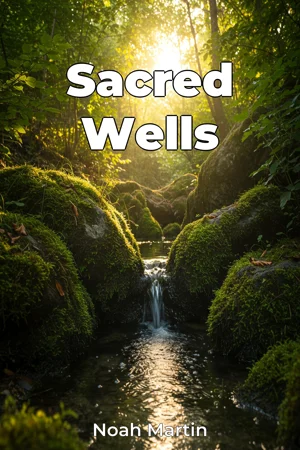
Water, the essence of life, has long held a sacred place in human history. But what is it about holy wells and sacred springs that continues to draw pilgrims and seekers to their waters? *Sacred Wells* delves into the rich tapestry of legends, folklore, and historical practices surrounding these water sources, exploring their enduring significance as sites of healing and spiritual purification. This book investigates the multifaceted role of holy wells across various cultures and time periods. First, it examines the recurring themes and motifs found in the folklore associated with these sites, such as guardian spirits, miraculous cures, and connections to local saints or deities. Second, it analyzes the ritual practices – offerings, prayers, immersions – that have been performed at wells for centuries. Finally, it explores the potential psychological and physiological effects of interacting with these spaces, considering both the placebo effect and possible scientific explanations for perceived healing properties. Understanding the reverence for water necessitates recognizing its vital role in early civilizations and belief systems. From ancient Mesopotamian rituals to Celtic water worship, springs and wells were often perceived as portals to the Otherworld, imbued with divine power. This book traces the evolution of these beliefs through the rise of organized religions that often integrated or adapted pre-existing sacred sites, giving context to the syncretic traditions found at many wells today. The central argument is that the persistent reverence for holy wells stems from a complex interplay of factors: deeply ingrained cultural beliefs, the tangible experience of nature’s power, and the human need for connection to something greater than oneself. The book posits that these sites offer a unique lens through which to understand the intersection of spirituality, community, and landscape. The book proceeds in three major sections. The first introduces core concepts of water veneration, outlining the historical and mythological background across various cultures and exploring common archetypes associated with wells. The second section features case studies of specific wells and springs from different geographic regions, documenting their associated legends, rituals, and perceived healing properties. The final section synthesizes these findings, analyzing the psychological and sociological dimensions of well veneration and considering the implications for modern spiritual practices, and environmental conservation. The arguments presented are supported by a wide range of sources, including historical texts, folklore collections, ethnographic studies, and on-site observations. The methodology includes comparative analysis of myths and rituals, examination of historical and archaeological evidence, and analysis of contemporary accounts of well visits. The book draws data from previously unpublished local folklore collections, offering a unique perspective from lesser-known traditions. This exploration of sacred wells naturally connects to archaeology through the study of ancient well construction and ritual deposits, to anthropology through the examination of cross-cultural beliefs about water spirits and healing, and to psychology through the analysis of the placebo effect and the role of belief in healing processes The interdisciplinary approach enriches the book's argument by providing a holistic understanding of the subject matter. A unique aspect of *Sacred Wells* is its emphasis on the embodied experience of visiting these sites. It considers not only the intellectual understanding of folklore and history but also the sensory experience of being present at a well, listening to the water, feeling the earth underfoot, and connecting with the natural environment, adding a new layer of investigation to the existing body of knowledge. Written in a style accessible to a broad audience, *Sacred Wells* avoids academic jargon while maintaining scholarly rigor. The tone balances respect for traditional beliefs with critical analysis, aiming to provide a balanced and insightful perspective. The book is targeted at readers interested in folklore, mythology, religious studies, and alternative spirituality, and also to individuals who enjoy exploring sacred sites and connecting with nature, providing value by deepening their understanding of these potent locations. This book conforms to expectations of the spirituality and religion genres by presenting factual information, and respecting diverse belief systems. While the book covers a wide range of geographic locations and historical periods, it does not attempt to provide an exhaustive catalog of every holy well in the world; instead, it focuses on representative examples that illustrate key themes and patterns. The information presented in *Sacred Wells* can be applied practically by readers who wish to deepen their own spiritual practices, engage with the natural world in a more meaningful way, or become more informed stewards of these sacred sites. The book also touches on the controversies of water rights and access to sacred spaces, inviting reflection and action on these important contemporary issues.
Water, the essence of life, has long held a sacred place in human history. But what is it about holy wells and sacred springs that continues to draw pilgrims and seekers to their waters? *Sacred Wells* delves into the rich tapestry of legends, folklore, and historical practices surrounding these water sources, exploring their enduring significance as sites of healing and spiritual purification. This book investigates the multifaceted role of holy wells across various cultures and time periods. First, it examines the recurring themes and motifs found in the folklore associated with these sites, such as guardian spirits, miraculous cures, and connections to local saints or deities. Second, it analyzes the ritual practices – offerings, prayers, immersions – that have been performed at wells for centuries. Finally, it explores the potential psychological and physiological effects of interacting with these spaces, considering both the placebo effect and possible scientific explanations for perceived healing properties. Understanding the reverence for water necessitates recognizing its vital role in early civilizations and belief systems. From ancient Mesopotamian rituals to Celtic water worship, springs and wells were often perceived as portals to the Otherworld, imbued with divine power. This book traces the evolution of these beliefs through the rise of organized religions that often integrated or adapted pre-existing sacred sites, giving context to the syncretic traditions found at many wells today. The central argument is that the persistent reverence for holy wells stems from a complex interplay of factors: deeply ingrained cultural beliefs, the tangible experience of nature’s power, and the human need for connection to something greater than oneself. The book posits that these sites offer a unique lens through which to understand the intersection of spirituality, community, and landscape. The book proceeds in three major sections. The first introduces core concepts of water veneration, outlining the historical and mythological background across various cultures and exploring common archetypes associated with wells. The second section features case studies of specific wells and springs from different geographic regions, documenting their associated legends, rituals, and perceived healing properties. The final section synthesizes these findings, analyzing the psychological and sociological dimensions of well veneration and considering the implications for modern spiritual practices, and environmental conservation. The arguments presented are supported by a wide range of sources, including historical texts, folklore collections, ethnographic studies, and on-site observations. The methodology includes comparative analysis of myths and rituals, examination of historical and archaeological evidence, and analysis of contemporary accounts of well visits. The book draws data from previously unpublished local folklore collections, offering a unique perspective from lesser-known traditions. This exploration of sacred wells naturally connects to archaeology through the study of ancient well construction and ritual deposits, to anthropology through the examination of cross-cultural beliefs about water spirits and healing, and to psychology through the analysis of the placebo effect and the role of belief in healing processes The interdisciplinary approach enriches the book's argument by providing a holistic understanding of the subject matter. A unique aspect of *Sacred Wells* is its emphasis on the embodied experience of visiting these sites. It considers not only the intellectual understanding of folklore and history but also the sensory experience of being present at a well, listening to the water, feeling the earth underfoot, and connecting with the natural environment, adding a new layer of investigation to the existing body of knowledge. Written in a style accessible to a broad audience, *Sacred Wells* avoids academic jargon while maintaining scholarly rigor. The tone balances respect for traditional beliefs with critical analysis, aiming to provide a balanced and insightful perspective. The book is targeted at readers interested in folklore, mythology, religious studies, and alternative spirituality, and also to individuals who enjoy exploring sacred sites and connecting with nature, providing value by deepening their understanding of these potent locations. This book conforms to expectations of the spirituality and religion genres by presenting factual information, and respecting diverse belief systems. While the book covers a wide range of geographic locations and historical periods, it does not attempt to provide an exhaustive catalog of every holy well in the world; instead, it focuses on representative examples that illustrate key themes and patterns. The information presented in *Sacred Wells* can be applied practically by readers who wish to deepen their own spiritual practices, engage with the natural world in a more meaningful way, or become more informed stewards of these sacred sites. The book also touches on the controversies of water rights and access to sacred spaces, inviting reflection and action on these important contemporary issues.
Water, the essence of life, has long been revered, and *Sacred Wells* explores the enduring allure of holy wells and sacred springs. These sites, steeped in folklore and legends, have historically served as focal points for healing and spiritual purification across diverse cultures. The book investigates recurring motifs like guardian spirits and miraculous cures, while also examining the rituals performed at these wells, such as offerings and immersions. Understanding water's sacred significance requires examining its role in early civilizations. From ancient water worship to the integration of sacred sites into organized religions, wells were often seen as portals to the Otherworld. This book traces the evolution of these beliefs, analyzing the psychological and sociological dimensions of well veneration. It uniquely emphasizes the embodied experience of visiting these sites, considering the sensory connection with nature alongside intellectual understanding. The book progresses through three sections: an introduction to water veneration, case studies of specific wells across different regions, and a synthesis of findings on the psychological and sociological aspects of well veneration. By blending historical texts, folklore, and on-site observations, *Sacred Wells* provides a holistic understanding of these potent locations, appealing to those interested in folklore, religious studies, and alternative spirituality.
Book Details
ISBN
9788235220516
Publisher
Publifye AS
Your Licenses
You don't own any licenses for this book
Purchase a license below to unlock this book and download the EPUB.
Purchase License
Select a tier to unlock this book
Need bulk licensing?
Contact us for enterprise agreements.