
About This Book
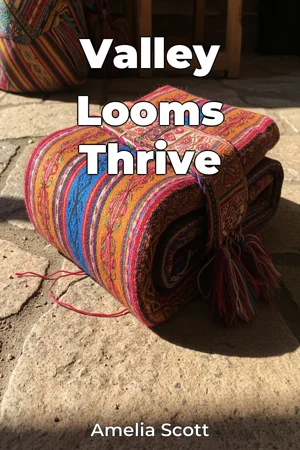
Can the ancient art of Andean weaving find new life and economic viability in the digital age? "Valley Looms Thrive" explores the burgeoning online market for traditional Andean textiles, examining how e-commerce platforms are reshaping the economic landscape for indigenous artisans and their communities. This book delves into the complex intersection of cultural preservation, economic development, and digital technology in the Andean region, focusing on the challenges and opportunities presented by online sales. The book's central argument is that while online platforms offer significant potential for expanding the market reach of Andean weavers and increasing their income, realizing this potential requires addressing critical issues such as digital literacy, fair trade practices, and the protection of intellectual property rights for traditional designs. Weaving, deeply embedded in Andean culture for millennia, represents not only an artistic expression but also a cornerstone of economic stability for many families. The rise of online marketplaces presents a transformative shift from local markets and tourism-based sales to a global audience. "Valley Looms Thrive" is structured in three major parts. The first section introduces the historical and cultural context of Andean weaving, tracing its evolution from pre-Columbian times to the present day, with an emphasis on its role in community identity and economic sustainability. It also examines the traditional methods and materials used in weaving, highlighting the knowledge and skills passed down through generations. The second section analyzes the impact of online platforms on Andean weaving sales, examining the experiences of weavers who have embraced e-commerce, and the challenges they have faced, including navigating platform fees, addressing language barriers, and competing with mass-produced imitations. This section features case studies of successful online ventures and initiatives that support indigenous weavers. The third section explores the ethical and practical considerations of selling Andean textiles online, focusing on issues such as fair pricing, cultural appropriation, and the need for regulatory frameworks to protect weavers' rights and promote sustainable practices. It proposes strategies for fostering a more equitable and culturally sensitive online marketplace. The evidence presented in the book is drawn from a variety of sources, including interviews with Andean weavers, data from online marketplaces, and analysis of relevant economic and trade policies. We employ a mixed-methods approach, combining qualitative insights from ethnographic research with quantitative data on sales trends and market dynamics. Unique data sources include firsthand accounts from weaving cooperatives and analyses of online platform algorithms impacting product visibility. This book connects to several other fields, including anthropology, business, and technology. From an anthropological perspective, it examines the cultural significance of weaving and the impact of globalization on indigenous communities. From a business perspective, it analyzes the dynamics of online markets and the strategies for promoting ethical and sustainable business practices. From a technological perspective, it explores the potential of digital tools to empower artisans and preserve cultural heritage. "Valley Looms Thrive" adopts a conversational yet informed tone, aiming to engage both academic and general readers interested in the intersection of culture, economics, and technology. The target audience includes students and scholars in fields such as anthropology, economics, and Latin American studies, as well as entrepreneurs, policymakers, and anyone interested in supporting fair trade and cultural preservation. The book's scope is limited to Andean weaving sold online, but the insights and recommendations offered have broader implications for other indigenous crafts and cultural products. The information in this book can be applied by readers involved in fair trade initiatives, policymakers seeking to promote sustainable economic development, and entrepreneurs looking to create socially responsible businesses. Ongoing debates in the field include the extent to which online platforms can truly empower marginalized communities and the best approaches for protecting cultural heritage in the digital age. "Valley Looms Thrive" contributes to these debates by providing a nuanced and evidence-based analysis of the challenges and opportunities facing Andean weavers in the online marketplace.
Can the ancient art of Andean weaving find new life and economic viability in the digital age? "Valley Looms Thrive" explores the burgeoning online market for traditional Andean textiles, examining how e-commerce platforms are reshaping the economic landscape for indigenous artisans and their communities. This book delves into the complex intersection of cultural preservation, economic development, and digital technology in the Andean region, focusing on the challenges and opportunities presented by online sales. The book's central argument is that while online platforms offer significant potential for expanding the market reach of Andean weavers and increasing their income, realizing this potential requires addressing critical issues such as digital literacy, fair trade practices, and the protection of intellectual property rights for traditional designs. Weaving, deeply embedded in Andean culture for millennia, represents not only an artistic expression but also a cornerstone of economic stability for many families. The rise of online marketplaces presents a transformative shift from local markets and tourism-based sales to a global audience. "Valley Looms Thrive" is structured in three major parts. The first section introduces the historical and cultural context of Andean weaving, tracing its evolution from pre-Columbian times to the present day, with an emphasis on its role in community identity and economic sustainability. It also examines the traditional methods and materials used in weaving, highlighting the knowledge and skills passed down through generations. The second section analyzes the impact of online platforms on Andean weaving sales, examining the experiences of weavers who have embraced e-commerce, and the challenges they have faced, including navigating platform fees, addressing language barriers, and competing with mass-produced imitations. This section features case studies of successful online ventures and initiatives that support indigenous weavers. The third section explores the ethical and practical considerations of selling Andean textiles online, focusing on issues such as fair pricing, cultural appropriation, and the need for regulatory frameworks to protect weavers' rights and promote sustainable practices. It proposes strategies for fostering a more equitable and culturally sensitive online marketplace. The evidence presented in the book is drawn from a variety of sources, including interviews with Andean weavers, data from online marketplaces, and analysis of relevant economic and trade policies. We employ a mixed-methods approach, combining qualitative insights from ethnographic research with quantitative data on sales trends and market dynamics. Unique data sources include firsthand accounts from weaving cooperatives and analyses of online platform algorithms impacting product visibility. This book connects to several other fields, including anthropology, business, and technology. From an anthropological perspective, it examines the cultural significance of weaving and the impact of globalization on indigenous communities. From a business perspective, it analyzes the dynamics of online markets and the strategies for promoting ethical and sustainable business practices. From a technological perspective, it explores the potential of digital tools to empower artisans and preserve cultural heritage. "Valley Looms Thrive" adopts a conversational yet informed tone, aiming to engage both academic and general readers interested in the intersection of culture, economics, and technology. The target audience includes students and scholars in fields such as anthropology, economics, and Latin American studies, as well as entrepreneurs, policymakers, and anyone interested in supporting fair trade and cultural preservation. The book's scope is limited to Andean weaving sold online, but the insights and recommendations offered have broader implications for other indigenous crafts and cultural products. The information in this book can be applied by readers involved in fair trade initiatives, policymakers seeking to promote sustainable economic development, and entrepreneurs looking to create socially responsible businesses. Ongoing debates in the field include the extent to which online platforms can truly empower marginalized communities and the best approaches for protecting cultural heritage in the digital age. "Valley Looms Thrive" contributes to these debates by providing a nuanced and evidence-based analysis of the challenges and opportunities facing Andean weavers in the online marketplace.
"Valley Looms Thrive" delves into the world of Andean weaving, exploring how e-commerce is transforming the economic lives of indigenous artisans. This art, deeply rooted in Andean culture, faces new opportunities and challenges as it transitions from local markets to online platforms. The book highlights the potential of digital technology to boost income and preserve cultural heritage, while also addressing critical issues like fair trade and protecting intellectual property rights. Did you know that weaving has been a cornerstone of economic stability for Andean families for millennia and that online platforms are rapidly changing how they access global markets? The book is structured to provide a comprehensive overview, beginning with the historical and cultural context of Andean weaving before analyzing the impact of online platforms on sales. It also examines the ethical considerations of selling textiles online, such as fair pricing and cultural appropriation. Through interviews with weavers and analyses of online marketplaces, "Valley Looms Thrive" offers strategies for creating a more equitable and culturally sensitive online environment. It highlights successful online ventures and initiatives supporting indigenous weavers, and presents approaches to ensure this ancient art continues to thrive in a digital world.
Book Details
ISBN
9788235220295
Publisher
Publifye AS
Your Licenses
You don't own any licenses for this book
Purchase a license below to unlock this book and download the EPUB.
Purchase License
Select a tier to unlock this book
Need bulk licensing?
Contact us for enterprise agreements.