
About This Book
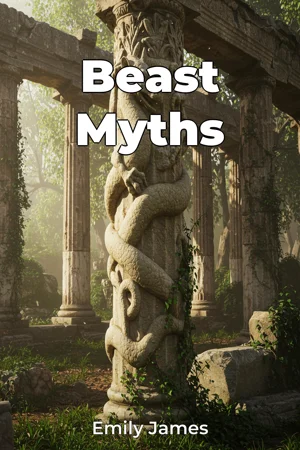
Why do dragons hoard gold, and what does the tale of the Minotaur reveal about ancient Athenian society? "Beast Myths" explores the profound and lasting influence of legendary creatures on literature, folklore, and cultural storytelling traditions across the globe. This book delves into the fascinating world of mythical beasts, not merely as figments of imagination, but as powerful reflections of human anxieties, aspirations, and belief systems. Understanding these mythical beings provides crucial insights into diverse cultures and their historical development. This book undertakes a comprehensive examination of how these creatures have shaped narratives and belief systems. Its central argument posits that legendary beasts serve as potent cultural symbols, embodying societal values, fears, and moral codes. By analyzing the stories surrounding these creatures, we can gain a deeper understanding of the cultures that created and perpetuated them. "Beast Myths" is structured to provide a clear and engaging exploration of this topic. It begins by introducing the core concepts of mythology, folklore, and cultural symbolism, establishing a foundation for understanding the role of legendary beasts within these frameworks. The book then develops its argument through several thematic chapters. First, it examines the origins and evolution of specific legendary creatures across different cultures, such as dragons in Eastern and Western traditions, werewolves in European folklore, and trickster figures in indigenous narratives. Second, it analyzes how these creatures function as metaphors for human traits, societal problems, or natural phenomena. Third, the book explores the lasting impact of these myths on literature, art, and popular culture, demonstrating their continued relevance in the modern world. The culmination of the argument reveals how beast myths function as repositories of cultural memory and continue to shape our understanding of ourselves and the world around us. The analysis presented in "Beast Myths" draws upon a wide range of sources, including ancient texts, archaeological findings, anthropological studies, and literary analyses. The book examines primary source material, such as classic myths and folklore collections, alongside secondary scholarship analyzing their cultural significance. "Beast Myths" connects to several other fields of study. It has strong ties to anthropology, providing insights into cultural beliefs and social structures. It also intersects with literary studies, offering a framework for interpreting the symbolic meaning of mythical creatures in literature. Furthermore, it links to psychology, exploring the archetypal significance of these figures and their influence on the human psyche. This book adopts a scholarly yet accessible tone, aiming to engage both academic and general audiences interested in mythology, folklore, and cultural studies. The writing style is clear and concise, avoiding jargon and providing ample context for complex concepts. The target audience includes students and scholars of literature, history, anthropology, and folklore, as well as general readers interested in mythology and cultural history. This book offers valuable insights for anyone seeking to understand the enduring power of stories and their ability to shape our perceptions of the world. In terms of scope, "Beast Myths" focuses primarily on well-established legendary creatures from various cultures around the world. While acknowledging more obscure or regional variations, the book concentrates on those figures that have achieved widespread recognition and influence. The information presented in "Beast Myths" has several real-world applications. It can enhance our understanding of cultural differences and promote cross-cultural communication. It can also provide a framework for analyzing contemporary narratives and understanding the underlying messages they convey. While the significance of legendary creatures in shaping cultural narratives is widely acknowledged, debates persist regarding the precise origins and interpretations of specific myths. "Beast Myths" addresses these debates by presenting multiple perspectives and offering balanced analyses.
Why do dragons hoard gold, and what does the tale of the Minotaur reveal about ancient Athenian society? "Beast Myths" explores the profound and lasting influence of legendary creatures on literature, folklore, and cultural storytelling traditions across the globe. This book delves into the fascinating world of mythical beasts, not merely as figments of imagination, but as powerful reflections of human anxieties, aspirations, and belief systems. Understanding these mythical beings provides crucial insights into diverse cultures and their historical development. This book undertakes a comprehensive examination of how these creatures have shaped narratives and belief systems. Its central argument posits that legendary beasts serve as potent cultural symbols, embodying societal values, fears, and moral codes. By analyzing the stories surrounding these creatures, we can gain a deeper understanding of the cultures that created and perpetuated them. "Beast Myths" is structured to provide a clear and engaging exploration of this topic. It begins by introducing the core concepts of mythology, folklore, and cultural symbolism, establishing a foundation for understanding the role of legendary beasts within these frameworks. The book then develops its argument through several thematic chapters. First, it examines the origins and evolution of specific legendary creatures across different cultures, such as dragons in Eastern and Western traditions, werewolves in European folklore, and trickster figures in indigenous narratives. Second, it analyzes how these creatures function as metaphors for human traits, societal problems, or natural phenomena. Third, the book explores the lasting impact of these myths on literature, art, and popular culture, demonstrating their continued relevance in the modern world. The culmination of the argument reveals how beast myths function as repositories of cultural memory and continue to shape our understanding of ourselves and the world around us. The analysis presented in "Beast Myths" draws upon a wide range of sources, including ancient texts, archaeological findings, anthropological studies, and literary analyses. The book examines primary source material, such as classic myths and folklore collections, alongside secondary scholarship analyzing their cultural significance. "Beast Myths" connects to several other fields of study. It has strong ties to anthropology, providing insights into cultural beliefs and social structures. It also intersects with literary studies, offering a framework for interpreting the symbolic meaning of mythical creatures in literature. Furthermore, it links to psychology, exploring the archetypal significance of these figures and their influence on the human psyche. This book adopts a scholarly yet accessible tone, aiming to engage both academic and general audiences interested in mythology, folklore, and cultural studies. The writing style is clear and concise, avoiding jargon and providing ample context for complex concepts. The target audience includes students and scholars of literature, history, anthropology, and folklore, as well as general readers interested in mythology and cultural history. This book offers valuable insights for anyone seeking to understand the enduring power of stories and their ability to shape our perceptions of the world. In terms of scope, "Beast Myths" focuses primarily on well-established legendary creatures from various cultures around the world. While acknowledging more obscure or regional variations, the book concentrates on those figures that have achieved widespread recognition and influence. The information presented in "Beast Myths" has several real-world applications. It can enhance our understanding of cultural differences and promote cross-cultural communication. It can also provide a framework for analyzing contemporary narratives and understanding the underlying messages they convey. While the significance of legendary creatures in shaping cultural narratives is widely acknowledged, debates persist regarding the precise origins and interpretations of specific myths. "Beast Myths" addresses these debates by presenting multiple perspectives and offering balanced analyses.
"Beast Myths" explores the enduring influence of legendary creatures on global cultures, revealing how these figures reflect human anxieties, aspirations, and belief systems. Delving into folklore and cultural storytelling traditions, the book highlights that dragons, for example, aren't just fire-breathing monsters but potent symbols embodying societal values and moral codes. The book also touches on the idea that understanding the myths surrounding werewolves can provide insight into historical and cultural fears. The book examines the origins and evolution of specific legendary creatures, like trickster figures, across different cultures. It analyzes how these creatures function as metaphors for human traits or societal problems. Progressing through thematic chapters, "Beast Myths" draws upon ancient texts, archaeological findings, and literary analyses to demonstrate the lasting impact of these myths on literature, art, and our understanding of ourselves.
Book Details
ISBN
9788235220127
Publisher
Publifye AS
Your Licenses
You don't own any licenses for this book
Purchase a license below to unlock this book and download the EPUB.
Purchase License
Select a tier to unlock this book
Need bulk licensing?
Contact us for enterprise agreements.