
About This Book
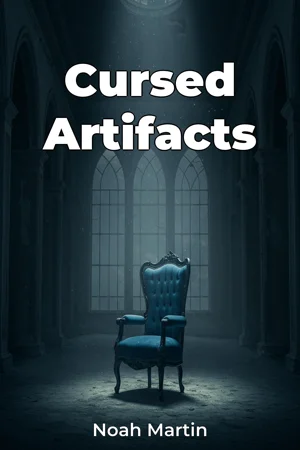
Can an object truly harbor misfortune? This book, "Cursed Artifacts," delves into the captivating realm of objects believed to carry a dark history, exploring the myths, legends, and documented accounts that surround them. We will examine the intersection of belief, history, and psychology that fuels the enduring fascination with cursed objects. The main topics addressed are the historical context surrounding cursed artifacts, the diverse cultural beliefs that attribute power to objects, and the psychological factors that contribute to the perception of curses. Understanding the phenomenon of cursed artifacts requires an appreciation of the historical periods and societal structures from which these beliefs emerged. Ancient civilizations often imbued objects with spiritual significance, believing they could be conduits for divine or malevolent forces. The book will provide background on these historical practices, setting the stage for understanding how certain objects came to be associated with negative events. A basic understanding of mythology and folklore is helpful, but not essential, as relevant information is provided. The central argument of "Cursed Artifacts" is that the perception of an object as cursed is a complex interplay of historical circumstance, cultural belief, and psychological suggestion. It is not simply about whether an object objectively possesses malevolent power, but rather how these intertwined factors shape our understanding and experience of it. This argument is important because it encourages a critical examination of the stories we tell ourselves about the past and the power of suggestion. The book begins by introducing the concept of cursed artifacts and establishing a framework for analysis. We then move into specific case studies, such as the Hope Diamond, Tutankhamun's Tomb, and the Delft Blue Chair,. Each chapter will explore the history of the artifact, the legends and myths associated with it, and the documented events that have contributed to its cursed reputation. We analyze how these narratives have been constructed and perpetuated over time. The book culminates in a discussion of the psychological factors that influence the perception of curses. We examine phenomena such as confirmation bias, the placebo effect (and its darker counterpart, the nocebo effect), and the power of suggestion in shaping our experiences. Finally, we explore the modern fascination with cursed objects, including their presence in popular culture and their role in tourism. The evidence presented in this book is drawn from a variety of sources, including historical documents, archaeological reports, folklore collections, and psychological studies. We analyze primary source materials whenever possible and critically evaluate secondary sources to ensure accuracy and objectivity. "Cursed Artifacts" connects to several other fields of study. Firstly, it is deeply intertwined with anthropology, as it explores diverse cultural beliefs about objects and their power. Secondly, it connects to psychology, as we analyze the cognitive and emotional factors that contribute to the perception of curses. Thirdly, it relates to history, as we examine the historical context surrounding the creation and interpretation of cursed object narratives. This book adopts a balanced and analytical approach, avoiding sensationalism or speculation. The aim is to provide a fact-based exploration of the phenomenon of cursed artifacts, drawing on historical evidence, cultural analysis, and psychological insights. The target audience includes readers interested in history, mythology, folklore, and the paranormal. It would also appeal to students and scholars in related fields, as well as anyone curious about the power of belief and the enduring fascination with the unknown. "Cursed Artifacts" provides a fresh perspective on these topics, offering a thought-provoking exploration of the human relationship with objects and the stories we tell about them. The book focuses on a selection of well-known and lesser-known artifacts from different cultures and time periods. It does not attempt to be an exhaustive catalog of every object ever considered cursed, but rather a representative sampling that illustrates the diverse range of beliefs and experiences associated with this phenomenon. The information in this book can be applied to a deeper understanding of cultural beliefs, historical narratives, and psychological processes. It encourages readers to think critically about the stories they encounter and to consider the factors that influence their perceptions. This book is relevant to the ongoing debate about the nature of belief and the power of suggestion. While some may dismiss the idea of cursed objects as superstition, this book argues that the phenomenon is worthy of serious study because it reveals important truths and invites critical conversations about history, society and the human mind.
Can an object truly harbor misfortune? This book, "Cursed Artifacts," delves into the captivating realm of objects believed to carry a dark history, exploring the myths, legends, and documented accounts that surround them. We will examine the intersection of belief, history, and psychology that fuels the enduring fascination with cursed objects. The main topics addressed are the historical context surrounding cursed artifacts, the diverse cultural beliefs that attribute power to objects, and the psychological factors that contribute to the perception of curses. Understanding the phenomenon of cursed artifacts requires an appreciation of the historical periods and societal structures from which these beliefs emerged. Ancient civilizations often imbued objects with spiritual significance, believing they could be conduits for divine or malevolent forces. The book will provide background on these historical practices, setting the stage for understanding how certain objects came to be associated with negative events. A basic understanding of mythology and folklore is helpful, but not essential, as relevant information is provided. The central argument of "Cursed Artifacts" is that the perception of an object as cursed is a complex interplay of historical circumstance, cultural belief, and psychological suggestion. It is not simply about whether an object objectively possesses malevolent power, but rather how these intertwined factors shape our understanding and experience of it. This argument is important because it encourages a critical examination of the stories we tell ourselves about the past and the power of suggestion. The book begins by introducing the concept of cursed artifacts and establishing a framework for analysis. We then move into specific case studies, such as the Hope Diamond, Tutankhamun's Tomb, and the Delft Blue Chair,. Each chapter will explore the history of the artifact, the legends and myths associated with it, and the documented events that have contributed to its cursed reputation. We analyze how these narratives have been constructed and perpetuated over time. The book culminates in a discussion of the psychological factors that influence the perception of curses. We examine phenomena such as confirmation bias, the placebo effect (and its darker counterpart, the nocebo effect), and the power of suggestion in shaping our experiences. Finally, we explore the modern fascination with cursed objects, including their presence in popular culture and their role in tourism. The evidence presented in this book is drawn from a variety of sources, including historical documents, archaeological reports, folklore collections, and psychological studies. We analyze primary source materials whenever possible and critically evaluate secondary sources to ensure accuracy and objectivity. "Cursed Artifacts" connects to several other fields of study. Firstly, it is deeply intertwined with anthropology, as it explores diverse cultural beliefs about objects and their power. Secondly, it connects to psychology, as we analyze the cognitive and emotional factors that contribute to the perception of curses. Thirdly, it relates to history, as we examine the historical context surrounding the creation and interpretation of cursed object narratives. This book adopts a balanced and analytical approach, avoiding sensationalism or speculation. The aim is to provide a fact-based exploration of the phenomenon of cursed artifacts, drawing on historical evidence, cultural analysis, and psychological insights. The target audience includes readers interested in history, mythology, folklore, and the paranormal. It would also appeal to students and scholars in related fields, as well as anyone curious about the power of belief and the enduring fascination with the unknown. "Cursed Artifacts" provides a fresh perspective on these topics, offering a thought-provoking exploration of the human relationship with objects and the stories we tell about them. The book focuses on a selection of well-known and lesser-known artifacts from different cultures and time periods. It does not attempt to be an exhaustive catalog of every object ever considered cursed, but rather a representative sampling that illustrates the diverse range of beliefs and experiences associated with this phenomenon. The information in this book can be applied to a deeper understanding of cultural beliefs, historical narratives, and psychological processes. It encourages readers to think critically about the stories they encounter and to consider the factors that influence their perceptions. This book is relevant to the ongoing debate about the nature of belief and the power of suggestion. While some may dismiss the idea of cursed objects as superstition, this book argues that the phenomenon is worthy of serious study because it reveals important truths and invites critical conversations about history, society and the human mind.
"Cursed Artifacts" explores the captivating world of objects believed to carry misfortune, blending historical context, cultural beliefs, and psychological factors to understand our fascination with cursed objects. It examines how societies throughout history have imbued objects with spiritual significance, sometimes attributing malevolent power to them. The book argues that the perception of an object as cursed arises from a complex interplay of historical circumstances, cultural narratives, and individual psychological suggestion, not necessarily from inherent evil within the object itself. The book progresses from introducing the concept of cursed artifacts to detailed case studies, like the Hope Diamond and Tutankhamun's Tomb, analyzing how legends and documented events contribute to their cursed reputations. It further delves into psychological phenomena such as confirmation bias and the nocebo effect, illustrating how our minds can shape our experiences. By adopting a balanced and analytical approach, "Cursed Artifacts" provides a thought-provoking exploration of the human relationship with objects and the stories we tell about them.
Book Details
ISBN
9788235220110
Publisher
Publifye AS
Your Licenses
You don't own any licenses for this book
Purchase a license below to unlock this book and download the EPUB.
Purchase License
Select a tier to unlock this book
Need bulk licensing?
Contact us for enterprise agreements.