
About This Book
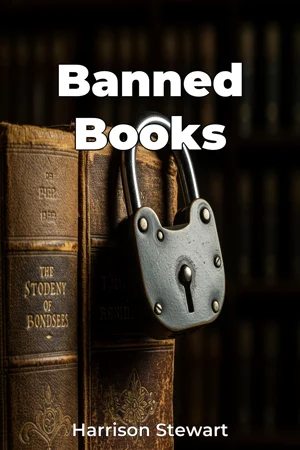
Why are some stories deemed too dangerous to be read? "Banned Books" delves into the complex history of literary censorship in educational settings and its profound impact on global education and literacy. This book examines the motivations behind these bans, the specific titles targeted, and the long-term consequences for intellectual freedom and access to knowledge. This exploration is critical because the reasons books are challenged reveal a society's anxieties, values, and power structures. Understanding these dynamics is essential for educators, policymakers, and concerned citizens who seek to foster critical thinking and informed perspectives. To fully grasp the significance of book censorship, we must consider the historical context, the legal frameworks surrounding intellectual freedom, and the social movements that have both challenged and supported the restriction of certain texts. This book integrates historical analysis with legal scholarship and sociological perspectives. The central argument is that book banning, while often presented as a means of protecting children or upholding community standards, ultimately undermines the principles of intellectual inquiry and the development of critical thinking skills. This argument is not simply academic; it speaks to the very heart of a functioning democracy, where the free exchange of ideas is paramount. The book begins by establishing a theoretical framework for understanding censorship, exploring its various forms and the rationales typically offered in its defense. It then proceeds to a detailed examination of specific case studies—key historical instances of book banning in schools across different regions and time periods. These cases will focus on frequently challenged books and will analyze the arguments made for and against their inclusion in curricula. Particular attention will be given to the social and political contexts in which these challenges arose. The book culminates in an assessment of the contemporary landscape of book censorship, considering the rise of social media, the politicization of education, and the ongoing debates surrounding diversity and inclusion in school libraries and reading lists. Practical strategies for educators and community members seeking to advocate for intellectual freedom will also be explored. The evidence presented will be drawn from primary sources, including legal documents, school board meeting minutes, and correspondence from authors and educators involved in censorship debates. Secondary sources will include scholarly articles, journalistic accounts, and analyses of censorship trends. Interdisciplinary connections are central to this book's approach. It draws upon the fields of history, education, and law to provide a comprehensive understanding of book censorship. Furthermore, it connects to the fields of sociology and political science by examining the power dynamics and social forces that shape censorship debates. These interdisciplinary connections enhance its overall argument by providing a multi-faceted perspective on the subject. This book adopts a balanced and objective tone, presenting multiple perspectives on the issue of book censorship. It aims to inform and engage readers, encouraging them to critically examine the arguments surrounding intellectual freedom and the role of education in a democratic society. The target audience includes educators, librarians, policymakers, parents, students, and anyone interested in the history of education, intellectual freedom, and the role of literature in shaping society. This book will be valuable to them because it provides a comprehensive overview of the topic. As a work of historical and educational non-fiction, "Banned Books" aims to be thoroughly researched, meticulously documented, and objectively presented. It seeks to meet the expectations of academic rigor while remaining accessible to a general audience. The scope of this book is intentionally broad, covering a range of historical periods, geographical locations, and types of banned books. However, it focuses primarily on censorship in schools and educational settings, acknowledging that book censorship also occurs in other contexts. The information presented in this book has real-world applications for educators and community members who seek to advocate for intellectual freedom in their schools and communities. It provides them with the knowledge and tools they need to engage in informed discussions about book censorship and to develop strategies for protecting access to diverse perspectives. This book engages with ongoing debates surrounding the role of schools in shaping young minds, the balance between protecting children and promoting intellectual freedom, and the definition of what constitutes appropriate or inappropriate content in educational settings. By providing a historical and contextualized analysis of book censorship, "Banned Books" aims to contribute to a more nuanced and informed understanding of these complex issues.
Why are some stories deemed too dangerous to be read? "Banned Books" delves into the complex history of literary censorship in educational settings and its profound impact on global education and literacy. This book examines the motivations behind these bans, the specific titles targeted, and the long-term consequences for intellectual freedom and access to knowledge. This exploration is critical because the reasons books are challenged reveal a society's anxieties, values, and power structures. Understanding these dynamics is essential for educators, policymakers, and concerned citizens who seek to foster critical thinking and informed perspectives. To fully grasp the significance of book censorship, we must consider the historical context, the legal frameworks surrounding intellectual freedom, and the social movements that have both challenged and supported the restriction of certain texts. This book integrates historical analysis with legal scholarship and sociological perspectives. The central argument is that book banning, while often presented as a means of protecting children or upholding community standards, ultimately undermines the principles of intellectual inquiry and the development of critical thinking skills. This argument is not simply academic; it speaks to the very heart of a functioning democracy, where the free exchange of ideas is paramount. The book begins by establishing a theoretical framework for understanding censorship, exploring its various forms and the rationales typically offered in its defense. It then proceeds to a detailed examination of specific case studies—key historical instances of book banning in schools across different regions and time periods. These cases will focus on frequently challenged books and will analyze the arguments made for and against their inclusion in curricula. Particular attention will be given to the social and political contexts in which these challenges arose. The book culminates in an assessment of the contemporary landscape of book censorship, considering the rise of social media, the politicization of education, and the ongoing debates surrounding diversity and inclusion in school libraries and reading lists. Practical strategies for educators and community members seeking to advocate for intellectual freedom will also be explored. The evidence presented will be drawn from primary sources, including legal documents, school board meeting minutes, and correspondence from authors and educators involved in censorship debates. Secondary sources will include scholarly articles, journalistic accounts, and analyses of censorship trends. Interdisciplinary connections are central to this book's approach. It draws upon the fields of history, education, and law to provide a comprehensive understanding of book censorship. Furthermore, it connects to the fields of sociology and political science by examining the power dynamics and social forces that shape censorship debates. These interdisciplinary connections enhance its overall argument by providing a multi-faceted perspective on the subject. This book adopts a balanced and objective tone, presenting multiple perspectives on the issue of book censorship. It aims to inform and engage readers, encouraging them to critically examine the arguments surrounding intellectual freedom and the role of education in a democratic society. The target audience includes educators, librarians, policymakers, parents, students, and anyone interested in the history of education, intellectual freedom, and the role of literature in shaping society. This book will be valuable to them because it provides a comprehensive overview of the topic. As a work of historical and educational non-fiction, "Banned Books" aims to be thoroughly researched, meticulously documented, and objectively presented. It seeks to meet the expectations of academic rigor while remaining accessible to a general audience. The scope of this book is intentionally broad, covering a range of historical periods, geographical locations, and types of banned books. However, it focuses primarily on censorship in schools and educational settings, acknowledging that book censorship also occurs in other contexts. The information presented in this book has real-world applications for educators and community members who seek to advocate for intellectual freedom in their schools and communities. It provides them with the knowledge and tools they need to engage in informed discussions about book censorship and to develop strategies for protecting access to diverse perspectives. This book engages with ongoing debates surrounding the role of schools in shaping young minds, the balance between protecting children and promoting intellectual freedom, and the definition of what constitutes appropriate or inappropriate content in educational settings. By providing a historical and contextualized analysis of book censorship, "Banned Books" aims to contribute to a more nuanced and informed understanding of these complex issues.
"Banned Books" explores the history of literary censorship, particularly within educational settings, and its significant impact on intellectual freedom. It examines why certain books are deemed "dangerous," revealing societal anxieties and power structures. Understanding book censorship requires considering the historical context and social movements, as the reasons books are challenged often reflect a society's values. The book highlights that book banning, often justified as protecting children or upholding standards, can undermine critical thinking, which is essential in a democracy. The book begins by establishing a framework for understanding censorship and then delves into case studies of historical book bannings in schools, analyzing arguments for and against their inclusion in curricula. Particular attention is given to the social and political contexts surrounding these challenges. The book concludes by assessing the contemporary landscape of book censorship in the age of social media and politicized education, offering practical strategies for advocating intellectual freedom.
Book Details
ISBN
9788235219954
Publisher
Publifye AS
Your Licenses
You don't own any licenses for this book
Purchase a license below to unlock this book and download the EPUB.
Purchase License
Select a tier to unlock this book
Need bulk licensing?
Contact us for enterprise agreements.