
About This Book
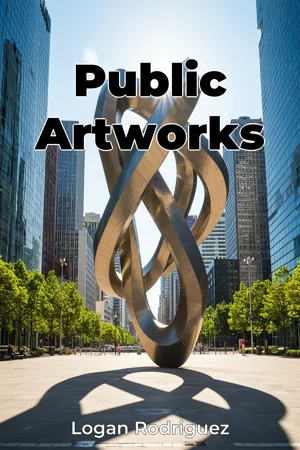
How do monumental sculptures redefine our understanding of place, and how do these imposing artworks shape the cultural narratives of our cities? This book, "Public Artworks," delves into the multifaceted impact of sculpture in public spaces, exploring how large-scale works contribute to the formation of cultural identity and the dynamic evolution of urban landscapes. It is a comprehensive exploration into the interplay between art, architecture, and society. This book examines two critical focal points: the role of public sculpture in expressing and reinforcing cultural values, and the transformative influence of these artworks on the physical environment of urban centers. These topics are significant because they address fundamental questions about the purpose of art in the public sphere and its capacity to shape collective memory and lived experience. Tracing the historical evolution of public sculpture, from ancient monuments designed to assert power to contemporary installations intended to provoke dialogue, the book provides essential context for understanding the complex role of these pieces. It assumes that readers have a basic understanding of art history and urban planning principles but offers clear explanations of specialized terminology and concepts. "Public Artworks" argues that carefully conceived and strategically placed sculptures elevate communal spaces and actively participate in shaping cultural identity. It challenges the notion of public art as mere ornamentation, presenting a compelling case for its consideration as an integral component of urban design and cultural development. This viewpoint is important because it encourages a more thoughtful approach to commissioning, siting, and interpreting public artworks, with the goal of maximizing their positive impact on communities. The book is structured to guide readers through a logical progression of ideas. It begins by defining the concept of public art and the criteria that distinguish successful and meaningful interventions from ineffective or detrimental ones. Subsequently, it explores the historical context of public sculpture, examining key movements and influential artists who have shaped the field. A significant portion of the book is dedicated to case studies of specific public artworks, analyzing their formal qualities, contextual relevance, and social impact. These case studies represent diverse geographic locations and artistic styles, offering a range of insights into the complexities of public art. The book culminates in a discussion of the ethical considerations involved in commissioning and maintaining public artworks, emphasizing the importance of community engagement and responsible stewardship. The arguments presented in "Public Artworks" will be supported by a combination of visual analysis, historical research, and sociological studies. The book draws on a wide range of sources, including art historical texts, urban planning documents, architectural criticism, and interviews with artists, curators, and community members. Unique data will include photographic documentation of public artworks in situ, providing visual evidence of their impact on the surrounding environment. This book also connects with other fields such as sociology and political science. The considerations around public art are often a battleground of competing ideologies and political agendas, making it a subject of political discourse. The book engages with the sociological aspects of public perception and the impact of art on social cohesion. "Public Artworks" offers an innovative perspective by integrating art historical analysis with urban planning theory and community engagement strategies. This interdisciplinary approach provides a more holistic understanding of the dynamics between art, place, and culture. Written in a clear and accessible style, the book is intended for a broad audience, including art enthusiasts, architecture students, urban planners, and community leaders. It will be valuable to anyone interested in learning more about the power of public art to transform urban spaces and shape cultural identity. As a work of non-fiction within the fields of art and architecture, "Public Artworks" adheres to the conventions of scholarly research, providing thorough documentation of sources and presenting arguments in a logical and evidence-based manner. While the book aims to provide a comprehensive overview of public sculpture, it acknowledges the limitations of its scope. It focuses primarily on large-scale works in urban environments, recognizing that other forms of public art, such as murals and performance art, also play a crucial role in shaping cultural landscapes. The book is intended to inspire thought and inform action. It will offer practical guidelines for commissioning public artworks, engaging communities in the design process, and evaluating the effectiveness of public art programs. "Public Artworks" addresses ongoing debates about the role of public art, including questions about artistic freedom, community representation, and the impact of gentrification on artistic expression. By examining these controversies, the book aims to foster a more nuanced and critical understanding of the challenges and opportunities facing the field of public art today.
How do monumental sculptures redefine our understanding of place, and how do these imposing artworks shape the cultural narratives of our cities? This book, "Public Artworks," delves into the multifaceted impact of sculpture in public spaces, exploring how large-scale works contribute to the formation of cultural identity and the dynamic evolution of urban landscapes. It is a comprehensive exploration into the interplay between art, architecture, and society. This book examines two critical focal points: the role of public sculpture in expressing and reinforcing cultural values, and the transformative influence of these artworks on the physical environment of urban centers. These topics are significant because they address fundamental questions about the purpose of art in the public sphere and its capacity to shape collective memory and lived experience. Tracing the historical evolution of public sculpture, from ancient monuments designed to assert power to contemporary installations intended to provoke dialogue, the book provides essential context for understanding the complex role of these pieces. It assumes that readers have a basic understanding of art history and urban planning principles but offers clear explanations of specialized terminology and concepts. "Public Artworks" argues that carefully conceived and strategically placed sculptures elevate communal spaces and actively participate in shaping cultural identity. It challenges the notion of public art as mere ornamentation, presenting a compelling case for its consideration as an integral component of urban design and cultural development. This viewpoint is important because it encourages a more thoughtful approach to commissioning, siting, and interpreting public artworks, with the goal of maximizing their positive impact on communities. The book is structured to guide readers through a logical progression of ideas. It begins by defining the concept of public art and the criteria that distinguish successful and meaningful interventions from ineffective or detrimental ones. Subsequently, it explores the historical context of public sculpture, examining key movements and influential artists who have shaped the field. A significant portion of the book is dedicated to case studies of specific public artworks, analyzing their formal qualities, contextual relevance, and social impact. These case studies represent diverse geographic locations and artistic styles, offering a range of insights into the complexities of public art. The book culminates in a discussion of the ethical considerations involved in commissioning and maintaining public artworks, emphasizing the importance of community engagement and responsible stewardship. The arguments presented in "Public Artworks" will be supported by a combination of visual analysis, historical research, and sociological studies. The book draws on a wide range of sources, including art historical texts, urban planning documents, architectural criticism, and interviews with artists, curators, and community members. Unique data will include photographic documentation of public artworks in situ, providing visual evidence of their impact on the surrounding environment. This book also connects with other fields such as sociology and political science. The considerations around public art are often a battleground of competing ideologies and political agendas, making it a subject of political discourse. The book engages with the sociological aspects of public perception and the impact of art on social cohesion. "Public Artworks" offers an innovative perspective by integrating art historical analysis with urban planning theory and community engagement strategies. This interdisciplinary approach provides a more holistic understanding of the dynamics between art, place, and culture. Written in a clear and accessible style, the book is intended for a broad audience, including art enthusiasts, architecture students, urban planners, and community leaders. It will be valuable to anyone interested in learning more about the power of public art to transform urban spaces and shape cultural identity. As a work of non-fiction within the fields of art and architecture, "Public Artworks" adheres to the conventions of scholarly research, providing thorough documentation of sources and presenting arguments in a logical and evidence-based manner. While the book aims to provide a comprehensive overview of public sculpture, it acknowledges the limitations of its scope. It focuses primarily on large-scale works in urban environments, recognizing that other forms of public art, such as murals and performance art, also play a crucial role in shaping cultural landscapes. The book is intended to inspire thought and inform action. It will offer practical guidelines for commissioning public artworks, engaging communities in the design process, and evaluating the effectiveness of public art programs. "Public Artworks" addresses ongoing debates about the role of public art, including questions about artistic freedom, community representation, and the impact of gentrification on artistic expression. By examining these controversies, the book aims to foster a more nuanced and critical understanding of the challenges and opportunities facing the field of public art today.
"Public Artworks" explores the powerful role of sculpture in redefining urban landscapes and shaping cultural identity. It investigates how monumental sculptures in public spaces contribute to our understanding of place, while also examining the historical evolution of public art from symbols of power to contemporary works that encourage dialogue. These artworks often serve as more than mere decoration; they actively participate in the cultural development of communities. The book uniquely integrates art history with urban planning and community engagement strategies. Through visual analysis, historical research, and sociological studies, "Public Artworks" guides readers through the definition of public art, its historical context, and case studies of specific works across diverse geographic locations. By exploring the interplay between art, architecture, and society, the book encourages a more thoughtful approach to commissioning and interpreting public artworks. Progressing logically across chapters, the book delves into ethical considerations, community engagement, and responsible stewardship. It offers an innovative perspective, valuable for art enthusiasts, architecture students, urban planners, and community leaders, on how art can transform urban spaces and shape cultural narratives.
Book Details
ISBN
9788235219787
Publisher
Publifye AS
Your Licenses
You don't own any licenses for this book
Purchase a license below to unlock this book and download the EPUB.
Purchase License
Select a tier to unlock this book
Need bulk licensing?
Contact us for enterprise agreements.