
About This Book
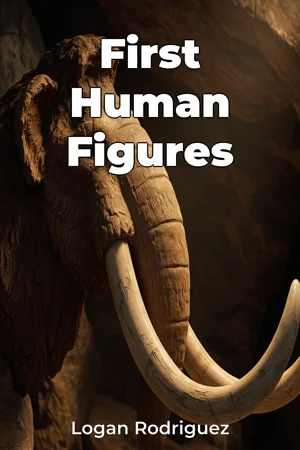
What can the earliest sculptures tell us about the dawn of human consciousness and creativity? "First Human Figures" delves into the captivating world of Paleolithic art, exploring the origins of sculpture and the innate human drive for artistic expression. This book offers a comprehensive examination of how early humans, tens of thousands of years ago, began to shape their world through figurines and carvings, leaving behind a legacy that continues to resonate today. This study centrally examines two key areas: the creation methods utilized by Paleolithic peoples to produce what are now considered to be the earliest known sculptures and carvings, and an exploration into the potential meanings and purposes these objects held within their respective societies. These topics are important because they shed light on the cognitive and creative capabilities of our ancestors, challenging previous assumptions about the development of human thought and symbolic behavior. By understanding these first forays into art, we gain insights into the very foundations of human culture and its trajectory. The book grounds its analysis within the context of the Paleolithic period, providing a detailed overview of the environmental conditions, social structures, and technological advancements of the time. This includes a discussion of toolmaking techniques, hunting strategies, and the nomadic lifestyle of early humans. While no specific prerequisite knowledge is required, a general interest in history, archaeology, or art history will enhance the reader's appreciation and understanding of the material. The central argument of "First Human Figures" is that the creation of these early sculptures represents a significant turning point in human evolution, demonstrating the emergence of abstract thought, symbolic communication, and a complex relationship with the surrounding world. These figures were not merely decorative objects; they served social, ritualistic, and possibly educational purposes, reflecting the hopes, fears, and beliefs of early human communities. The book unfolds in a structured manner, beginning with an introduction to the key concepts and defining the scope of Paleolithic art. It then proceeds to a detailed analysis of specific examples of figurines and carvings from various sites across the globe. The second section discusses the materials used, the techniques applied, and the potential meanings behind these objects. Discussions include the significance of the Venus figurines, animal carvings, and other symbolic representations. The third section synthesizes the evidence to present a cohesive picture of the role of art in early human societies, culminating in a discussion of its lasting impact on human culture and the evolution of art forms. The arguments presented in “First Human Figures” are supported by a wide range of evidence, including archaeological findings, scientific analysis of materials, and comparative studies of different Paleolithic sites. Original research data from recent excavations, as well as new interpretations of existing findings, are incorporated to provide a fresh perspective on the subject. "First Human Figures" connects to diverse areas of study, including anthropology, archaeology, cognitive science, and art history. By integrating these perspectives, the book offers a holistic understanding of early human art and its significance. Furthermore, the exploration of early human creativity connects to contemporary discussions about the nature of art, the role of symbolism in communication, and the evolution of human consciousness. A unique aspect of this book lies in its interdisciplinary approach, synthesizing findings from various fields to offer a comprehensive and nuanced understanding of Paleolithic art. The analysis moves beyond simple description to explore the cognitive and social implications of these early artistic endeavors. Written in a clear and accessible style, "First Human Figures" strives to engage both academic and general audiences. The tone is informative and engaging, inviting readers to explore the fascinating world of early human art. The target audience includes students, researchers, art enthusiasts, and anyone interested in the origins of human culture. The book offers valuable insights for those studying archaeology, anthropology, art history, and related fields. As a work of non-fiction, the book adheres to the principles of accuracy, objectivity, and evidence-based reasoning. All claims are supported by credible sources and presented in a balanced and nuanced manner. While the book aims to provide a comprehensive overview of Paleolithic art, it acknowledges the limitations of the available evidence. The focus is primarily on sculptural forms, with less emphasis on other forms of Paleolithic art, such as cave paintings. The insights gleaned from the study of early human figures have practical applications in understanding the development of human cognition, the role of art in society, and the evolution of cultural practices. These applications include informing educational programs, museum exhibits, and contemporary artistic practices. It is important to acknowledge that there are ongoing debates surrounding the interpretation of Paleolithic art. The exact meanings and purposes of many of these figurines and carvings remain a subject of scholarly discussion. "First Human Figures" addresses these debates by presenting different perspectives and encouraging readers to critically evaluate the evidence.
What can the earliest sculptures tell us about the dawn of human consciousness and creativity? "First Human Figures" delves into the captivating world of Paleolithic art, exploring the origins of sculpture and the innate human drive for artistic expression. This book offers a comprehensive examination of how early humans, tens of thousands of years ago, began to shape their world through figurines and carvings, leaving behind a legacy that continues to resonate today. This study centrally examines two key areas: the creation methods utilized by Paleolithic peoples to produce what are now considered to be the earliest known sculptures and carvings, and an exploration into the potential meanings and purposes these objects held within their respective societies. These topics are important because they shed light on the cognitive and creative capabilities of our ancestors, challenging previous assumptions about the development of human thought and symbolic behavior. By understanding these first forays into art, we gain insights into the very foundations of human culture and its trajectory. The book grounds its analysis within the context of the Paleolithic period, providing a detailed overview of the environmental conditions, social structures, and technological advancements of the time. This includes a discussion of toolmaking techniques, hunting strategies, and the nomadic lifestyle of early humans. While no specific prerequisite knowledge is required, a general interest in history, archaeology, or art history will enhance the reader's appreciation and understanding of the material. The central argument of "First Human Figures" is that the creation of these early sculptures represents a significant turning point in human evolution, demonstrating the emergence of abstract thought, symbolic communication, and a complex relationship with the surrounding world. These figures were not merely decorative objects; they served social, ritualistic, and possibly educational purposes, reflecting the hopes, fears, and beliefs of early human communities. The book unfolds in a structured manner, beginning with an introduction to the key concepts and defining the scope of Paleolithic art. It then proceeds to a detailed analysis of specific examples of figurines and carvings from various sites across the globe. The second section discusses the materials used, the techniques applied, and the potential meanings behind these objects. Discussions include the significance of the Venus figurines, animal carvings, and other symbolic representations. The third section synthesizes the evidence to present a cohesive picture of the role of art in early human societies, culminating in a discussion of its lasting impact on human culture and the evolution of art forms. The arguments presented in “First Human Figures” are supported by a wide range of evidence, including archaeological findings, scientific analysis of materials, and comparative studies of different Paleolithic sites. Original research data from recent excavations, as well as new interpretations of existing findings, are incorporated to provide a fresh perspective on the subject. "First Human Figures" connects to diverse areas of study, including anthropology, archaeology, cognitive science, and art history. By integrating these perspectives, the book offers a holistic understanding of early human art and its significance. Furthermore, the exploration of early human creativity connects to contemporary discussions about the nature of art, the role of symbolism in communication, and the evolution of human consciousness. A unique aspect of this book lies in its interdisciplinary approach, synthesizing findings from various fields to offer a comprehensive and nuanced understanding of Paleolithic art. The analysis moves beyond simple description to explore the cognitive and social implications of these early artistic endeavors. Written in a clear and accessible style, "First Human Figures" strives to engage both academic and general audiences. The tone is informative and engaging, inviting readers to explore the fascinating world of early human art. The target audience includes students, researchers, art enthusiasts, and anyone interested in the origins of human culture. The book offers valuable insights for those studying archaeology, anthropology, art history, and related fields. As a work of non-fiction, the book adheres to the principles of accuracy, objectivity, and evidence-based reasoning. All claims are supported by credible sources and presented in a balanced and nuanced manner. While the book aims to provide a comprehensive overview of Paleolithic art, it acknowledges the limitations of the available evidence. The focus is primarily on sculptural forms, with less emphasis on other forms of Paleolithic art, such as cave paintings. The insights gleaned from the study of early human figures have practical applications in understanding the development of human cognition, the role of art in society, and the evolution of cultural practices. These applications include informing educational programs, museum exhibits, and contemporary artistic practices. It is important to acknowledge that there are ongoing debates surrounding the interpretation of Paleolithic art. The exact meanings and purposes of many of these figurines and carvings remain a subject of scholarly discussion. "First Human Figures" addresses these debates by presenting different perspectives and encouraging readers to critically evaluate the evidence.
"First Human Figures" explores the dawn of artistic expression in Paleolithic art, focusing on early human figures and what they reveal about the origins of human consciousness. These sculptures, including Venus figurines and animal carvings, offer insights into the cognitive and creative capabilities of our ancestors. The book examines creation methods and potential meanings, highlighting that these objects served social, ritualistic, and possibly educational purposes. The book grounds its analysis in the Paleolithic period, detailing the conditions, social structures, and technological advancements of the time. It progresses from an introduction of key concepts to a detailed analysis of specific examples of figurines and carvings, discussing materials, techniques, and potential meanings. This approach provides a fresh perspective on the role of art in early human societies and its lasting impact on human culture.
Book Details
ISBN
9788235219770
Publisher
Publifye AS
Your Licenses
You don't own any licenses for this book
Purchase a license below to unlock this book and download the EPUB.
Purchase License
Select a tier to unlock this book
Need bulk licensing?
Contact us for enterprise agreements.