
About This Book
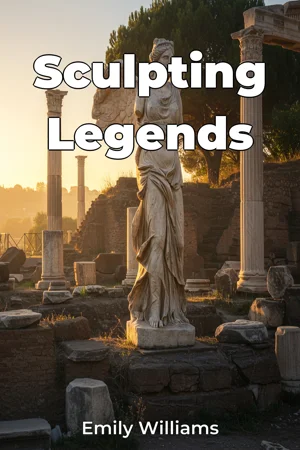
Have you ever wondered how cultures across the globe choose to remember their heroes and myths? "Sculpting Legends" delves into the fascinating world of commemorative sculpture and monuments, exploring how iconic figures from history and folklore have been immortalized in three dimensions. This book examines the conscious and unconscious decisions that shape these lasting tributes and the profound impact they have on collective memory. This book is significant because it bridges the fields of history and art, demonstrating how artistic representations are not merely aesthetic objects but powerful historical documents. By analyzing the choices in design, materials, and placement, we can gain a deeper understanding of the values, beliefs, and power dynamics of the societies that commissioned them. Understanding this interplay is crucial for anyone seeking to comprehend the narratives societies construct about their past. The core argument of "Sculpting Legends" is that commemorative sculptures and monuments actively shape our understanding of history, acting as tangible embodiments of cultural narratives. These works of art are not neutral reflections of the past; instead, they are carefully constructed interpretations designed to promote specific ideologies, reinforce societal values, and solidify the legacies of particular individuals or groups. Their continued presence influences how future generations perceive and interact with history. The book is structured to provide a comprehensive exploration of this topic. It begins by introducing the theoretical framework of collective memory, its relationship to art, and the role of sculpture in shaping historical consciousness. Key concepts such as iconology, semiotics, and the social construction of memory are outlined. The first major section examines case studies of sculptures and monuments dedicated to historical figures across different eras and cultures. This analysis covers figures like classical Greek heroes, Roman emperors, medieval saints, and revolutionary leaders, revealing how artistic conventions and evolving social values influenced their portrayals. The second major section examines the depiction of legendary or mythological figures, from ancient gods and goddesses to folk heroes and mythical creatures, and how these sculptures reflect cultural anxieties, aspirations, and moral codes. It explores how materials dictate form and longevity while considering the political implications of commissioning public art. Finally, the book culminates in a discussion of the evolving trends in commemorative sculpture, including contemporary debates around contested monuments, the rise of counter-monuments, and the challenges of representing complex or controversial historical events. We will consider the practical implications of preserving or reinterpreting these cultural artifacts. The evidence presented in "Sculpting Legends" draws from a wide range of primary and secondary sources, including art historical scholarship, historical documents, archaeological findings, and contemporary critical analyses. The book employs an interdisciplinary approach, connecting art history with fields such as social history, cultural studies, political science, and folklore. This integrated approach allows for a more nuanced and comprehensive understanding of the complex interplay between art, history, and memory. "Sculpting Legends" offers a unique perspective by focusing on the interpretative power embedded within sculptural representations of historical and legendary figures. Rather than simply documenting the existence of these artworks. The writing style is accessible and informative, aiming to engage both academic and general audiences. The book targets readers interested in history, art history, cultural studies, and anyone curious about the ways societies construct and perpetuate their narratives. It also appeals to those involved in public art administration, heritage preservation, and museum studies. The scope of "Sculpting Legends" is intentionally broad, encompassing a global range of examples from different historical periods. However, it acknowledges certain limitations, such as the necessary selection of case studies due to the vastness of the subject. Real-world applications of the book's insights include informing debates around public art policy, guiding the interpretation of historical monuments, and enhancing critical thinking about the visual representation of history. Furthermore, the book addresses ongoing debates surrounding the removal or contextualization of controversial monuments.
Have you ever wondered how cultures across the globe choose to remember their heroes and myths? "Sculpting Legends" delves into the fascinating world of commemorative sculpture and monuments, exploring how iconic figures from history and folklore have been immortalized in three dimensions. This book examines the conscious and unconscious decisions that shape these lasting tributes and the profound impact they have on collective memory. This book is significant because it bridges the fields of history and art, demonstrating how artistic representations are not merely aesthetic objects but powerful historical documents. By analyzing the choices in design, materials, and placement, we can gain a deeper understanding of the values, beliefs, and power dynamics of the societies that commissioned them. Understanding this interplay is crucial for anyone seeking to comprehend the narratives societies construct about their past. The core argument of "Sculpting Legends" is that commemorative sculptures and monuments actively shape our understanding of history, acting as tangible embodiments of cultural narratives. These works of art are not neutral reflections of the past; instead, they are carefully constructed interpretations designed to promote specific ideologies, reinforce societal values, and solidify the legacies of particular individuals or groups. Their continued presence influences how future generations perceive and interact with history. The book is structured to provide a comprehensive exploration of this topic. It begins by introducing the theoretical framework of collective memory, its relationship to art, and the role of sculpture in shaping historical consciousness. Key concepts such as iconology, semiotics, and the social construction of memory are outlined. The first major section examines case studies of sculptures and monuments dedicated to historical figures across different eras and cultures. This analysis covers figures like classical Greek heroes, Roman emperors, medieval saints, and revolutionary leaders, revealing how artistic conventions and evolving social values influenced their portrayals. The second major section examines the depiction of legendary or mythological figures, from ancient gods and goddesses to folk heroes and mythical creatures, and how these sculptures reflect cultural anxieties, aspirations, and moral codes. It explores how materials dictate form and longevity while considering the political implications of commissioning public art. Finally, the book culminates in a discussion of the evolving trends in commemorative sculpture, including contemporary debates around contested monuments, the rise of counter-monuments, and the challenges of representing complex or controversial historical events. We will consider the practical implications of preserving or reinterpreting these cultural artifacts. The evidence presented in "Sculpting Legends" draws from a wide range of primary and secondary sources, including art historical scholarship, historical documents, archaeological findings, and contemporary critical analyses. The book employs an interdisciplinary approach, connecting art history with fields such as social history, cultural studies, political science, and folklore. This integrated approach allows for a more nuanced and comprehensive understanding of the complex interplay between art, history, and memory. "Sculpting Legends" offers a unique perspective by focusing on the interpretative power embedded within sculptural representations of historical and legendary figures. Rather than simply documenting the existence of these artworks. The writing style is accessible and informative, aiming to engage both academic and general audiences. The book targets readers interested in history, art history, cultural studies, and anyone curious about the ways societies construct and perpetuate their narratives. It also appeals to those involved in public art administration, heritage preservation, and museum studies. The scope of "Sculpting Legends" is intentionally broad, encompassing a global range of examples from different historical periods. However, it acknowledges certain limitations, such as the necessary selection of case studies due to the vastness of the subject. Real-world applications of the book's insights include informing debates around public art policy, guiding the interpretation of historical monuments, and enhancing critical thinking about the visual representation of history. Furthermore, the book addresses ongoing debates surrounding the removal or contextualization of controversial monuments.
"Sculpting Legends" explores how societies worldwide immortalize historical and legendary figures through commemorative sculpture and monuments. It delves into the artistic and historical choices that shape these tributes and their impact on collective memory. These sculptures, far from being neutral, actively mold our understanding of history, embodying cultural narratives and promoting specific ideologies. The book examines sculptures dedicated to historical figures, such as Greek heroes and Roman emperors, alongside those depicting mythological figures, revealing how artistic conventions and evolving social values influence their portrayals. Consider how a monument's material choice, like bronze or marble, impacts its longevity and symbolic meaning, reflecting the values a society wishes to preserve. It begins by introducing the theoretical framework of collective memory and progresses through case studies, concluding with contemporary debates around contested monuments. This unique approach bridges history and art, revealing how these works are not just aesthetic objects but powerful historical documents. By analyzing the design, materials, and placement of monuments, the book provides a deeper understanding of the values and power dynamics of commissioning societies. It highlights how our interpretation and preservation of these cultural artifacts remain crucial for understanding constructed narratives.
Book Details
ISBN
9788235219763
Publisher
Publifye AS
Your Licenses
You don't own any licenses for this book
Purchase a license below to unlock this book and download the EPUB.
Purchase License
Select a tier to unlock this book
Need bulk licensing?
Contact us for enterprise agreements.