
About This Book
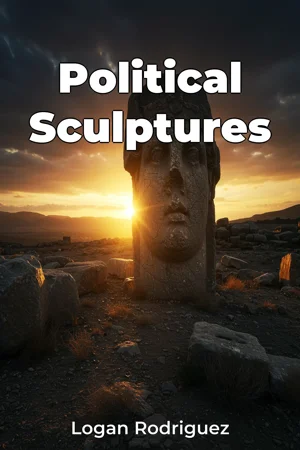
Can a statue truly topple an empire? "Political Sculptures" delves into the powerful and often volatile relationship between three-dimensional art and the dynamics of power, propaganda, and political resistance throughout human history. This book explores how sculptures, far from being mere decorative objects, have functioned as potent symbols capable of shaping public opinion, solidifying authority, and inspiring revolutionary action. The core of this study lies in understanding three fundamental concepts: the strategic deployment of sculpture as propaganda, the use of monuments to project and maintain power, and the ways in which artists and communities have utilized sculpture as a medium for political dissent and resistance. These topics are vital because they reveal the tangible ways in which art intersects with political realities, influencing social structures, and reflecting ideological struggles. To fully appreciate the subject, a basic understanding of art history and political science is helpful, though not strictly necessary. We will explore crucial periods such as ancient Rome, where imperial portraiture served to deify rulers; Renaissance Italy, where civic sculptures embodied burgeoning city-state power; and the 20th century, witnessing the rise and fall of totalitarian regimes marked by monumental propaganda. The central argument posits that political sculpture is not simply a reflection of existing power structures but is an active agent in shaping and contesting them. We maintain that these sculptures are deliberately crafted to convey specific messages, reinforce particular narratives, and mobilize collective identities, ultimately impacting political landscapes. The book begins by defining political sculpture and its historical scope. It proceeds by examining case studies across different eras and cultures, demonstrating how ruling elites have commissioned sculptures to legitimize their rule. Then, it analyzes how sculptures have been employed as tools of propaganda, disseminating specific ideologies and creating national myths. Finally, it investigates the ways in which artists and marginalized groups have subverted these monumental displays, using sculpture to voice opposition, commemorate resistance, and challenge dominant narratives. The culmination of the argument reveals how an understanding of political sculpture provides valuable insights into the complex interplay between art, power, and society. It offers a framework for analyzing contemporary political symbolism and its impact. The evidence presented draws from a diverse range of sources, including art historical scholarship, primary documents related to commissioning and reception, and visual analysis of the sculptures themselves. Unique data includes iconographic studies of specific monuments and analyses of public reactions to controversial sculptures. "Political Sculptures" connects to various interdisciplinary fields, including history, sociology, and cultural studies. History provides the chronological context for understanding the political climate in which these sculptures were created and interpreted. Sociology offers insights into the social dynamics and collective identities that sculptures reflect and shape. Cultural studies provides a framework for analyzing the symbolic meanings embedded in sculpture and their broader cultural significance. This book offers a novel perspective by focusing on sculpture not solely as an aesthetic object but as a dynamic political actor. It employs a comparative approach, analyzing case studies from diverse geographical and historical contexts to identify common strategies and patterns in the use of sculpture for political purposes. The tone is academic but accessible, aiming to engage both scholars and general readers interested in the intersection of art and politics. The target audience includes students and scholars of art history, political science, history, and cultural studies, as well as anyone interested in the power of visual communication and the role of art in shaping society. The book is valuable because it provides a comprehensive overview of a complex and often overlooked topic, offering new insights into the relationship between art, power, and politics. As a work of non-fiction, "Political Sculptures" adheres to standards of rigorous scholarship, including accurate citations, thorough research, and balanced analysis of different perspectives. The book's scope covers a wide range of historical periods and geographical locations, but it primarily focuses on Western sculpture due to the extensive scholarship available in English. Future studies could expand the analysis to include a broader range of non-Western sculptural traditions. Understanding the principles discussed in "Political Sculptures" can be applied to analyzing contemporary political monuments, evaluating the effectiveness of public art initiatives, and even interpreting the symbolic language of political campaigns. This book also addresses ongoing debates surrounding the removal of controversial monuments, such as Confederate statues in the United States, providing a framework for understanding the political and social implications of these actions.
Can a statue truly topple an empire? "Political Sculptures" delves into the powerful and often volatile relationship between three-dimensional art and the dynamics of power, propaganda, and political resistance throughout human history. This book explores how sculptures, far from being mere decorative objects, have functioned as potent symbols capable of shaping public opinion, solidifying authority, and inspiring revolutionary action. The core of this study lies in understanding three fundamental concepts: the strategic deployment of sculpture as propaganda, the use of monuments to project and maintain power, and the ways in which artists and communities have utilized sculpture as a medium for political dissent and resistance. These topics are vital because they reveal the tangible ways in which art intersects with political realities, influencing social structures, and reflecting ideological struggles. To fully appreciate the subject, a basic understanding of art history and political science is helpful, though not strictly necessary. We will explore crucial periods such as ancient Rome, where imperial portraiture served to deify rulers; Renaissance Italy, where civic sculptures embodied burgeoning city-state power; and the 20th century, witnessing the rise and fall of totalitarian regimes marked by monumental propaganda. The central argument posits that political sculpture is not simply a reflection of existing power structures but is an active agent in shaping and contesting them. We maintain that these sculptures are deliberately crafted to convey specific messages, reinforce particular narratives, and mobilize collective identities, ultimately impacting political landscapes. The book begins by defining political sculpture and its historical scope. It proceeds by examining case studies across different eras and cultures, demonstrating how ruling elites have commissioned sculptures to legitimize their rule. Then, it analyzes how sculptures have been employed as tools of propaganda, disseminating specific ideologies and creating national myths. Finally, it investigates the ways in which artists and marginalized groups have subverted these monumental displays, using sculpture to voice opposition, commemorate resistance, and challenge dominant narratives. The culmination of the argument reveals how an understanding of political sculpture provides valuable insights into the complex interplay between art, power, and society. It offers a framework for analyzing contemporary political symbolism and its impact. The evidence presented draws from a diverse range of sources, including art historical scholarship, primary documents related to commissioning and reception, and visual analysis of the sculptures themselves. Unique data includes iconographic studies of specific monuments and analyses of public reactions to controversial sculptures. "Political Sculptures" connects to various interdisciplinary fields, including history, sociology, and cultural studies. History provides the chronological context for understanding the political climate in which these sculptures were created and interpreted. Sociology offers insights into the social dynamics and collective identities that sculptures reflect and shape. Cultural studies provides a framework for analyzing the symbolic meanings embedded in sculpture and their broader cultural significance. This book offers a novel perspective by focusing on sculpture not solely as an aesthetic object but as a dynamic political actor. It employs a comparative approach, analyzing case studies from diverse geographical and historical contexts to identify common strategies and patterns in the use of sculpture for political purposes. The tone is academic but accessible, aiming to engage both scholars and general readers interested in the intersection of art and politics. The target audience includes students and scholars of art history, political science, history, and cultural studies, as well as anyone interested in the power of visual communication and the role of art in shaping society. The book is valuable because it provides a comprehensive overview of a complex and often overlooked topic, offering new insights into the relationship between art, power, and politics. As a work of non-fiction, "Political Sculptures" adheres to standards of rigorous scholarship, including accurate citations, thorough research, and balanced analysis of different perspectives. The book's scope covers a wide range of historical periods and geographical locations, but it primarily focuses on Western sculpture due to the extensive scholarship available in English. Future studies could expand the analysis to include a broader range of non-Western sculptural traditions. Understanding the principles discussed in "Political Sculptures" can be applied to analyzing contemporary political monuments, evaluating the effectiveness of public art initiatives, and even interpreting the symbolic language of political campaigns. This book also addresses ongoing debates surrounding the removal of controversial monuments, such as Confederate statues in the United States, providing a framework for understanding the political and social implications of these actions.
"Political Sculptures" explores the compelling intersection of art and politics, revealing how three-dimensional works have served as powerful tools of propaganda, symbols of authority, and catalysts for political resistance. The book uncovers how sculptures, far from being mere decorations, actively shape public opinion and impact political landscapes. For example, imperial portraiture in ancient Rome wasn't just art; it deified rulers, while Renaissance civic sculptures embodied the power of burgeoning city-states. The book investigates strategic deployments of sculpture as propaganda, examining how ruling elites throughout history have commissioned works to legitimize their power and disseminate ideologies. It also analyzes instances where artists and marginalized groups have subverted these monumental displays, using sculpture as a medium for political dissent and resistance. By drawing from diverse sources, including art historical scholarship and primary documents, "Political Sculptures" provides a framework for understanding the complex interplay between art, power, and society. The book begins by defining political sculpture and its historical scope, progressing through case studies across different eras to demonstrate the use of sculpture for political purposes. It concludes by showing how understanding political sculpture can provide valuable insights into contemporary political symbolism and its impact, even addressing debates surrounding the removal of controversial monuments.
Book Details
ISBN
9788235219756
Publisher
Publifye AS
Your Licenses
You don't own any licenses for this book
Purchase a license below to unlock this book and download the EPUB.
Purchase License
Select a tier to unlock this book
Need bulk licensing?
Contact us for enterprise agreements.