
About This Book
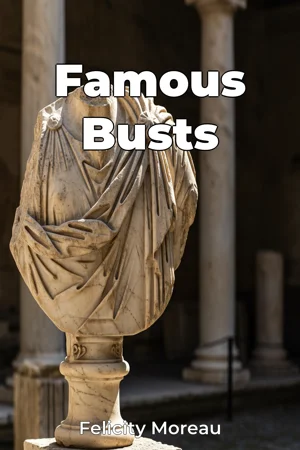
Have you ever wondered how the likeness of a person, absent in life, can still command presence centuries later? "Famous Busts" delves into the captivating world of sculpted portraiture, revealing the secrets behind this enduring art form and its power to immortalize historical figures. This book explores how sculptors throughout history have utilized the bust—a representation of the head, neck, and upper chest—to encapsulate not just physical appearance, but also the character and essence of rulers, thinkers, and influential personalities. This exploration pivots around three core themes. First, the book examines the technical evolution of bust sculpture, tracing the development of materials, tools, and techniques from ancient civilizations to the modern era. Second, it analyzes the iconography and symbolism embedded within these portraits, uncovering how sculptors conveyed power, status, and virtue through subtle details in pose, attire, and facial expression. Third, it investigates the social and political context that shaped the creation and reception of busts, revealing how these artworks served as propaganda, memorials, and expressions of cultural identity. Understanding the historical context is vital to appreciating the significance of busts. The book provides a concise overview of the cultural practices of ancient Rome, where bust sculpture flourished as a means of celebrating emperors and prominent citizens. It further examines the revival of bust portraiture during the Renaissance and its subsequent evolution through the Baroque, Neoclassical, and modern periods. No prior knowledge of art history is required, as the book provides clear explanations of art historical movements and key concepts. The central argument of "Famous Busts" is that busts are not merely decorative objects but rather powerful tools for shaping historical memory and constructing identity. Through careful analysis of form, symbolism, and context, the book reveals how sculptors actively participated in the creation of lasting legacies for their subjects, influencing how we perceive these figures even today. This argument is important because it challenges the notion that portraiture is a passive reflection of reality, instead highlighting the active role of the artist in shaping historical narratives. The book unfolds in a logical progression. It begins with an introduction to the basic principles of bust sculpture, including materials like marble, bronze, and terracotta, and techniques such as carving, casting, and modeling. The subsequent chapters explore distinct historical periods, focusing on notable examples of bust portraiture and the artists who created them. For instance, one chapter examines the Roman tradition of imperial portraiture, analyzing the busts of emperors like Augustus and Hadrian. Another chapter explores the Renaissance revival of classical ideals, focusing on the works of Donatello and Verrocchio. Finally, the book culminates with a discussion of modern and contemporary bust sculpture, revealing how artists continue to engage with this ancient art form in new and innovative ways. The arguments presented are supported by a wealth of visual evidence, including high-quality photographs of famous busts from museums and private collections around the world. The book also draws upon historical documents, such as artists' contracts and contemporary accounts, to provide insights into the creation and reception of these artworks. Furthermore, it incorporates recent art historical scholarship, offering fresh perspectives on familiar subjects. "Famous Busts" also connects to broader fields of study, such as history, political science, and cultural studies. By examining the role of bust sculpture in shaping historical narratives, the book sheds light on the complex interplay between art, power, and memory. It also offers insights into the construction of identity, both individual and collective, and the ways in which art can be used to promote particular ideologies or values. The book's approach is unique in its focus on the bust as a distinct art form, rather than simply a subset of sculpture in general. By exploring the specific challenges and opportunities presented by this format, the book provides a nuanced understanding of its expressive potential. The writing style is accessible and engaging, avoiding jargon and technical terms whenever possible. The tone is informative and authoritative, reflecting the book's commitment to rigorous scholarship. The target audience for "Famous Busts" includes art enthusiasts, history buffs, students, and anyone interested in learning more about the power of portraiture. The book would be a valuable resource for students studying art history, classical studies, or European history. It would also appeal to general readers who enjoy visiting museums and learning about the lives of historical figures. As a work of art history and biography, "Famous Busts" adheres to the conventions of the genre by providing accurate and well-researched information in a clear and objective manner. The scope of the book is primarily limited to Western art, focusing on examples from ancient Rome to the present day. While acknowledging the existence of bust sculpture in other cultures, the book does not attempt to provide a comprehensive global survey. This limitation allows for a more in-depth analysis of the Western tradition. The information presented in "Famous Busts" has practical applications for readers interested in visiting museums, collecting art, or learning more about history. By understanding the symbolism and context of bust sculpture, readers can gain a deeper appreciation for these artworks and their historical significance. The book can also be used as a reference guide for identifying and interpreting busts in museum collections. While the interpretation of art is subjective, the book strives to offer informed and well-supported readings based on historical evidence and scholarly analysis.
Have you ever wondered how the likeness of a person, absent in life, can still command presence centuries later? "Famous Busts" delves into the captivating world of sculpted portraiture, revealing the secrets behind this enduring art form and its power to immortalize historical figures. This book explores how sculptors throughout history have utilized the bust—a representation of the head, neck, and upper chest—to encapsulate not just physical appearance, but also the character and essence of rulers, thinkers, and influential personalities. This exploration pivots around three core themes. First, the book examines the technical evolution of bust sculpture, tracing the development of materials, tools, and techniques from ancient civilizations to the modern era. Second, it analyzes the iconography and symbolism embedded within these portraits, uncovering how sculptors conveyed power, status, and virtue through subtle details in pose, attire, and facial expression. Third, it investigates the social and political context that shaped the creation and reception of busts, revealing how these artworks served as propaganda, memorials, and expressions of cultural identity. Understanding the historical context is vital to appreciating the significance of busts. The book provides a concise overview of the cultural practices of ancient Rome, where bust sculpture flourished as a means of celebrating emperors and prominent citizens. It further examines the revival of bust portraiture during the Renaissance and its subsequent evolution through the Baroque, Neoclassical, and modern periods. No prior knowledge of art history is required, as the book provides clear explanations of art historical movements and key concepts. The central argument of "Famous Busts" is that busts are not merely decorative objects but rather powerful tools for shaping historical memory and constructing identity. Through careful analysis of form, symbolism, and context, the book reveals how sculptors actively participated in the creation of lasting legacies for their subjects, influencing how we perceive these figures even today. This argument is important because it challenges the notion that portraiture is a passive reflection of reality, instead highlighting the active role of the artist in shaping historical narratives. The book unfolds in a logical progression. It begins with an introduction to the basic principles of bust sculpture, including materials like marble, bronze, and terracotta, and techniques such as carving, casting, and modeling. The subsequent chapters explore distinct historical periods, focusing on notable examples of bust portraiture and the artists who created them. For instance, one chapter examines the Roman tradition of imperial portraiture, analyzing the busts of emperors like Augustus and Hadrian. Another chapter explores the Renaissance revival of classical ideals, focusing on the works of Donatello and Verrocchio. Finally, the book culminates with a discussion of modern and contemporary bust sculpture, revealing how artists continue to engage with this ancient art form in new and innovative ways. The arguments presented are supported by a wealth of visual evidence, including high-quality photographs of famous busts from museums and private collections around the world. The book also draws upon historical documents, such as artists' contracts and contemporary accounts, to provide insights into the creation and reception of these artworks. Furthermore, it incorporates recent art historical scholarship, offering fresh perspectives on familiar subjects. "Famous Busts" also connects to broader fields of study, such as history, political science, and cultural studies. By examining the role of bust sculpture in shaping historical narratives, the book sheds light on the complex interplay between art, power, and memory. It also offers insights into the construction of identity, both individual and collective, and the ways in which art can be used to promote particular ideologies or values. The book's approach is unique in its focus on the bust as a distinct art form, rather than simply a subset of sculpture in general. By exploring the specific challenges and opportunities presented by this format, the book provides a nuanced understanding of its expressive potential. The writing style is accessible and engaging, avoiding jargon and technical terms whenever possible. The tone is informative and authoritative, reflecting the book's commitment to rigorous scholarship. The target audience for "Famous Busts" includes art enthusiasts, history buffs, students, and anyone interested in learning more about the power of portraiture. The book would be a valuable resource for students studying art history, classical studies, or European history. It would also appeal to general readers who enjoy visiting museums and learning about the lives of historical figures. As a work of art history and biography, "Famous Busts" adheres to the conventions of the genre by providing accurate and well-researched information in a clear and objective manner. The scope of the book is primarily limited to Western art, focusing on examples from ancient Rome to the present day. While acknowledging the existence of bust sculpture in other cultures, the book does not attempt to provide a comprehensive global survey. This limitation allows for a more in-depth analysis of the Western tradition. The information presented in "Famous Busts" has practical applications for readers interested in visiting museums, collecting art, or learning more about history. By understanding the symbolism and context of bust sculpture, readers can gain a deeper appreciation for these artworks and their historical significance. The book can also be used as a reference guide for identifying and interpreting busts in museum collections. While the interpretation of art is subjective, the book strives to offer informed and well-supported readings based on historical evidence and scholarly analysis.
"Famous Busts" explores the captivating art of sculpted portraiture, revealing how artists have immortalized historical figures through representations of the head, neck, and upper chest. The book examines the evolution of bust sculpture, tracing the development of materials and techniques from ancient Rome to modern times. It unveils how sculptors embedded iconography and symbolism within these portraits to convey power, status, and virtue. Did you know that busts flourished in ancient Rome as a means of celebrating emperors and prominent citizens? Or that the Renaissance saw a revival of bust portraiture, echoing classical ideals? This book uniquely focuses on the bust as a distinct art form, highlighting its expressive potential. Through analysis of form, symbolism, and context, it reveals how sculptors actively shaped historical memory. The approach is accessible, avoiding jargon and technical terms. "Famous Busts" unfolds logically, beginning with basic principles and exploring distinct historical periods. Chapters delve into Roman imperial portraiture and the Renaissance revival before culminating in a discussion of modern and contemporary sculpture. The book argues that busts are not merely decorative objects but tools for shaping historical narratives. It delves into the complex interplay between art, power, and memory, offering insights into the construction of identity. With high-quality photographs and historical documents, "Famous Busts" aims to provide a nuanced understanding of this enduring art form for art enthusiasts, history buffs, and students alike.
Book Details
ISBN
9788235219749
Publisher
Publifye AS
Your Licenses
You don't own any licenses for this book
Purchase a license below to unlock this book and download the EPUB.
Purchase License
Select a tier to unlock this book
Need bulk licensing?
Contact us for enterprise agreements.