
About This Book
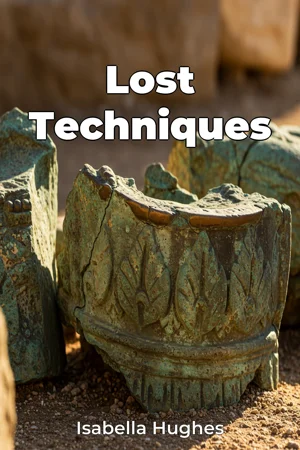
What if the secrets to creating timeless art have already been discovered, only to be lost and now rediscovered? "Lost Techniques" delves into the fascinating world of ancient sculpting methods, examining how these forgotten practices are being resurrected by modern artists seeking to push the boundaries of contemporary art. This book explores not only the historical context of these techniques but also their profound impact on modern artistic expression. The central argument of "Lost Techniques" is that a re-engagement with historical sculpting methods provides modern artists with a crucial bridge to innovation and a deeper understanding of form, material, and artistic intention. This argument carries significant weight as modern art often grapples with questions of originality and the relevance of historical precedent. This study begins by establishing a historical foundation, tracing the evolution of sculpting from early civilizations to the Renaissance. This section serves to contextualize the specific techniques that were later abandoned or forgotten due to changing artistic tastes, technological advancements, or the loss of specialized knowledge within artisan guilds. It then analyzes three significant lost techniques in detail: the indirect lost-wax casting method used by the Greeks, the Roman method of creating colossal bronze statues, and the intricate stone carving techniques employed by medieval artisans. Each exploration will cover the materials used, the tools employed, the step-by-step process, and the challenges inherent in each technique. The book further explores the rediscovery and adaptation of these techniques by modern artists, showing how they are being used to create innovative and compelling works. Through case studies and artist interviews, it examines how modern sculptors are blending ancient knowledge with contemporary technology, resulting in pieces that both honor the past and forge new artistic territory. The evidence presented in "Lost Techniques" draws from a range of sources, including archaeological reports, historical texts, technical manuals, and first-hand accounts from modern artists who are actively reviving these methods. Furthermore, the book incorporates detailed photographs and diagrams to visually illustrate the processes involved. "Lost Techniques" also connects to other fields, such as archaeology, materials science, and art history. Archaeology provides the physical evidence of ancient sculptures and tools, while materials science offers insights into the properties of the materials used and how they have changed over time. Art history grounds these techniques within broader cultural and artistic movements, providing a framework for understanding their significance. A unique aspect of this book is its focus on the practical application of historical knowledge. It not only describes the lost techniques but also explores how they can be used by modern artists to enhance their own work. The book aims to be accessible to a wide audience, including artists, art students, art historians, and anyone interested in the intersection of history and art. The writing style combines scholarly rigor with an engaging narrative, making complex information understandable and captivating. While "Lost Techniques" strives to offer a comprehensive overview, its scope is limited to techniques that were demonstrably lost and subsequently rediscovered. It acknowledges that many traditional sculpting methods have been continuously practiced throughout history and focuses specifically on those that experienced a period of obscurity. Readers will learn practical applications of these techniques, potentially inspiring them to experiment with historical methods in their own artistic endeavors, or to view art with renewed appreciation for the ingenuity and skill of past artisans. While some may argue that modern technology renders these ancient techniques obsolete, this book demonstrates that they still hold relevance and value in the contemporary art world, fostering creativity and innovation.
What if the secrets to creating timeless art have already been discovered, only to be lost and now rediscovered? "Lost Techniques" delves into the fascinating world of ancient sculpting methods, examining how these forgotten practices are being resurrected by modern artists seeking to push the boundaries of contemporary art. This book explores not only the historical context of these techniques but also their profound impact on modern artistic expression. The central argument of "Lost Techniques" is that a re-engagement with historical sculpting methods provides modern artists with a crucial bridge to innovation and a deeper understanding of form, material, and artistic intention. This argument carries significant weight as modern art often grapples with questions of originality and the relevance of historical precedent. This study begins by establishing a historical foundation, tracing the evolution of sculpting from early civilizations to the Renaissance. This section serves to contextualize the specific techniques that were later abandoned or forgotten due to changing artistic tastes, technological advancements, or the loss of specialized knowledge within artisan guilds. It then analyzes three significant lost techniques in detail: the indirect lost-wax casting method used by the Greeks, the Roman method of creating colossal bronze statues, and the intricate stone carving techniques employed by medieval artisans. Each exploration will cover the materials used, the tools employed, the step-by-step process, and the challenges inherent in each technique. The book further explores the rediscovery and adaptation of these techniques by modern artists, showing how they are being used to create innovative and compelling works. Through case studies and artist interviews, it examines how modern sculptors are blending ancient knowledge with contemporary technology, resulting in pieces that both honor the past and forge new artistic territory. The evidence presented in "Lost Techniques" draws from a range of sources, including archaeological reports, historical texts, technical manuals, and first-hand accounts from modern artists who are actively reviving these methods. Furthermore, the book incorporates detailed photographs and diagrams to visually illustrate the processes involved. "Lost Techniques" also connects to other fields, such as archaeology, materials science, and art history. Archaeology provides the physical evidence of ancient sculptures and tools, while materials science offers insights into the properties of the materials used and how they have changed over time. Art history grounds these techniques within broader cultural and artistic movements, providing a framework for understanding their significance. A unique aspect of this book is its focus on the practical application of historical knowledge. It not only describes the lost techniques but also explores how they can be used by modern artists to enhance their own work. The book aims to be accessible to a wide audience, including artists, art students, art historians, and anyone interested in the intersection of history and art. The writing style combines scholarly rigor with an engaging narrative, making complex information understandable and captivating. While "Lost Techniques" strives to offer a comprehensive overview, its scope is limited to techniques that were demonstrably lost and subsequently rediscovered. It acknowledges that many traditional sculpting methods have been continuously practiced throughout history and focuses specifically on those that experienced a period of obscurity. Readers will learn practical applications of these techniques, potentially inspiring them to experiment with historical methods in their own artistic endeavors, or to view art with renewed appreciation for the ingenuity and skill of past artisans. While some may argue that modern technology renders these ancient techniques obsolete, this book demonstrates that they still hold relevance and value in the contemporary art world, fostering creativity and innovation.
"Lost Techniques" explores the fascinating world of ancient sculpting methods and their surprising revival by modern artists. It argues that re-engaging with these historical techniques provides a bridge to innovation, offering a deeper understanding of form and artistic intention. The book highlights intriguing facts, such as the intricate indirect lost-wax casting perfected by the Greeks and the Romans' ambitious methods for crafting colossal bronze statues. The book begins by establishing a historical context, tracing sculpting's evolution from early civilizations to the Renaissance. It then delves into specific lost techniques, examining materials, tools, and processes. Through case studies and artist interviews, "Lost Techniques" demonstrates how modern sculptors blend ancient knowledge with contemporary technology. It connects archaeology, materials science, and art history, offering a comprehensive yet accessible look at these rediscovered methods and their impact on contemporary art.
Book Details
ISBN
9788235219732
Publisher
Publifye AS
Your Licenses
You don't own any licenses for this book
Purchase a license below to unlock this book and download the EPUB.
Purchase License
Select a tier to unlock this book
Need bulk licensing?
Contact us for enterprise agreements.