
About This Book
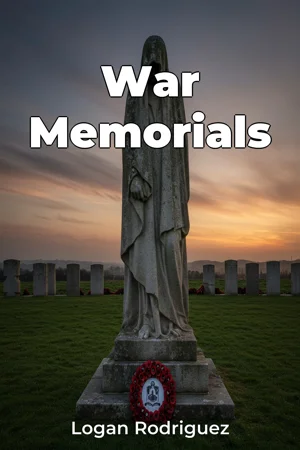
How do societies remember their wars, and what enduring forms do these memories take? "War Memorials" explores the profound role of sculpture in shaping and preserving the collective memory of military conflicts. This book delves into how artists have immortalized historical events and the sacrifices of soldiers through powerful and evocative monuments. We will explore the evolution of war memorials from simple markers to complex artistic statements, focusing on their ability to reflect changing attitudes toward war, nationalism, and remembrance. We will examine the artistic and cultural significance of these monuments, considering not only their physical presence but also their symbolic weight within the historical narrative. Understanding the context in which these memorials were created—socially, politically, and artistically—is crucial to grasping their enduring power. The central argument of "War Memorials" is that these sculptures are not merely static representations of the past but active agents in shaping our understanding of war and its consequences. They serve as focal points for national identity, grief, and reflection, even as their meanings evolve over time. This argument is important because it challenges the perception of memorials as passive historical artifacts, highlighting their dynamic role in shaping public discourse and cultural values. The book is structured to provide a comprehensive overview of the subject. It begins by introducing the concept of war memorials and their historical development, from ancient battle monuments to modern installations. The initial chapters explore the early motivations behind creating war memorials and the prevalent artistic styles of different eras. The subsequent sections focus on specific case studies, examining significant war memorials from various countries and historical periods. These case studies analyze the artistic techniques employed, the historical context surrounding their creation, and the social impact of these monuments on their respective communities. The book also explores the controversies and debates surrounding war memorials, such as issues of representation, historical accuracy, and the ethics of glorifying violence. Finally, the culmination of the argument emphasizes the ongoing relevance of war memorials in contemporary society, exploring their role in promoting peace, reconciliation, and critical reflection on the costs of conflict. The evidence presented in "War Memorials" includes detailed analyses of individual sculptures, historical documents relating to their creation and reception, and comparative studies of memorial practices across different cultures. Unique data sources include archival photographs, artists' sketches, and contemporary accounts from soldiers, civilians, and government officials. "War Memorials" connects to other fields of study such as art history, military history, and sociology. The art historical perspective provides insights into the aesthetic qualities and artistic influences shaping the sculptures. The military history lens offers a deeper understanding of the historical events commemorated and the experiences of those who served. The sociological dimension explores the social and cultural impact of war memorials on communities and national identities. This book takes a multifaceted approach, analyzing war memorials not only as artistic creations but also as cultural artifacts that reflect and shape societal values. It emphasizes the importance of understanding the historical context, artistic techniques, and social impact of these monuments. Written in an accessible style, "War Memorials" is aimed at a broad audience, including art enthusiasts, history buffs, military historians, and anyone interested in the cultural impact of war. It offers valuable insights into the complex relationship between art, memory, and national identity. The scope of "War Memorials" encompasses a wide range of historical periods and geographical locations, but it intentionally focuses on three-dimensional sculptural forms. While other forms of memorialization are acknowledged, the book's primary focus remains on the artistic and historical significance of war memorials. The information in "War Memorials" can be applied practically by readers interested in understanding the cultural and political significance of public art, the role of memory in shaping national identity, and the ways in which societies grapple with the legacy of war. The book addresses ongoing debates surrounding war memorials, such as controversies over the representation of certain historical events, ethical considerations regarding the glorification of violence, and discussions about the appropriateness of certain artistic styles in commemorating loss and sacrifice.
How do societies remember their wars, and what enduring forms do these memories take? "War Memorials" explores the profound role of sculpture in shaping and preserving the collective memory of military conflicts. This book delves into how artists have immortalized historical events and the sacrifices of soldiers through powerful and evocative monuments. We will explore the evolution of war memorials from simple markers to complex artistic statements, focusing on their ability to reflect changing attitudes toward war, nationalism, and remembrance. We will examine the artistic and cultural significance of these monuments, considering not only their physical presence but also their symbolic weight within the historical narrative. Understanding the context in which these memorials were created—socially, politically, and artistically—is crucial to grasping their enduring power. The central argument of "War Memorials" is that these sculptures are not merely static representations of the past but active agents in shaping our understanding of war and its consequences. They serve as focal points for national identity, grief, and reflection, even as their meanings evolve over time. This argument is important because it challenges the perception of memorials as passive historical artifacts, highlighting their dynamic role in shaping public discourse and cultural values. The book is structured to provide a comprehensive overview of the subject. It begins by introducing the concept of war memorials and their historical development, from ancient battle monuments to modern installations. The initial chapters explore the early motivations behind creating war memorials and the prevalent artistic styles of different eras. The subsequent sections focus on specific case studies, examining significant war memorials from various countries and historical periods. These case studies analyze the artistic techniques employed, the historical context surrounding their creation, and the social impact of these monuments on their respective communities. The book also explores the controversies and debates surrounding war memorials, such as issues of representation, historical accuracy, and the ethics of glorifying violence. Finally, the culmination of the argument emphasizes the ongoing relevance of war memorials in contemporary society, exploring their role in promoting peace, reconciliation, and critical reflection on the costs of conflict. The evidence presented in "War Memorials" includes detailed analyses of individual sculptures, historical documents relating to their creation and reception, and comparative studies of memorial practices across different cultures. Unique data sources include archival photographs, artists' sketches, and contemporary accounts from soldiers, civilians, and government officials. "War Memorials" connects to other fields of study such as art history, military history, and sociology. The art historical perspective provides insights into the aesthetic qualities and artistic influences shaping the sculptures. The military history lens offers a deeper understanding of the historical events commemorated and the experiences of those who served. The sociological dimension explores the social and cultural impact of war memorials on communities and national identities. This book takes a multifaceted approach, analyzing war memorials not only as artistic creations but also as cultural artifacts that reflect and shape societal values. It emphasizes the importance of understanding the historical context, artistic techniques, and social impact of these monuments. Written in an accessible style, "War Memorials" is aimed at a broad audience, including art enthusiasts, history buffs, military historians, and anyone interested in the cultural impact of war. It offers valuable insights into the complex relationship between art, memory, and national identity. The scope of "War Memorials" encompasses a wide range of historical periods and geographical locations, but it intentionally focuses on three-dimensional sculptural forms. While other forms of memorialization are acknowledged, the book's primary focus remains on the artistic and historical significance of war memorials. The information in "War Memorials" can be applied practically by readers interested in understanding the cultural and political significance of public art, the role of memory in shaping national identity, and the ways in which societies grapple with the legacy of war. The book addresses ongoing debates surrounding war memorials, such as controversies over the representation of certain historical events, ethical considerations regarding the glorification of violence, and discussions about the appropriateness of certain artistic styles in commemorating loss and sacrifice.
"War Memorials" explores how societies remember conflicts through sculpture, examining these monuments as powerful tools for shaping cultural memory and national identity. These artistic creations reflect evolving attitudes towards war, remembrance, and nationalism. For example, early memorials often served as simple markers, while modern installations can be complex artistic statements. The book highlights how these memorials, beyond being static representations, actively shape our understanding of war's consequences. The book progresses from the historical development of war memorials, tracing their evolution from ancient times to the present day. It features case studies that analyze artistic techniques, historical contexts, and the social impact of memorials across various countries. The narrative also addresses controversies surrounding these monuments, such as issues of representation and the ethics of glorifying violence. Ultimately, "War Memorials" argues for the ongoing relevance of these sculptures in promoting peace, reconciliation, and critical reflection on the costs of military conflicts, providing valuable insights into the intersection of art history, military history, and cultural values.
Book Details
ISBN
9788235219725
Publisher
Publifye AS
Your Licenses
You don't own any licenses for this book
Purchase a license below to unlock this book and download the EPUB.
Purchase License
Select a tier to unlock this book
Need bulk licensing?
Contact us for enterprise agreements.