
About This Book
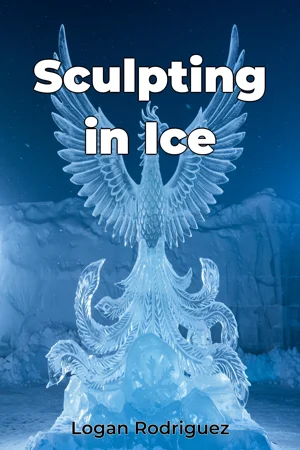
Why does something so meticulously crafted need to melt away? "Sculpting in Ice" explores the captivating history and global phenomenon of ice sculptures, a transient art form that has transformed cultural festivals and artistic expression across the world. This book delves into the confluence of art, history, and cultural practice that has elevated ice sculpting from a purely functional craft to a celebrated, albeit temporary, art. We will examine the development and its cultural impact, from its rudimentary origins to its modern-day manifestations. This book is structured around three key themes. First, it traces the historical evolution of ice sculpting, from its practical uses in food preservation and display to its gradual emergence as an artistic medium. Second, it investigates the diverse cultural contexts in which ice sculpting has flourished, from the winter festivals of Northern China and Japan to European aristocratic displays, examining how different societies have adapted and interpreted this art form to reflect their unique values and traditions. Third, it explores the technical aspects of ice sculpting, including tools, techniques, and the challenges inherent in working with such a volatile material. Understanding the science of ice formation, its properties, and how temperature affects its manipulation is crucial. The book will provide an overview of these principles to better appreciate the artistry and ingenuity involved. The central argument is that ice sculpting, despite its ephemeral nature, holds significant cultural value as a reflection of human creativity, adaptation, and the acceptance of transience. This argument is important because it challenges traditional notions of art as something permanent and enduring, highlighting the beauty and meaning that can be found in impermanence. The book begins by introducing the basic principles of ice formation and its early uses, setting the stage for a chronological exploration of ice sculpting's history. It then moves on to a series of case studies, each focusing on a different cultural region and its unique approach to ice sculpting. These case studies examine how techniques, aesthetics, and cultural meanings vary across the globe. The book culminates in a discussion of the contemporary state of ice sculpting, including its role in modern art, culinary display, and competitive events. To support these arguments, the book draws upon a variety of sources, including historical documents, ethnographic studies, interviews with contemporary ice sculptors, and photographic documentation of ice festivals and competitions around the world. The book also utilizes scientific data on ice properties and climate to provide a deeper understanding of the material and environmental challenges faced by ice sculptors. "Sculpting in Ice" sits at the intersection of art history, cultural studies, and environmental science. It connects to art history by examining ice sculpting as a form of artistic expression, to cultural studies by exploring its role in shaping cultural identity and traditions, and to environmental science by considering the impact of climate change on the future of this art form. This book offers a study of ice sculpting, emphasizing its interplay with cultural practices and environmental factors. This approach allows for a more holistic and comprehensive understanding of its significance. The book adopts a narrative non-fiction style, incorporating historical accounts, personal stories, and vivid descriptions to bring the subject to life while maintaining scholarly rigor through detailed research and analysis. The target audience includes art enthusiasts, cultural heritage professionals, historians, culinary artists, and anyone interested in the intersection of art, culture, and the environment. It would be valuable because it offers a novel perspective on art history and cultural expression, highlighting the significance of a often-overlooked art form and providing insights into its cultural and environmental context. As a work of history and art, "Sculpting in Ice" adheres to the standards of academic rigor, providing meticulously researched information, cited sources, and balanced perspectives. While the book offers a broad overview of ice sculpting traditions worldwide, it focuses primarily on regions with established ice sculpting practices, such as China, Japan, and Europe, with less coverage of regions where ice sculpting is less prevalent. The techniques and insights discussed can be applied in practical settings, from planning winter festivals to understanding the cultural significance of ephemeral art forms and raising awareness about climate change. While ice sculpting is generally celebrated as a harmless art form, the book also addresses the environmental implications of using large quantities of water and energy to create temporary structures, prompting reflection on the sustainability of such practices.
Why does something so meticulously crafted need to melt away? "Sculpting in Ice" explores the captivating history and global phenomenon of ice sculptures, a transient art form that has transformed cultural festivals and artistic expression across the world. This book delves into the confluence of art, history, and cultural practice that has elevated ice sculpting from a purely functional craft to a celebrated, albeit temporary, art. We will examine the development and its cultural impact, from its rudimentary origins to its modern-day manifestations. This book is structured around three key themes. First, it traces the historical evolution of ice sculpting, from its practical uses in food preservation and display to its gradual emergence as an artistic medium. Second, it investigates the diverse cultural contexts in which ice sculpting has flourished, from the winter festivals of Northern China and Japan to European aristocratic displays, examining how different societies have adapted and interpreted this art form to reflect their unique values and traditions. Third, it explores the technical aspects of ice sculpting, including tools, techniques, and the challenges inherent in working with such a volatile material. Understanding the science of ice formation, its properties, and how temperature affects its manipulation is crucial. The book will provide an overview of these principles to better appreciate the artistry and ingenuity involved. The central argument is that ice sculpting, despite its ephemeral nature, holds significant cultural value as a reflection of human creativity, adaptation, and the acceptance of transience. This argument is important because it challenges traditional notions of art as something permanent and enduring, highlighting the beauty and meaning that can be found in impermanence. The book begins by introducing the basic principles of ice formation and its early uses, setting the stage for a chronological exploration of ice sculpting's history. It then moves on to a series of case studies, each focusing on a different cultural region and its unique approach to ice sculpting. These case studies examine how techniques, aesthetics, and cultural meanings vary across the globe. The book culminates in a discussion of the contemporary state of ice sculpting, including its role in modern art, culinary display, and competitive events. To support these arguments, the book draws upon a variety of sources, including historical documents, ethnographic studies, interviews with contemporary ice sculptors, and photographic documentation of ice festivals and competitions around the world. The book also utilizes scientific data on ice properties and climate to provide a deeper understanding of the material and environmental challenges faced by ice sculptors. "Sculpting in Ice" sits at the intersection of art history, cultural studies, and environmental science. It connects to art history by examining ice sculpting as a form of artistic expression, to cultural studies by exploring its role in shaping cultural identity and traditions, and to environmental science by considering the impact of climate change on the future of this art form. This book offers a study of ice sculpting, emphasizing its interplay with cultural practices and environmental factors. This approach allows for a more holistic and comprehensive understanding of its significance. The book adopts a narrative non-fiction style, incorporating historical accounts, personal stories, and vivid descriptions to bring the subject to life while maintaining scholarly rigor through detailed research and analysis. The target audience includes art enthusiasts, cultural heritage professionals, historians, culinary artists, and anyone interested in the intersection of art, culture, and the environment. It would be valuable because it offers a novel perspective on art history and cultural expression, highlighting the significance of a often-overlooked art form and providing insights into its cultural and environmental context. As a work of history and art, "Sculpting in Ice" adheres to the standards of academic rigor, providing meticulously researched information, cited sources, and balanced perspectives. While the book offers a broad overview of ice sculpting traditions worldwide, it focuses primarily on regions with established ice sculpting practices, such as China, Japan, and Europe, with less coverage of regions where ice sculpting is less prevalent. The techniques and insights discussed can be applied in practical settings, from planning winter festivals to understanding the cultural significance of ephemeral art forms and raising awareness about climate change. While ice sculpting is generally celebrated as a harmless art form, the book also addresses the environmental implications of using large quantities of water and energy to create temporary structures, prompting reflection on the sustainability of such practices.
"Sculpting in Ice" explores the captivating world of ice sculptures, an ephemeral art form deeply rooted in history and cultural festivals across the globe. This book examines how ice sculpting evolved from practical uses like food preservation to a celebrated art, highlighting its significance in various cultures. A key insight is how different societies, from Northern China and Japan to European aristocracy, have uniquely adapted ice sculpting to mirror their values, showcasing the art's inherent flexibility and cultural relevance. The book delves into the techniques and challenges of working with ice, emphasizing the science behind its formation and manipulation. It argues that despite its transient nature, ice sculpting holds substantial cultural value, reflecting human creativity and acceptance of impermanence. The narrative unfolds chronologically, beginning with the basics of ice formation and progressing through case studies of different cultural regions before concluding with a discussion of contemporary ice sculpting in culinary displays and art. Through historical documents, interviews, and photographic documentation, the book illustrates the ephemeral nature of ice art. By exploring this intersection of art history, cultural studies, and environmental science, "Sculpting in Ice" offers a unique perspective on this often-overlooked art form, emphasizing its cultural and environmental context.
Book Details
ISBN
9788235219695
Publisher
Publifye AS
Your Licenses
You don't own any licenses for this book
Purchase a license below to unlock this book and download the EPUB.
Purchase License
Select a tier to unlock this book
Need bulk licensing?
Contact us for enterprise agreements.