
About This Book
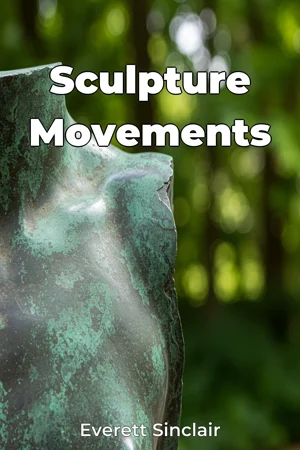
How did sculpture evolve from mimicking life to challenging its very definition? "Sculpture Movements" explores the fascinating journey of sculptural art, tracing its transformation from classical realism to the radical avant-garde experimentation that redefined artistic expression. This book serves as a comprehensive guide to understanding the key movements and artists who shaped the trajectory of this dynamic art form. The core of this exploration focuses on three pivotal themes: the evolving relationship between sculpture and representation, the impact of technological advancements on sculptural practices, and the sociopolitical contexts that influenced artistic expression. These themes are important because they provide a framework for understanding not just the "what" of sculpture – the forms and materials – but also the "why" – the underlying motivations and ideas that drove artistic innovation. The book emphasizes how sculptors responded to and shaped their environments, reflecting and challenging prevailing norms. To fully appreciate the evolution of sculpture, it is important to understand the historical context in which it was created. This book delves into the artistic, social, and political climates that shaped each movement, from the idealized forms of ancient Greece to the industrial landscapes that inspired modern sculptors. No prior knowledge of art history is strictly required, but an interest in how art reflects and influences society will greatly enhance the reading experience. The central argument of "Sculpture Movements" is that the history of sculpture is not merely a linear progression of styles, but a complex interplay of innovation, reaction, and reinterpretation. The book posits that each movement builds upon or deliberately rejects the ideas and techniques of its predecessors, creating a rich and dynamic dialogue across time. This understanding is vital because it allows us to appreciate the depth and complexity of sculptural art, moving beyond surface aesthetics to grasp the underlying intellectual and cultural currents. The book unfolds in a structured manner, beginning with an introduction to the fundamental principles of sculpture and an overview of classical realism, highlighting its emphasis on accurate representation and idealized forms. It then moves into a detailed examination of key movements, such as Neoclassicism, Romanticism, and Realism, emphasizing how each movement challenged or reinforced existing conventions. A significant portion of the book is dedicated to the revolutionary impact of modernism, exploring movements like Cubism, Futurism, and Surrealism, and the radical experimentation they brought to sculptural form and materials. The book culminates in an analysis of postmodern and contemporary sculpture, examining the diverse range of approaches and ideas that characterize the field today. The book draws upon a wide array of sources, including historical texts, artists' manifestos, critical essays, and museum collections. It features high-quality images of significant sculptures from each movement, providing visual support for the arguments presented. The methodology emphasizes close analysis of individual works within their historical and cultural contexts. "Sculpture Movements" has strong interdisciplinary connections to fields such as history, sociology, and philosophy. It considers how historical events, social structures, and philosophical ideas shaped the development of sculptural art. It also explores the relationship between sculpture and architecture, examining how these two art forms have influenced each other throughout history. These connections enrich the book's argument by demonstrating the broader cultural significance of sculpture. A unique aspect of this book is its focus on the artists' intentions and motivations, moving beyond a purely formal analysis to explore the intellectual and emotional forces that drove their creative processes. It emphasizes how sculptors responded to the challenges and opportunities of their time, using their art to express personal visions, engage with social issues, and push the boundaries of artistic expression. The tone of the book is informative and engaging, aiming to make complex ideas accessible to a broad audience. The writing style is clear and concise, avoiding jargon and technical terms whenever possible. The book is aimed at art students, art enthusiasts, and anyone interested in learning more about the history and evolution of sculpture. It will also be valuable to designers seeking inspiration from the rich and diverse world of sculptural art. As a survey, "Sculpture Movements" focuses primarily on Western sculptural traditions, acknowledging the vast and diverse world of non-Western sculpture, while addressing the core movements that significantly impacted the art world and its discourse. The book's content can be readily applied to art education, museum studies, and creative practices, offering readers a deeper understanding of the historical context and conceptual frameworks that underpin sculptural art. While exploring the history of sculpture, the book also touches upon ongoing debates surrounding issues such as cultural appropriation, the role of technology in art, and the definition of art itself. By engaging with these controversies, the book encourages readers to think critically about the future of sculpture and its place in contemporary society.
How did sculpture evolve from mimicking life to challenging its very definition? "Sculpture Movements" explores the fascinating journey of sculptural art, tracing its transformation from classical realism to the radical avant-garde experimentation that redefined artistic expression. This book serves as a comprehensive guide to understanding the key movements and artists who shaped the trajectory of this dynamic art form. The core of this exploration focuses on three pivotal themes: the evolving relationship between sculpture and representation, the impact of technological advancements on sculptural practices, and the sociopolitical contexts that influenced artistic expression. These themes are important because they provide a framework for understanding not just the "what" of sculpture – the forms and materials – but also the "why" – the underlying motivations and ideas that drove artistic innovation. The book emphasizes how sculptors responded to and shaped their environments, reflecting and challenging prevailing norms. To fully appreciate the evolution of sculpture, it is important to understand the historical context in which it was created. This book delves into the artistic, social, and political climates that shaped each movement, from the idealized forms of ancient Greece to the industrial landscapes that inspired modern sculptors. No prior knowledge of art history is strictly required, but an interest in how art reflects and influences society will greatly enhance the reading experience. The central argument of "Sculpture Movements" is that the history of sculpture is not merely a linear progression of styles, but a complex interplay of innovation, reaction, and reinterpretation. The book posits that each movement builds upon or deliberately rejects the ideas and techniques of its predecessors, creating a rich and dynamic dialogue across time. This understanding is vital because it allows us to appreciate the depth and complexity of sculptural art, moving beyond surface aesthetics to grasp the underlying intellectual and cultural currents. The book unfolds in a structured manner, beginning with an introduction to the fundamental principles of sculpture and an overview of classical realism, highlighting its emphasis on accurate representation and idealized forms. It then moves into a detailed examination of key movements, such as Neoclassicism, Romanticism, and Realism, emphasizing how each movement challenged or reinforced existing conventions. A significant portion of the book is dedicated to the revolutionary impact of modernism, exploring movements like Cubism, Futurism, and Surrealism, and the radical experimentation they brought to sculptural form and materials. The book culminates in an analysis of postmodern and contemporary sculpture, examining the diverse range of approaches and ideas that characterize the field today. The book draws upon a wide array of sources, including historical texts, artists' manifestos, critical essays, and museum collections. It features high-quality images of significant sculptures from each movement, providing visual support for the arguments presented. The methodology emphasizes close analysis of individual works within their historical and cultural contexts. "Sculpture Movements" has strong interdisciplinary connections to fields such as history, sociology, and philosophy. It considers how historical events, social structures, and philosophical ideas shaped the development of sculptural art. It also explores the relationship between sculpture and architecture, examining how these two art forms have influenced each other throughout history. These connections enrich the book's argument by demonstrating the broader cultural significance of sculpture. A unique aspect of this book is its focus on the artists' intentions and motivations, moving beyond a purely formal analysis to explore the intellectual and emotional forces that drove their creative processes. It emphasizes how sculptors responded to the challenges and opportunities of their time, using their art to express personal visions, engage with social issues, and push the boundaries of artistic expression. The tone of the book is informative and engaging, aiming to make complex ideas accessible to a broad audience. The writing style is clear and concise, avoiding jargon and technical terms whenever possible. The book is aimed at art students, art enthusiasts, and anyone interested in learning more about the history and evolution of sculpture. It will also be valuable to designers seeking inspiration from the rich and diverse world of sculptural art. As a survey, "Sculpture Movements" focuses primarily on Western sculptural traditions, acknowledging the vast and diverse world of non-Western sculpture, while addressing the core movements that significantly impacted the art world and its discourse. The book's content can be readily applied to art education, museum studies, and creative practices, offering readers a deeper understanding of the historical context and conceptual frameworks that underpin sculptural art. While exploring the history of sculpture, the book also touches upon ongoing debates surrounding issues such as cultural appropriation, the role of technology in art, and the definition of art itself. By engaging with these controversies, the book encourages readers to think critically about the future of sculpture and its place in contemporary society.
"Sculpture Movements" offers a journey through the evolution of sculptural art, from its classical roots to modern experimentation. This exploration reveals how sculptural practices transformed, influenced by technological advancements and shifting sociopolitical landscapes. Delving into art history, the book highlights the dynamic interplay between sculpture and representation, showcasing how artists have consistently challenged and redefined artistic expression. The book progresses chronologically, beginning with classical realism and moving through pivotal movements like Neoclassicism, Cubism, and Surrealism. By examining the historical context and artists' intentions, "Sculpture Movements" provides a deeper understanding of the intellectual and emotional forces behind their creative processes. A key insight is how each movement either builds upon or deliberately rejects the ideas and techniques of its predecessors, creating a rich dialogue across time. Focusing primarily on Western sculpture, this guide emphasizes the core movements that have significantly impacted the art world. Through detailed analyses and visual examples, the book makes complex ideas accessible to a broad audience, making it a valuable resource for art students, enthusiasts, and designers alike.
Book Details
ISBN
9788235219671
Publisher
Publifye AS
Your Licenses
You don't own any licenses for this book
Purchase a license below to unlock this book and download the EPUB.
Purchase License
Select a tier to unlock this book
Need bulk licensing?
Contact us for enterprise agreements.