
About This Book
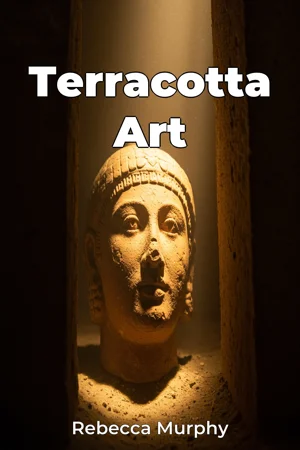
What can fired clay reveal about vanished civilizations and enduring artistic traditions? "Terracotta Art" delves into the rich history and multifaceted significance of terracotta sculptures across diverse cultures, offering a comprehensive exploration of their creation, function, and lasting impact. This book examines terracotta's role not just as a medium for artistic expression, but as a vital historical record, revealing insights into ancient beliefs, social structures, and technological advancements. We will explore three primary themes: the origins and evolution of terracotta sculpting techniques; the diverse applications of terracotta in funerary practices, religious contexts, and decorative arts; and the cultural and historical interpretations of terracotta artifacts from around the world. These topics are critically important because they illuminate the connections between ancient societies and their artistic outputs, offering tangible links to the past and a deeper understanding of human creativity. Setting the stage, we’ll first consider the geological ubiquity of clay and the independent discovery of firing techniques across different continents. No prior knowledge is needed on the reader's part to pick up this book, although a basic understanding of world history can be helpful. The central argument posited throughout "Terracotta Art" is that terracotta sculptures, often overlooked in favor of more "precious" materials like bronze, gold or marble, serve as invaluable primary sources that offer a unique perspective on the lives, rituals, and artistic sensibilities of past civilizations. These objects provide important information often absent from written records or grander monuments. This book is structured in three parts. Initially, "Terracotta Art" establishes the fundamental properties of clay and the various processes involved in terracotta production, from initial modeling to firing and surface treatment. This section covers the development of kilns and firing methods, examining how technological innovations influenced the scale and complexity of terracotta works. The second part explores the applications of terracotta in burial sites, temples, and domestic settings, analyzing specific examples from ancient Egypt, Mesopotamia, Greece, Rome, China, and pre-Columbian America. We will discuss how terracotta figurines served as grave goods, representations of deities, architectural decorations, and everyday objects, revealing insights into funerary beliefs, religious practices, and social hierarchies. Finally, the book culminates in an examination of the cultural and historical interpretations of terracotta art, analyzing regional styles, symbolic meanings, and the impact of terracotta on subsequent artistic traditions. This section explores how terracotta sculptures reflect cultural values and beliefs, and how they have been interpreted by archaeologists, art historians, and contemporary artists. The evidence presented is based upon archaeological discoveries, museum collections, and scholarly research from a range of different regions. We will draw upon excavation reports, scientific analyses of materials, and iconographic studies to support our arguments. "Terracotta Art" connects to several other fields of study, including archaeology, anthropology, art history, and materials science. The archaeological context of terracotta finds provides crucial information about their function and meaning. Anthropological studies offer insights into the cultural beliefs and practices associated with terracotta objects. Art history provides a framework for understanding the aesthetic qualities and stylistic developments of terracotta sculpture. Materials science contributes to the analysis of clay composition and firing techniques. This book distinguishes itself due to its comprehensive scope, interdisciplinary approach, and its focus on the often-underestimated significance of terracotta as a source of historical and cultural knowledge. The tone is informative and accessible, suitable for both a general audience and scholars in related fields. The writing style is clear and concise, emphasizing detailed descriptions, insightful analysis, and engaging storytelling. The primary target audience includes students, researchers, art enthusiasts, history buffs, and anyone interested in learning more about ancient civilizations and artistic traditions. The book offers a valuable resource for those seeking a deeper understanding of terracotta art and its significance in shaping human history. As a non-fiction work in the fields of history and art, "Terracotta Art" adheres to principles of accuracy, objectivity, and evidence-based analysis. The book aims to provide a comprehensive overview of terracotta art across different cultures and historical periods. The main limitation resides in the depth of analysis for each single instance of terracotta art. The information contained in this book can be applied by readers to better understand material culture; for example, museum professionals might apply the principles of the book to present exhibitions or new research. The book examines controversies surrounding the interpretation of certain terracotta artifacts, such as the debate over the authenticity and meaning of the terracotta warriors from the Mausoleum of the First Qin Emperor.
What can fired clay reveal about vanished civilizations and enduring artistic traditions? "Terracotta Art" delves into the rich history and multifaceted significance of terracotta sculptures across diverse cultures, offering a comprehensive exploration of their creation, function, and lasting impact. This book examines terracotta's role not just as a medium for artistic expression, but as a vital historical record, revealing insights into ancient beliefs, social structures, and technological advancements. We will explore three primary themes: the origins and evolution of terracotta sculpting techniques; the diverse applications of terracotta in funerary practices, religious contexts, and decorative arts; and the cultural and historical interpretations of terracotta artifacts from around the world. These topics are critically important because they illuminate the connections between ancient societies and their artistic outputs, offering tangible links to the past and a deeper understanding of human creativity. Setting the stage, we’ll first consider the geological ubiquity of clay and the independent discovery of firing techniques across different continents. No prior knowledge is needed on the reader's part to pick up this book, although a basic understanding of world history can be helpful. The central argument posited throughout "Terracotta Art" is that terracotta sculptures, often overlooked in favor of more "precious" materials like bronze, gold or marble, serve as invaluable primary sources that offer a unique perspective on the lives, rituals, and artistic sensibilities of past civilizations. These objects provide important information often absent from written records or grander monuments. This book is structured in three parts. Initially, "Terracotta Art" establishes the fundamental properties of clay and the various processes involved in terracotta production, from initial modeling to firing and surface treatment. This section covers the development of kilns and firing methods, examining how technological innovations influenced the scale and complexity of terracotta works. The second part explores the applications of terracotta in burial sites, temples, and domestic settings, analyzing specific examples from ancient Egypt, Mesopotamia, Greece, Rome, China, and pre-Columbian America. We will discuss how terracotta figurines served as grave goods, representations of deities, architectural decorations, and everyday objects, revealing insights into funerary beliefs, religious practices, and social hierarchies. Finally, the book culminates in an examination of the cultural and historical interpretations of terracotta art, analyzing regional styles, symbolic meanings, and the impact of terracotta on subsequent artistic traditions. This section explores how terracotta sculptures reflect cultural values and beliefs, and how they have been interpreted by archaeologists, art historians, and contemporary artists. The evidence presented is based upon archaeological discoveries, museum collections, and scholarly research from a range of different regions. We will draw upon excavation reports, scientific analyses of materials, and iconographic studies to support our arguments. "Terracotta Art" connects to several other fields of study, including archaeology, anthropology, art history, and materials science. The archaeological context of terracotta finds provides crucial information about their function and meaning. Anthropological studies offer insights into the cultural beliefs and practices associated with terracotta objects. Art history provides a framework for understanding the aesthetic qualities and stylistic developments of terracotta sculpture. Materials science contributes to the analysis of clay composition and firing techniques. This book distinguishes itself due to its comprehensive scope, interdisciplinary approach, and its focus on the often-underestimated significance of terracotta as a source of historical and cultural knowledge. The tone is informative and accessible, suitable for both a general audience and scholars in related fields. The writing style is clear and concise, emphasizing detailed descriptions, insightful analysis, and engaging storytelling. The primary target audience includes students, researchers, art enthusiasts, history buffs, and anyone interested in learning more about ancient civilizations and artistic traditions. The book offers a valuable resource for those seeking a deeper understanding of terracotta art and its significance in shaping human history. As a non-fiction work in the fields of history and art, "Terracotta Art" adheres to principles of accuracy, objectivity, and evidence-based analysis. The book aims to provide a comprehensive overview of terracotta art across different cultures and historical periods. The main limitation resides in the depth of analysis for each single instance of terracotta art. The information contained in this book can be applied by readers to better understand material culture; for example, museum professionals might apply the principles of the book to present exhibitions or new research. The book examines controversies surrounding the interpretation of certain terracotta artifacts, such as the debate over the authenticity and meaning of the terracotta warriors from the Mausoleum of the First Qin Emperor.
"Terracotta Art" explores the fascinating world of fired clay sculptures, revealing their historical and artistic significance across ancient civilizations. Often overlooked in favor of "precious" materials, terracotta artifacts provide invaluable insights into the lives, rituals, and artistic sensibilities of past societies. For instance, the book highlights how the independent discovery of firing techniques on different continents led to diverse artistic expressions, and it examines the role of terracotta in funerary practices, where figurines served as grave goods reflecting beliefs about the afterlife. The book progresses through three key sections: the evolution of sculpting techniques, the diverse applications of terracotta in various cultural contexts (such as religious and domestic settings), and the cultural and historical interpretations of these artifacts. By examining examples from ancient Egypt, Greece, China, and pre-Columbian America, the book demonstrates how terracotta sculptures served as vital historical records, offering unique perspectives often absent from written sources. This comprehensive approach, combined with its interdisciplinary perspective, makes "Terracotta Art" a valuable resource for anyone interested in art history, archaeology, and the enduring power of human creativity.
Book Details
ISBN
9788235219657
Publisher
Publifye AS
Your Licenses
You don't own any licenses for this book
Purchase a license below to unlock this book and download the EPUB.
Purchase License
Select a tier to unlock this book
Need bulk licensing?
Contact us for enterprise agreements.