
About This Book
How did abstract sculpture redefine our understanding of art and its relationship to the world around us? "Abstract Forms" delves into the revolutionary shift in artistic expression that occurred as sculptors abandoned traditional representation in favor of exploring space, shape, and perception through minimalist and experimental designs. This book analyzes the key movements, artists, and concepts that shaped abstract sculpture, offering readers a comprehensive understanding of its profound impact on the art world and beyond. The book focuses on three main topics: the deconstruction of form, the exploration of new materials and techniques, and the engagement with space. The deconstruction of form examines how sculptors broke away from classical ideals of beauty and anatomical accuracy, opting instead for simplification, fragmentation, and distortion. Understanding this shift is crucial because it represents a fundamental change in the purpose of sculpture—from imitation to invention. The exploration of new materials and techniques highlights the innovative ways artists utilized industrial materials like steel, plastic, and concrete, and how these choices influenced both the appearance and conceptual basis of their work. By examining these choices, we understand how materials themselves became an integral part of the artistic message. Finally, the engagement with space considers how abstract sculptures interact with and transform the surrounding environment, challenging viewers' perceptions and creating dynamic relationships between the artwork and its context. This spatial awareness is important because it moves sculpture beyond a static object and into an interactive experience. To understand the rise of abstract sculpture, the book provides historical context by tracing its roots in early 20th-century avant-garde movements such as Cubism, Futurism, and Constructivism. It will explore how these movements paved the way for the complete abstraction that would define later sculptural practices. Readers do not need a prior deep knowledge of art history but some familiarity with 20th-century art movements will be beneficial. The central argument of "Abstract Forms" asserts that abstract sculpture not only broke artistic conventions but fundamentally altered the way we perceive space, materiality, and the potential of art itself. This argument is significant because it challenges the common misconception that abstract art is devoid of meaning or skill. The book demonstrates that abstract sculpture is a sophisticated and intellectually rigorous form of expression. The book begins by introducing the core concepts of abstraction, non-representation, and the philosophical underpinnings that motivated artists to move away from figuration. The development of these ideas is structured around three major sections, with each dedicated to one of the main topics: the deconstruction of form, innovation in materials, and spatial engagement. Each section features case studies of key artworks and artists such as Constantin Brancusi, Henry Moore, Barbara Hepworth, and David Smith, analyzing their work in detail to illustrate the concepts under discussion. The book culminates by exploring the lasting legacy of abstract sculpture and its continuing influence on contemporary art and design. It considers the practical applications of abstract sculptural principles in fields such as architecture, landscape design, and product design. The analysis is supported by extensive research drawing from primary sources such as artists' statements, manifestos, and critical essays, as well as secondary sources including art historical scholarship and theoretical analyses. The book also uses photographic documentation of key artworks and exhibitions to visually illustrate the arguments. "Abstract Forms" connects to other fields such as architecture by examining how abstract sculptural principles have influenced spatial design and construction. It connects to philosophy by exploring the aesthetic and ontological implications of abstraction. It also connects to material science by analyzing the properties and possibilities of the new materials used in abstract sculpture. The unique approach of this book lies in its focus on the interplay between form, material, and space, offering a holistic understanding of abstract sculpture as a dynamic and multifaceted art form. It avoids a purely biographical or chronological approach, instead prioritizing the conceptual and aesthetic innovations that defined the movement. The tone of the book is academic but accessible, aiming to engage both scholars and informed general readers. The writing style is clear, concise, and analytical, with a focus on providing evidence-based arguments and insightful interpretations. The target audience includes art students, art historians, curators, collectors, and anyone interested in modern and contemporary art. The book will be valuable to them because it provides a comprehensive and nuanced understanding of a pivotal movement in the history of art. As a work of art history and design analysis, "Abstract Forms" adheres to the conventions of scholarly research, including rigorous documentation, critical analysis, and clear argumentation. The scope of the book is limited to the development and evolution of abstract sculpture from the early 20th century to the present day, with a focus on Western art. It does not attempt to provide a comprehensive survey of all sculptural practices worldwide. The information in the book can be applied practically by readers in several ways. Art students can use it as a resource for research and inspiration. Designers can draw upon the principles of abstract sculpture to inform their own work. General readers can use it to deepen their appreciation and understanding of abstract art. The book addresses the ongoing debates surrounding the value and meaning of abstract art, arguing that it is not simply a rejection of representation but a profound exploration of new aesthetic possibilities.
How did abstract sculpture redefine our understanding of art and its relationship to the world around us? "Abstract Forms" delves into the revolutionary shift in artistic expression that occurred as sculptors abandoned traditional representation in favor of exploring space, shape, and perception through minimalist and experimental designs. This book analyzes the key movements, artists, and concepts that shaped abstract sculpture, offering readers a comprehensive understanding of its profound impact on the art world and beyond. The book focuses on three main topics: the deconstruction of form, the exploration of new materials and techniques, and the engagement with space. The deconstruction of form examines how sculptors broke away from classical ideals of beauty and anatomical accuracy, opting instead for simplification, fragmentation, and distortion. Understanding this shift is crucial because it represents a fundamental change in the purpose of sculpture—from imitation to invention. The exploration of new materials and techniques highlights the innovative ways artists utilized industrial materials like steel, plastic, and concrete, and how these choices influenced both the appearance and conceptual basis of their work. By examining these choices, we understand how materials themselves became an integral part of the artistic message. Finally, the engagement with space considers how abstract sculptures interact with and transform the surrounding environment, challenging viewers' perceptions and creating dynamic relationships between the artwork and its context. This spatial awareness is important because it moves sculpture beyond a static object and into an interactive experience. To understand the rise of abstract sculpture, the book provides historical context by tracing its roots in early 20th-century avant-garde movements such as Cubism, Futurism, and Constructivism. It will explore how these movements paved the way for the complete abstraction that would define later sculptural practices. Readers do not need a prior deep knowledge of art history but some familiarity with 20th-century art movements will be beneficial. The central argument of "Abstract Forms" asserts that abstract sculpture not only broke artistic conventions but fundamentally altered the way we perceive space, materiality, and the potential of art itself. This argument is significant because it challenges the common misconception that abstract art is devoid of meaning or skill. The book demonstrates that abstract sculpture is a sophisticated and intellectually rigorous form of expression. The book begins by introducing the core concepts of abstraction, non-representation, and the philosophical underpinnings that motivated artists to move away from figuration. The development of these ideas is structured around three major sections, with each dedicated to one of the main topics: the deconstruction of form, innovation in materials, and spatial engagement. Each section features case studies of key artworks and artists such as Constantin Brancusi, Henry Moore, Barbara Hepworth, and David Smith, analyzing their work in detail to illustrate the concepts under discussion. The book culminates by exploring the lasting legacy of abstract sculpture and its continuing influence on contemporary art and design. It considers the practical applications of abstract sculptural principles in fields such as architecture, landscape design, and product design. The analysis is supported by extensive research drawing from primary sources such as artists' statements, manifestos, and critical essays, as well as secondary sources including art historical scholarship and theoretical analyses. The book also uses photographic documentation of key artworks and exhibitions to visually illustrate the arguments. "Abstract Forms" connects to other fields such as architecture by examining how abstract sculptural principles have influenced spatial design and construction. It connects to philosophy by exploring the aesthetic and ontological implications of abstraction. It also connects to material science by analyzing the properties and possibilities of the new materials used in abstract sculpture. The unique approach of this book lies in its focus on the interplay between form, material, and space, offering a holistic understanding of abstract sculpture as a dynamic and multifaceted art form. It avoids a purely biographical or chronological approach, instead prioritizing the conceptual and aesthetic innovations that defined the movement. The tone of the book is academic but accessible, aiming to engage both scholars and informed general readers. The writing style is clear, concise, and analytical, with a focus on providing evidence-based arguments and insightful interpretations. The target audience includes art students, art historians, curators, collectors, and anyone interested in modern and contemporary art. The book will be valuable to them because it provides a comprehensive and nuanced understanding of a pivotal movement in the history of art. As a work of art history and design analysis, "Abstract Forms" adheres to the conventions of scholarly research, including rigorous documentation, critical analysis, and clear argumentation. The scope of the book is limited to the development and evolution of abstract sculpture from the early 20th century to the present day, with a focus on Western art. It does not attempt to provide a comprehensive survey of all sculptural practices worldwide. The information in the book can be applied practically by readers in several ways. Art students can use it as a resource for research and inspiration. Designers can draw upon the principles of abstract sculpture to inform their own work. General readers can use it to deepen their appreciation and understanding of abstract art. The book addresses the ongoing debates surrounding the value and meaning of abstract art, arguing that it is not simply a rejection of representation but a profound exploration of new aesthetic possibilities.
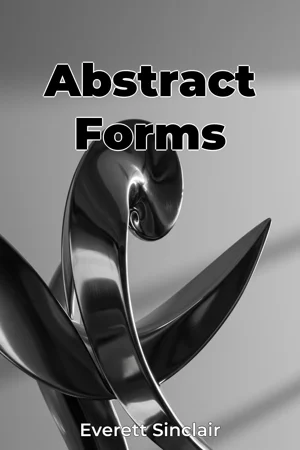
"Abstract Forms" explores the revolutionary shift in art history when sculptors moved away from traditional forms, embracing abstract art to redefine space, shape, and perception. It investigates how avant-garde movements paved the way for minimalist and experimental designs. The book highlights the deconstruction of form, moving from imitation to invention, and the innovative use of industrial materials like steel and plastic, where the materials themselves became part of the artistic message. This comprehensive analysis delves into how abstract sculptures engage with and transform their environment, creating a dynamic experience for viewers. The book progresses through key concepts of abstraction and non-representation, structured around form, material innovation, and spatial engagement. Case studies feature artists like Constantin Brancusi and Barbara Hepworth, illustrating these concepts. By focusing on the interplay between form, material, and space, "Abstract Forms" offers a unique and holistic understanding of this influential art form.
Book Details
ISBN
9788235219633
Publisher
Publifye AS
Your Licenses
You don't own any licenses for this book
Purchase a license below to unlock this book and download the EPUB.
Purchase License
Select a tier to unlock this book
Need bulk licensing?
Contact us for enterprise agreements.