
About This Book
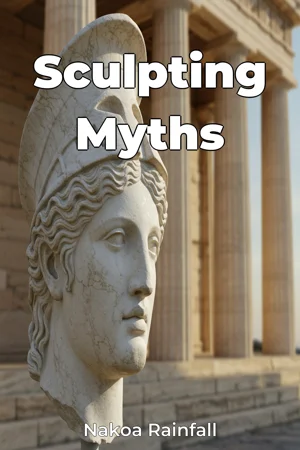
Have you ever gazed upon a sculpture of a Greek god or a Norse hero and wondered about the stories that breathed life into the cold stone or bronze? "Sculpting Myths" delves into the profound and enduring influence of mythology on the creation of some of the world's most iconic sculptures. This book explores how ancient narratives, beliefs, and cultural values shaped the artistic vision of sculptors across diverse civilizations, from ancient Greece and Rome to Egypt, and even extending to glimpses of Mesoamerican and Asian traditions. Two key topics form the backbone of this exploration: first, the detailed examination of specific mythological narratives that inspired sculptors, and second, the analysis of how these narratives were translated into visual form, considering the artistic conventions, materials, and techniques of each era. Understanding these topics is crucial because it unveils the intricate relationship between art and culture, revealing how societies used sculpture to express their deepest beliefs, reinforce social structures, and immortalize their heroes and gods. The book provides essential historical and cultural context for each civilization discussed. Familiarity with basic mythological stories—such as the tales of Zeus, Athena, Odin, or Ra—will enhance the reader's appreciation, but no prior expertise in art history is required. "Sculpting Myths" argues that sculpture serves as a powerful medium for understanding the worldview of past civilizations. By analyzing the choices made by sculptors in depicting mythological figures, we can gain insights into the values, anxieties, and aspirations of the societies that created them. Our central thesis posits that sculptures are not mere artistic representations, but complex cultural artifacts that embody a civilization's understanding of its place in the cosmos. The book is structured to provide a clear and compelling narrative. It begins with an introduction to the fundamental concepts of mythology and its role in ancient societies. The subsequent chapters are organized thematically, focusing on specific types of mythological figures (gods, heroes, monsters) and exploring how different cultures approached their representation. For example, one section examines the depiction of divine power, comparing and contrasting how the Greeks, Romans, and Egyptians visualized their respective pantheons. Another section focuses on heroic narratives, analyzing how sculptors immortalized figures like Hercules, Perseus, or Gilgamesh and what these representations reveal about cultural ideals of strength, courage, and virtue. The concluding chapter synthesizes the book's findings, discussing the lasting legacy of mythological sculpture and its continued relevance in contemporary art and culture. "Sculpting Myths" draws upon a range of evidence, including archaeological findings, historical texts, and art historical analysis. We utilize primary sources, such as ancient literature and inscriptions, to reconstruct the original context in which these sculptures were created and interpreted. The book also incorporates modern scholarship on mythology, art history, and cultural studies to provide a nuanced and informed perspective. This book connects to several other fields, including religious studies, classical literature, and anthropology. By examining the intersection of mythology, art, and culture, "Sculpting Myths" offers a holistic understanding of ancient civilizations. This book stands out due to its emphasis on the comparative analysis of mythological sculpture across diverse cultures and its focus on the cultural and historical context in which these works were created. The tone of the book is informative and accessible. The target audience includes students of art history, mythology enthusiasts, and anyone interested in learning more about the relationship between art and culture. "Sculpting Myths" adheres to the conventions of non-fiction art history by providing clear, well-researched information, supported by visual examples and scholarly citations. The scope of the book is limited to a selection of major civilizations and mythological traditions. While it would be impossible to cover every culture that produced mythological sculpture, we have chosen to focus on those that have had the most significant impact on Western art and culture. We acknowledge that our selection is not exhaustive and that other cultures also have rich traditions of mythological sculpture that deserve further study. The information presented in "Sculpting Myths" can be applied in various ways. Art students can use it to develop a deeper understanding of the historical context of sculpture. Museum visitors can use it to enhance their appreciation of mythological art. Anyone interested in mythology can use it to gain new insights into the stories and beliefs of ancient civilizations. In addressing areas of ongoing debate, the book touches upon questions of cultural appropriation and the interpretation of ancient art in the modern world, inviting readers to critically examine their own assumptions and perspectives.
Have you ever gazed upon a sculpture of a Greek god or a Norse hero and wondered about the stories that breathed life into the cold stone or bronze? "Sculpting Myths" delves into the profound and enduring influence of mythology on the creation of some of the world's most iconic sculptures. This book explores how ancient narratives, beliefs, and cultural values shaped the artistic vision of sculptors across diverse civilizations, from ancient Greece and Rome to Egypt, and even extending to glimpses of Mesoamerican and Asian traditions. Two key topics form the backbone of this exploration: first, the detailed examination of specific mythological narratives that inspired sculptors, and second, the analysis of how these narratives were translated into visual form, considering the artistic conventions, materials, and techniques of each era. Understanding these topics is crucial because it unveils the intricate relationship between art and culture, revealing how societies used sculpture to express their deepest beliefs, reinforce social structures, and immortalize their heroes and gods. The book provides essential historical and cultural context for each civilization discussed. Familiarity with basic mythological stories—such as the tales of Zeus, Athena, Odin, or Ra—will enhance the reader's appreciation, but no prior expertise in art history is required. "Sculpting Myths" argues that sculpture serves as a powerful medium for understanding the worldview of past civilizations. By analyzing the choices made by sculptors in depicting mythological figures, we can gain insights into the values, anxieties, and aspirations of the societies that created them. Our central thesis posits that sculptures are not mere artistic representations, but complex cultural artifacts that embody a civilization's understanding of its place in the cosmos. The book is structured to provide a clear and compelling narrative. It begins with an introduction to the fundamental concepts of mythology and its role in ancient societies. The subsequent chapters are organized thematically, focusing on specific types of mythological figures (gods, heroes, monsters) and exploring how different cultures approached their representation. For example, one section examines the depiction of divine power, comparing and contrasting how the Greeks, Romans, and Egyptians visualized their respective pantheons. Another section focuses on heroic narratives, analyzing how sculptors immortalized figures like Hercules, Perseus, or Gilgamesh and what these representations reveal about cultural ideals of strength, courage, and virtue. The concluding chapter synthesizes the book's findings, discussing the lasting legacy of mythological sculpture and its continued relevance in contemporary art and culture. "Sculpting Myths" draws upon a range of evidence, including archaeological findings, historical texts, and art historical analysis. We utilize primary sources, such as ancient literature and inscriptions, to reconstruct the original context in which these sculptures were created and interpreted. The book also incorporates modern scholarship on mythology, art history, and cultural studies to provide a nuanced and informed perspective. This book connects to several other fields, including religious studies, classical literature, and anthropology. By examining the intersection of mythology, art, and culture, "Sculpting Myths" offers a holistic understanding of ancient civilizations. This book stands out due to its emphasis on the comparative analysis of mythological sculpture across diverse cultures and its focus on the cultural and historical context in which these works were created. The tone of the book is informative and accessible. The target audience includes students of art history, mythology enthusiasts, and anyone interested in learning more about the relationship between art and culture. "Sculpting Myths" adheres to the conventions of non-fiction art history by providing clear, well-researched information, supported by visual examples and scholarly citations. The scope of the book is limited to a selection of major civilizations and mythological traditions. While it would be impossible to cover every culture that produced mythological sculpture, we have chosen to focus on those that have had the most significant impact on Western art and culture. We acknowledge that our selection is not exhaustive and that other cultures also have rich traditions of mythological sculpture that deserve further study. The information presented in "Sculpting Myths" can be applied in various ways. Art students can use it to develop a deeper understanding of the historical context of sculpture. Museum visitors can use it to enhance their appreciation of mythological art. Anyone interested in mythology can use it to gain new insights into the stories and beliefs of ancient civilizations. In addressing areas of ongoing debate, the book touches upon questions of cultural appropriation and the interpretation of ancient art in the modern world, inviting readers to critically examine their own assumptions and perspectives.
"Sculpting Myths" explores the profound influence of mythology on sculpture, delving into how ancient narratives shaped iconic works of art across civilizations like Greece, Rome, and Egypt. By examining specific mythological stories, the book reveals how these narratives were translated into visual form, reflecting the artistic conventions, materials, and techniques of each era. Sculpture served as a powerful medium for societies to express their beliefs and immortalize heroes. For example, depictions of Greek gods like Zeus or Norse figures like Odin offer insights into ancient worldviews. The book emphasizes the intricate relationship between art and culture, highlighting how sculptures are not merely artistic representations but complex cultural artifacts. Structured thematically, it progresses through different types of mythological figures—gods, heroes, monsters—exploring how various cultures represented them. This approach allows for a comparative analysis of mythological sculptures across diverse cultures, revealing the cultural and historical contexts in which these works were created.
Book Details
ISBN
9788235219602
Publisher
Publifye AS
Your Licenses
You don't own any licenses for this book
Purchase a license below to unlock this book and download the EPUB.
Purchase License
Select a tier to unlock this book
Need bulk licensing?
Contact us for enterprise agreements.