
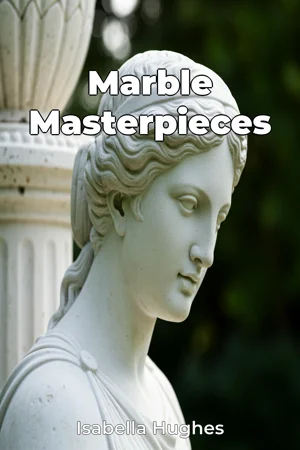
About This Book
How did sculptors transform rough blocks of marble into timeless masterpieces that continue to captivate audiences centuries later? "Marble Masterpieces" delves into the intricate world of marble carving, exploring the techniques, artistry, and cultural significance behind some of the world's most admired and enduring works of art. The book examines the profound impact of marble sculpture on art history, architectural design, and the broader cultural landscape. This book focuses on two central topics: the technical mastery required for marble carving and the evolution of artistic styles across different periods and cultures. Understanding these elements is crucial for appreciating not only the aesthetic value of marble sculptures but also the ingenuity and dedication of the artists who created them. Historically, marble has been prized for its beauty, durability, and workability, making it a preferred medium for sculptors from ancient Greece to the Renaissance and beyond. The social context in which these works were created—patronage systems, religious beliefs, and philosophical ideals—significantly influenced the subject matter and stylistic choices of the artists. Readers should have a basic understanding of art history and architectural styles to fully appreciate the nuances discussed. The central argument of "Marble Masterpieces" is that the enduring appeal of marble sculpture lies not only in the inherent qualities of the material but also in the sculptor's ability to harness its potential, reflecting both technical skill and the cultural values of their time. This understanding enhances our comprehension of art history and our appreciation for the human capacity for creative expression. The book begins by introducing the geological origins of marble, its various types, and its historical significance as a sculptural material. Following this introduction, the book is structured into three major sections. First, it explores the tools and techniques used in marble carving, from the rudimentary implements of ancient civilizations to the sophisticated machinery of modern workshops. It covers the processes of quarrying, transporting, and preparing the marble, as well as the various carving methods employed by sculptors. Next, the book examines specific historical periods and their distinctive artistic styles, focusing on the achievements of renowned sculptors and their iconic works. Case studies include classical Greek sculpture, Roman portraiture, Renaissance masterpieces, and Neoclassical interpretations. Finally, the culmination shows the impact that marble sculpture has had throughout history and its influence on modern art. Evidence presented in the book includes detailed analyses of specific sculptures, historical accounts of artistic practices, and archaeological findings related to marble quarrying and carving. Unique data sources include archival documents, technical reports on the conservation of marble sculptures, and interviews with contemporary sculptors. The book connects art history with geology, engineering, and social history. The geological composition of marble influences its aesthetic properties and workability. Engineering principles are relevant to understanding the structural challenges of creating large-scale marble sculptures. The social history informs the cultural context in which these works were commissioned and interpreted. This book offers a fresh perspective by integrating technical analyses of carving techniques with art historical interpretations of stylistic developments. It highlights the interplay between material science and artistic creativity. The writing style is informative and accessible, aiming to engage both academic and general audiences. The tone is scholarly but avoids jargon, making the content clear and engaging for readers with varying levels of expertise. The target audience includes art enthusiasts, students of art history and architecture, practicing sculptors, and anyone interested in learning more about the techniques and artistry behind marble masterpieces. This book would be valuable to them because it provides a comprehensive overview of a fascinating subject, combining technical information with historical and cultural insights. As an art and architecture book, "Marble Masterpieces" relies on visual analysis and historical documentation to support its arguments. It adheres to the conventions of scholarly research, including citations, bibliographies, and detailed descriptions of the works discussed. The scope of the book covers marble sculpture from ancient times to the present day, with a focus on Western traditions. It does not delve into the use of marble in architecture or other decorative arts. The information in the book can be applied practically by readers interested in creating their own marble sculptures, conserving existing works, or simply deepening their appreciation for this enduring art form. The book addresses ongoing debates about the authenticity and interpretation of classical sculptures, as well as the ethical considerations involved in the preservation and restoration of cultural heritage.
How did sculptors transform rough blocks of marble into timeless masterpieces that continue to captivate audiences centuries later? "Marble Masterpieces" delves into the intricate world of marble carving, exploring the techniques, artistry, and cultural significance behind some of the world's most admired and enduring works of art. The book examines the profound impact of marble sculpture on art history, architectural design, and the broader cultural landscape. This book focuses on two central topics: the technical mastery required for marble carving and the evolution of artistic styles across different periods and cultures. Understanding these elements is crucial for appreciating not only the aesthetic value of marble sculptures but also the ingenuity and dedication of the artists who created them. Historically, marble has been prized for its beauty, durability, and workability, making it a preferred medium for sculptors from ancient Greece to the Renaissance and beyond. The social context in which these works were created—patronage systems, religious beliefs, and philosophical ideals—significantly influenced the subject matter and stylistic choices of the artists. Readers should have a basic understanding of art history and architectural styles to fully appreciate the nuances discussed. The central argument of "Marble Masterpieces" is that the enduring appeal of marble sculpture lies not only in the inherent qualities of the material but also in the sculptor's ability to harness its potential, reflecting both technical skill and the cultural values of their time. This understanding enhances our comprehension of art history and our appreciation for the human capacity for creative expression. The book begins by introducing the geological origins of marble, its various types, and its historical significance as a sculptural material. Following this introduction, the book is structured into three major sections. First, it explores the tools and techniques used in marble carving, from the rudimentary implements of ancient civilizations to the sophisticated machinery of modern workshops. It covers the processes of quarrying, transporting, and preparing the marble, as well as the various carving methods employed by sculptors. Next, the book examines specific historical periods and their distinctive artistic styles, focusing on the achievements of renowned sculptors and their iconic works. Case studies include classical Greek sculpture, Roman portraiture, Renaissance masterpieces, and Neoclassical interpretations. Finally, the culmination shows the impact that marble sculpture has had throughout history and its influence on modern art. Evidence presented in the book includes detailed analyses of specific sculptures, historical accounts of artistic practices, and archaeological findings related to marble quarrying and carving. Unique data sources include archival documents, technical reports on the conservation of marble sculptures, and interviews with contemporary sculptors. The book connects art history with geology, engineering, and social history. The geological composition of marble influences its aesthetic properties and workability. Engineering principles are relevant to understanding the structural challenges of creating large-scale marble sculptures. The social history informs the cultural context in which these works were commissioned and interpreted. This book offers a fresh perspective by integrating technical analyses of carving techniques with art historical interpretations of stylistic developments. It highlights the interplay between material science and artistic creativity. The writing style is informative and accessible, aiming to engage both academic and general audiences. The tone is scholarly but avoids jargon, making the content clear and engaging for readers with varying levels of expertise. The target audience includes art enthusiasts, students of art history and architecture, practicing sculptors, and anyone interested in learning more about the techniques and artistry behind marble masterpieces. This book would be valuable to them because it provides a comprehensive overview of a fascinating subject, combining technical information with historical and cultural insights. As an art and architecture book, "Marble Masterpieces" relies on visual analysis and historical documentation to support its arguments. It adheres to the conventions of scholarly research, including citations, bibliographies, and detailed descriptions of the works discussed. The scope of the book covers marble sculpture from ancient times to the present day, with a focus on Western traditions. It does not delve into the use of marble in architecture or other decorative arts. The information in the book can be applied practically by readers interested in creating their own marble sculptures, conserving existing works, or simply deepening their appreciation for this enduring art form. The book addresses ongoing debates about the authenticity and interpretation of classical sculptures, as well as the ethical considerations involved in the preservation and restoration of cultural heritage.
"Marble Masterpieces" explores the captivating world of marble sculpture, revealing how artists transformed raw stone into enduring works of art. The book delves into sculpting techniques and art history, showcasing the profound impact of marble on architectural design and culture. Discover how marble, prized for its beauty and durability, became a favored medium from ancient Greece to the Renaissance. The book uniquely combines technical analyses of carving methods with art historical interpretations, highlighting the interplay between material science and artistic creativity. For example, understanding the geological composition of marble clarifies its aesthetic properties and workability. The narrative progresses through historical periods and artistic styles, beginning with the geological origins of marble, then moves to the tools and techniques used in marble carving, and ends by examining specific historical periods and their distinctive artistic styles. This comprehensive overview makes "Marble Masterpieces" valuable to art enthusiasts, students, and practicing sculptors alike. By integrating technical details with historical and cultural insights, the book enhances our appreciation for the ingenuity and dedication behind these sculptural masterpieces.
Book Details
ISBN
9788235219589
Publisher
Publifye AS
Your Licenses
You don't own any licenses for this book
Purchase a license below to unlock this book and download the EPUB.
Purchase License
Select a tier to unlock this book
Need bulk licensing?
Contact us for enterprise agreements.