
About This Book
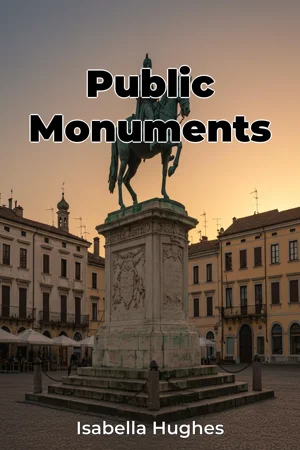
Why do societies erect statues? "Public Monuments" explores how three-dimensional artworks in public spaces function as powerful tools for shaping collective memory, expressing cultural values, and fostering civic identity. This book delves into the multifaceted roles of public sculpture, examining their impact on historical narratives, commemorative practices, and the cultivation of civic pride through artistic expression. Understanding the purpose and impact of public monuments is crucial in a world grappling with questions of historical representation, social justice, and the very narratives that define us. This book will investigate three key thematic areas. First, it analyzes how public sculptures serve as vehicles for honoring historical figures, examining the selection processes, artistic representations, and evolving interpretations that define a figure's legacy. Second, it explores the ways in which monuments commemorate significant events, focusing on how artists and communities translate complex histories into tangible forms. Finally, it examines the role of public art in inspiring civic pride, investigating how sculptures contribute to a sense of shared identity, belonging, and collective purpose within urban environments. The historical context surrounding the creation and reception of public monuments is critical. The book considers the social, political, and cultural climates that influence monument design, placement, and subsequent public discourse. It examines how monuments reflect prevailing ideologies, power structures, and societal values at specific moments in time. This includes, but is not limited to, an understanding of artistic movements, patronage systems, and the evolving role of public art in urban planning. The central argument of "Public Monuments" is that public sculptures are not merely static objects but dynamic agents that actively shape public understanding of history, memory, and civic identity. By analyzing case studies from diverse geographical locations and historical periods, the book demonstrates the complex interplay between artistic representation, historical interpretation, and social meaning. Further, it posits that monuments are subject to constant reinterpretation and debate, reflecting ongoing shifts in cultural values and historical perspectives. The book’s structure unfolds as follows: initially, it introduces the core concepts of public art, commemoration, and historical representation. It then develops these concepts through three major sections. The first section examines monuments dedicated to individuals, analyzing the choices made in portraying these figures and the impact of those choices on public perception. The second section explores monuments that commemorate events, focusing on how traumatic or celebratory moments are translated into visual narratives. The third section investigates the role of public sculpture in fostering civic pride and contributing to a sense of community. The book culminates by synthesizing these analyses and considering the practical implications of understanding public monuments in contemporary society, touching upon issues of monument removal, recontextualization, and the creation of new memorials. The book draws upon a range of evidence, including visual analysis of the sculptures themselves, archival research into their creation and reception, and contemporary public discourse surrounding these works. It incorporates primary sources such as artist statements, public records, and newspaper articles, as well as secondary scholarship in art history, history, and cultural studies. A unique aspect of the research involves analyzing online public forums and social media discussions to gauge contemporary public opinion and engagement with specific monuments. "Public Monuments" connects to several interdisciplinary fields. It draws upon history to provide context for the events and figures commemorated. It connects to sociology by exploring the role of monuments in shaping collective identity and social memory. And, it connects to urban planning by examining the impact of public art on the built environment and its influence on public space. These connections provide a broader understanding of the multifaceted role of public monuments in society. This book offers a fresh perspective by emphasizing the active role of the viewer in shaping the meaning of public monuments. It moves beyond traditional art historical analysis to consider the dynamic relationship between the artwork, its historical context, and its ongoing interpretation by diverse audiences. This approach highlights the contested nature of public memory and the ongoing debates surrounding historical representation. The tone of the book is academic yet accessible, aiming to engage both scholars and general readers with an interest in art, history, and public culture. The writing style is clear, concise, and analytical, avoiding jargon and technical language where possible. The target audience includes students and scholars in art history, history, public art, and cultural studies, as well as general readers interested in understanding the role of monuments in shaping public life. The book would be valuable to museum professionals, urban planners, and anyone involved in the creation, interpretation, or preservation of public art. As a work of non-fiction within the genres of history and art, "Public Monuments' adheres to the conventions of scholarly research, including thorough documentation, rigorous analysis, and objective presentation of evidence. It seeks to provide a comprehensive and balanced account of the subject, acknowledging diverse perspectives and interpretations. The scope of this book is broad, encompassing a wide range of monuments from different historical periods and geographical locations. However, it is limited to three-dimensional sculptural works in public spaces, excluding other forms of commemoration such as plaques, murals, or virtual memorials. The insights presented in "Public Monuments" have practical applications for contemporary debates surrounding public art and historical representation. They can inform discussions about monument removal, recontextualization, and the creation of new memorials that better reflect diverse perspectives and values. Understanding the power of monuments to shape public opinion and foster civic pride is essential for creating inclusive and meaningful public spaces. The book addresses ongoing controversies surrounding the interpretation and representation of history in public spaces. It acknowledges the debates surrounding monuments to controversial figures or events, and it explores the ethical considerations involved in preserving or removing these works. By presenting multiple perspectives and analyzing the complex historical context, the book aims to foster a more informed and nuanced understanding of these issues.
Why do societies erect statues? "Public Monuments" explores how three-dimensional artworks in public spaces function as powerful tools for shaping collective memory, expressing cultural values, and fostering civic identity. This book delves into the multifaceted roles of public sculpture, examining their impact on historical narratives, commemorative practices, and the cultivation of civic pride through artistic expression. Understanding the purpose and impact of public monuments is crucial in a world grappling with questions of historical representation, social justice, and the very narratives that define us. This book will investigate three key thematic areas. First, it analyzes how public sculptures serve as vehicles for honoring historical figures, examining the selection processes, artistic representations, and evolving interpretations that define a figure's legacy. Second, it explores the ways in which monuments commemorate significant events, focusing on how artists and communities translate complex histories into tangible forms. Finally, it examines the role of public art in inspiring civic pride, investigating how sculptures contribute to a sense of shared identity, belonging, and collective purpose within urban environments. The historical context surrounding the creation and reception of public monuments is critical. The book considers the social, political, and cultural climates that influence monument design, placement, and subsequent public discourse. It examines how monuments reflect prevailing ideologies, power structures, and societal values at specific moments in time. This includes, but is not limited to, an understanding of artistic movements, patronage systems, and the evolving role of public art in urban planning. The central argument of "Public Monuments" is that public sculptures are not merely static objects but dynamic agents that actively shape public understanding of history, memory, and civic identity. By analyzing case studies from diverse geographical locations and historical periods, the book demonstrates the complex interplay between artistic representation, historical interpretation, and social meaning. Further, it posits that monuments are subject to constant reinterpretation and debate, reflecting ongoing shifts in cultural values and historical perspectives. The book’s structure unfolds as follows: initially, it introduces the core concepts of public art, commemoration, and historical representation. It then develops these concepts through three major sections. The first section examines monuments dedicated to individuals, analyzing the choices made in portraying these figures and the impact of those choices on public perception. The second section explores monuments that commemorate events, focusing on how traumatic or celebratory moments are translated into visual narratives. The third section investigates the role of public sculpture in fostering civic pride and contributing to a sense of community. The book culminates by synthesizing these analyses and considering the practical implications of understanding public monuments in contemporary society, touching upon issues of monument removal, recontextualization, and the creation of new memorials. The book draws upon a range of evidence, including visual analysis of the sculptures themselves, archival research into their creation and reception, and contemporary public discourse surrounding these works. It incorporates primary sources such as artist statements, public records, and newspaper articles, as well as secondary scholarship in art history, history, and cultural studies. A unique aspect of the research involves analyzing online public forums and social media discussions to gauge contemporary public opinion and engagement with specific monuments. "Public Monuments" connects to several interdisciplinary fields. It draws upon history to provide context for the events and figures commemorated. It connects to sociology by exploring the role of monuments in shaping collective identity and social memory. And, it connects to urban planning by examining the impact of public art on the built environment and its influence on public space. These connections provide a broader understanding of the multifaceted role of public monuments in society. This book offers a fresh perspective by emphasizing the active role of the viewer in shaping the meaning of public monuments. It moves beyond traditional art historical analysis to consider the dynamic relationship between the artwork, its historical context, and its ongoing interpretation by diverse audiences. This approach highlights the contested nature of public memory and the ongoing debates surrounding historical representation. The tone of the book is academic yet accessible, aiming to engage both scholars and general readers with an interest in art, history, and public culture. The writing style is clear, concise, and analytical, avoiding jargon and technical language where possible. The target audience includes students and scholars in art history, history, public art, and cultural studies, as well as general readers interested in understanding the role of monuments in shaping public life. The book would be valuable to museum professionals, urban planners, and anyone involved in the creation, interpretation, or preservation of public art. As a work of non-fiction within the genres of history and art, "Public Monuments' adheres to the conventions of scholarly research, including thorough documentation, rigorous analysis, and objective presentation of evidence. It seeks to provide a comprehensive and balanced account of the subject, acknowledging diverse perspectives and interpretations. The scope of this book is broad, encompassing a wide range of monuments from different historical periods and geographical locations. However, it is limited to three-dimensional sculptural works in public spaces, excluding other forms of commemoration such as plaques, murals, or virtual memorials. The insights presented in "Public Monuments" have practical applications for contemporary debates surrounding public art and historical representation. They can inform discussions about monument removal, recontextualization, and the creation of new memorials that better reflect diverse perspectives and values. Understanding the power of monuments to shape public opinion and foster civic pride is essential for creating inclusive and meaningful public spaces. The book addresses ongoing controversies surrounding the interpretation and representation of history in public spaces. It acknowledges the debates surrounding monuments to controversial figures or events, and it explores the ethical considerations involved in preserving or removing these works. By presenting multiple perspectives and analyzing the complex historical context, the book aims to foster a more informed and nuanced understanding of these issues.
"Public Monuments" explores the significant role of public art, particularly sculptures, in shaping our understanding of history, cultural values, and civic identity. These monuments, often seen as static objects, are in fact dynamic agents that actively influence collective memory and spark important conversations about historical representation. The book delves into how societies use these three-dimensional artworks to honor historical figures, commemorate significant events, and foster a sense of community. The book examines the historical context surrounding the creation and reception of public monuments, revealing how prevailing ideologies and power structures influence their design and placement. For example, the selection of specific artistic representations of historical figures can greatly impact public perception of their legacy. The book progresses through three key sections, first analyzing monuments dedicated to individuals, then those commemorating events, and finally, the role of public sculpture in fostering civic pride. By analyzing diverse case studies, the book highlights the complex interplay between artistic representation, historical interpretation, and social meaning. It demonstrates that public monuments are subject to constant reinterpretation, reflecting shifts in cultural values and historical perspectives. This approach emphasizes the active role of the viewer in shaping the meaning of public monuments and makes a valuable contribution to the fields of history, art, and cultural studies.
Book Details
ISBN
9788235219565
Publisher
Publifye AS
Your Licenses
You don't own any licenses for this book
Purchase a license below to unlock this book and download the EPUB.
Purchase License
Select a tier to unlock this book
Need bulk licensing?
Contact us for enterprise agreements.