
About This Book
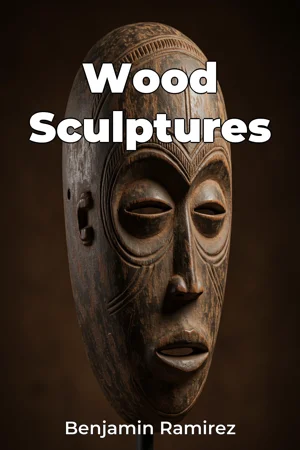
How have sculptors throughout history and across cultures imbued a seemingly simple material – wood – with profound meaning and artistic expression? "Wood Sculptures" explores the transformative journey of this organic medium, revealing how artists have harnessed its inherent properties to create enduring works of art that reflect diverse cultural values, spiritual beliefs, and aesthetic ideals. This book delves into three core themes: the cultural significance of wood in sculpture, the technical mastery required to shape it, and the evolution of wood sculpture across different artistic movements and geographical regions. These themes are crucial because wood, unlike marble or bronze, is a readily available and renewable resource, making it a primary artistic material for many indigenous populations. Understanding the techniques involved, from carving to joinery, demonstrates not only artistic skill but also the intimate relationship between the sculptor and the material. Tracing the evolution of wood sculpture provides insights into changing artistic tastes and the ongoing dialogue between tradition and innovation. "Wood Sculptures" provides a comprehensive overview of the history of wood sculpture, beginning with its earliest manifestations in ritual objects and totemic figures, and progressing through its various interpretations in different cultural contexts. The central argument is that wood sculpture, often overlooked in favor of more "permanent" media, represents a vital and dynamic art form that provides unique insights into human creativity, cultural identity, and our relationship with the natural world. This argument is significant because it challenges conventional art historical hierarchies and highlights the importance of considering non-Western and vernacular artistic traditions. The book is structured to guide the reader through a chronological and thematic exploration of wood sculpture. It begins with an introduction to the properties of different types of wood and the tools and techniques used in carving, joining, and finishing. The following sections examine wood sculpture in specific cultural contexts, such as African tribal art, Polynesian wood carvings, and the role of wood sculpture in religious iconography across different faiths. Subsequent chapters explore the development of wood sculpture in Western art, from the medieval period to contemporary installations, highlighting the work of key artists and movements. The book culminates in a discussion of the challenges and opportunities facing wood sculptors today, including the use of sustainable practices and the integration of new technologies. The evidence presented in "Wood Sculptures" draws from a variety of sources, including museum collections, archaeological findings, historical texts, and contemporary artist interviews. It incorporates both visual analysis of artworks and contextual research to provide the reader with a comprehensive understanding of the subject. The book also benefits from an interdisciplinary approach, connecting art history with anthropology to explore the cultural significance of wood sculpture, and with material science to understand the properties of different woods and their impact on artistic expression. It also ties into sustainable design by spotlighting sculptors who use reclaimed or sustainably harvested wood. A unique aspect of "Wood Sculptures" is its emphasis on providing a holistic view of the art form, considering not only the aesthetic qualities of the sculptures but also the cultural, social, and environmental contexts in which they were created. The tone is informative and accessible, avoiding overly technical jargon and making the subject matter engaging for a broad audience. The target audience includes art students, art enthusiasts, collectors, and anyone interested in learning more about the history and techniques of sculpture. “Wood Sculptures” would be valuable to them by offering a detailed and richly illustrated survey of a fascinating and often underappreciated art form. As a design and art book, it will satisfy the reader's need for a comprehensive and visually appealing resource. The scope of the book is broad, covering a wide range of cultures and historical periods, but it is limited to sculptures primarily made of wood. While the book may touch on mixed-media works, the focus remains on pieces where wood is the dominant material. The information within "Wood Sculptures" can find practical application. Woodworkers and sculptors can draw inspiration from the techniques and styles presented, while designers and architects can gain a deeper appreciation for the aesthetic potential of wood in contemporary design. While controversy regarding deforestation and ethical sourcing exists, this book champions sustainable wood use in the arts.
How have sculptors throughout history and across cultures imbued a seemingly simple material – wood – with profound meaning and artistic expression? "Wood Sculptures" explores the transformative journey of this organic medium, revealing how artists have harnessed its inherent properties to create enduring works of art that reflect diverse cultural values, spiritual beliefs, and aesthetic ideals. This book delves into three core themes: the cultural significance of wood in sculpture, the technical mastery required to shape it, and the evolution of wood sculpture across different artistic movements and geographical regions. These themes are crucial because wood, unlike marble or bronze, is a readily available and renewable resource, making it a primary artistic material for many indigenous populations. Understanding the techniques involved, from carving to joinery, demonstrates not only artistic skill but also the intimate relationship between the sculptor and the material. Tracing the evolution of wood sculpture provides insights into changing artistic tastes and the ongoing dialogue between tradition and innovation. "Wood Sculptures" provides a comprehensive overview of the history of wood sculpture, beginning with its earliest manifestations in ritual objects and totemic figures, and progressing through its various interpretations in different cultural contexts. The central argument is that wood sculpture, often overlooked in favor of more "permanent" media, represents a vital and dynamic art form that provides unique insights into human creativity, cultural identity, and our relationship with the natural world. This argument is significant because it challenges conventional art historical hierarchies and highlights the importance of considering non-Western and vernacular artistic traditions. The book is structured to guide the reader through a chronological and thematic exploration of wood sculpture. It begins with an introduction to the properties of different types of wood and the tools and techniques used in carving, joining, and finishing. The following sections examine wood sculpture in specific cultural contexts, such as African tribal art, Polynesian wood carvings, and the role of wood sculpture in religious iconography across different faiths. Subsequent chapters explore the development of wood sculpture in Western art, from the medieval period to contemporary installations, highlighting the work of key artists and movements. The book culminates in a discussion of the challenges and opportunities facing wood sculptors today, including the use of sustainable practices and the integration of new technologies. The evidence presented in "Wood Sculptures" draws from a variety of sources, including museum collections, archaeological findings, historical texts, and contemporary artist interviews. It incorporates both visual analysis of artworks and contextual research to provide the reader with a comprehensive understanding of the subject. The book also benefits from an interdisciplinary approach, connecting art history with anthropology to explore the cultural significance of wood sculpture, and with material science to understand the properties of different woods and their impact on artistic expression. It also ties into sustainable design by spotlighting sculptors who use reclaimed or sustainably harvested wood. A unique aspect of "Wood Sculptures" is its emphasis on providing a holistic view of the art form, considering not only the aesthetic qualities of the sculptures but also the cultural, social, and environmental contexts in which they were created. The tone is informative and accessible, avoiding overly technical jargon and making the subject matter engaging for a broad audience. The target audience includes art students, art enthusiasts, collectors, and anyone interested in learning more about the history and techniques of sculpture. “Wood Sculptures” would be valuable to them by offering a detailed and richly illustrated survey of a fascinating and often underappreciated art form. As a design and art book, it will satisfy the reader's need for a comprehensive and visually appealing resource. The scope of the book is broad, covering a wide range of cultures and historical periods, but it is limited to sculptures primarily made of wood. While the book may touch on mixed-media works, the focus remains on pieces where wood is the dominant material. The information within "Wood Sculptures" can find practical application. Woodworkers and sculptors can draw inspiration from the techniques and styles presented, while designers and architects can gain a deeper appreciation for the aesthetic potential of wood in contemporary design. While controversy regarding deforestation and ethical sourcing exists, this book champions sustainable wood use in the arts.
"Wood Sculptures" explores the compelling history and cultural significance of wood as a sculpting material across diverse cultures and artistic movements. The book reveals how sculptors have transformed this readily available, renewable resource into powerful artistic expressions, reflecting spiritual beliefs and aesthetic ideals. For example, wood's unique properties allow for techniques like carving and joinery, showcasing the intimate connection between the sculptor and the material. Highlighting often overlooked non-Western traditions, the book challenges conventional art hierarchies, emphasizing wood's vital role in human creativity and cultural identity. The book progresses chronologically and thematically, starting with the properties of different wood types and sculpting techniques. It then examines wood sculpture in cultural contexts, such as African tribal art and Polynesian carvings, before exploring its evolution in Western art from the medieval period to contemporary installations. A unique aspect of "Wood Sculptures" is its holistic approach, considering not only the aesthetic qualities but also the cultural, social, and environmental contexts. The book also touches upon the challenges and opportunities facing wood sculptors today, including sustainable practices and new technologies.
Book Details
ISBN
9788235219541
Publisher
Publifye AS
Your Licenses
You don't own any licenses for this book
Purchase a license below to unlock this book and download the EPUB.
Purchase License
Select a tier to unlock this book
Need bulk licensing?
Contact us for enterprise agreements.