
About This Book
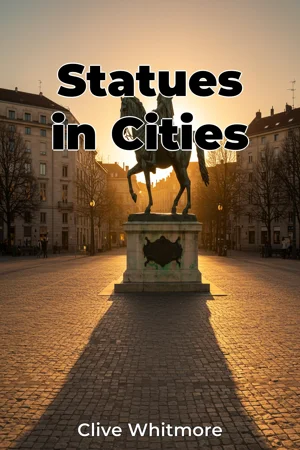
Can urban sculptures truly reflect and shape a city’s soul? "Statues in Cities" delves into the multifaceted relationship between urban sculpture and the identity and heritage of major cities across the globe. This book examines how these often-overlooked public artworks contribute to a city's sense of place, historical narrative, and collective memory. We will explore the intricate ways statues function not merely as decorative elements, but as active participants in shaping cultural landscapes and influencing public perception. This exploration pivots around three key themes: the role of statues in constructing historical narratives, their impact on civic identity, and the ongoing debates surrounding their presence and interpretation in contemporary society. Understanding these themes is vital as cities grapple with questions of representation, historical accuracy, and the legacies of colonialism, power, and social justice enshrined in stone and metal. To fully appreciate the significance of urban sculptures, we will begin by establishing a foundational understanding of art history, urban planning principles, and the socio-political contexts in which these sculptures are commissioned and displayed. This includes analyzing the patronage systems, artistic movements, and ideological currents that shape the creation and reception of public art. The central argument of "Statues in Cities" is that urban sculptures act as tangible embodiments of a city's values, power structures, and historical consciousness. These statues serve as focal points for public discourse, prompting ongoing conversations about who and what a city chooses to commemorate and how these choices reflect its evolving identity. The book emphasizes that understanding these sculptures is crucial for comprehending the complex layers of urban history and the ways in which cities negotiate their past in the present. The book unfolds in a structured progression. First, it introduces the core concepts of public art, urban space, and collective memory. The subsequent sections then develop these ideas through focused analyses of specific case studies, examining the historical, social, and artistic contexts of prominent statues in various cities. Major points will include: the creation and evolution of statuary; the political use of statues as propaganda and symbolic power; and the contemporary debates surrounding statues and calls for removal or recontextualization. The book culminates by synthesizing these analyses to offer a comprehensive framework for understanding the role of statues in shaping urban identity. Finally, it explores practical implications, such as how city planners, policymakers, and community members can engage in constructive dialogue about the future of public art and its role in fostering a more inclusive and representative urban environment. The arguments presented are supported by a diverse range of evidence, including archival research, critical analyses of art historical texts, urban planning documents, and contemporary media coverage of statue controversies. The book draws upon unique data sources such as original commission records, artist statements, and public opinion surveys to provide a nuanced and empirically grounded analysis. "Statues in Cities" also establishes connections with other fields such as sociology, political science, and cultural studies. Its exploration of collective memory relates directly to sociological theories of social construction and identity formation. Its analysis of power dynamics connects to political science perspectives on the use of public space for political messaging. Its engagement with cultural representation aligns with cultural studies approaches to understanding how symbols and narratives shape our understanding of the world. This book takes a fresh perspective by not merely focusing on the aesthetic qualities of statues, but by treating them as active agents in shaping urban life. It analyzes how statues function as sites of negotiation, contestation, and collective meaning-making. The tone of the book is academic yet accessible, aiming to engage both scholars and general readers interested in urban history, art, and culture. It assumes no prior knowledge of art history or urban planning, making it suitable for a broad audience. The target audience includes students and scholars in architecture, history, urban studies, and art history, as well as city planners, policymakers, and anyone interested in the cultural landscape of cities. It offers valuable insights into the ways in which cities construct and negotiate their identities through public art. As a work of non-fiction architecture, history, and general architecture, this book combines rigorous research with engaging storytelling to illuminate a complex and often overlooked aspect of urban life. The book’s scope is broad, covering a range of cities and historical periods, while maintaining a focus on the core themes of identity and heritage. Limitations include focusing primarily on Western cities and acknowledging the vastness of statuary works throughout the world. The book's insights can be applied to real-world situations, such as urban redevelopment projects, public art initiatives, and community discussions about historical commemoration. It provides a framework for understanding the complexities of public art and promoting more inclusive and representative urban landscapes. The book addresses ongoing debates about the role of statues in contemporary society, including controversies surrounding Confederate monuments, colonial figures, and representations of marginalized groups. It offers a balanced and nuanced perspective on these issues, encouraging readers to think critically about the historical and social contexts in which statues are created and interpreted.
Can urban sculptures truly reflect and shape a city’s soul? "Statues in Cities" delves into the multifaceted relationship between urban sculpture and the identity and heritage of major cities across the globe. This book examines how these often-overlooked public artworks contribute to a city's sense of place, historical narrative, and collective memory. We will explore the intricate ways statues function not merely as decorative elements, but as active participants in shaping cultural landscapes and influencing public perception. This exploration pivots around three key themes: the role of statues in constructing historical narratives, their impact on civic identity, and the ongoing debates surrounding their presence and interpretation in contemporary society. Understanding these themes is vital as cities grapple with questions of representation, historical accuracy, and the legacies of colonialism, power, and social justice enshrined in stone and metal. To fully appreciate the significance of urban sculptures, we will begin by establishing a foundational understanding of art history, urban planning principles, and the socio-political contexts in which these sculptures are commissioned and displayed. This includes analyzing the patronage systems, artistic movements, and ideological currents that shape the creation and reception of public art. The central argument of "Statues in Cities" is that urban sculptures act as tangible embodiments of a city's values, power structures, and historical consciousness. These statues serve as focal points for public discourse, prompting ongoing conversations about who and what a city chooses to commemorate and how these choices reflect its evolving identity. The book emphasizes that understanding these sculptures is crucial for comprehending the complex layers of urban history and the ways in which cities negotiate their past in the present. The book unfolds in a structured progression. First, it introduces the core concepts of public art, urban space, and collective memory. The subsequent sections then develop these ideas through focused analyses of specific case studies, examining the historical, social, and artistic contexts of prominent statues in various cities. Major points will include: the creation and evolution of statuary; the political use of statues as propaganda and symbolic power; and the contemporary debates surrounding statues and calls for removal or recontextualization. The book culminates by synthesizing these analyses to offer a comprehensive framework for understanding the role of statues in shaping urban identity. Finally, it explores practical implications, such as how city planners, policymakers, and community members can engage in constructive dialogue about the future of public art and its role in fostering a more inclusive and representative urban environment. The arguments presented are supported by a diverse range of evidence, including archival research, critical analyses of art historical texts, urban planning documents, and contemporary media coverage of statue controversies. The book draws upon unique data sources such as original commission records, artist statements, and public opinion surveys to provide a nuanced and empirically grounded analysis. "Statues in Cities" also establishes connections with other fields such as sociology, political science, and cultural studies. Its exploration of collective memory relates directly to sociological theories of social construction and identity formation. Its analysis of power dynamics connects to political science perspectives on the use of public space for political messaging. Its engagement with cultural representation aligns with cultural studies approaches to understanding how symbols and narratives shape our understanding of the world. This book takes a fresh perspective by not merely focusing on the aesthetic qualities of statues, but by treating them as active agents in shaping urban life. It analyzes how statues function as sites of negotiation, contestation, and collective meaning-making. The tone of the book is academic yet accessible, aiming to engage both scholars and general readers interested in urban history, art, and culture. It assumes no prior knowledge of art history or urban planning, making it suitable for a broad audience. The target audience includes students and scholars in architecture, history, urban studies, and art history, as well as city planners, policymakers, and anyone interested in the cultural landscape of cities. It offers valuable insights into the ways in which cities construct and negotiate their identities through public art. As a work of non-fiction architecture, history, and general architecture, this book combines rigorous research with engaging storytelling to illuminate a complex and often overlooked aspect of urban life. The book’s scope is broad, covering a range of cities and historical periods, while maintaining a focus on the core themes of identity and heritage. Limitations include focusing primarily on Western cities and acknowledging the vastness of statuary works throughout the world. The book's insights can be applied to real-world situations, such as urban redevelopment projects, public art initiatives, and community discussions about historical commemoration. It provides a framework for understanding the complexities of public art and promoting more inclusive and representative urban landscapes. The book addresses ongoing debates about the role of statues in contemporary society, including controversies surrounding Confederate monuments, colonial figures, and representations of marginalized groups. It offers a balanced and nuanced perspective on these issues, encouraging readers to think critically about the historical and social contexts in which statues are created and interpreted.
"Statues in Cities" explores the profound connection between urban sculptures and the identity of cities. It examines how these works of public art contribute to a city's historical narrative and collective memory, acting as more than mere decorations. The book argues that statues embody a city's values and power structures, prompting ongoing conversations about commemoration and evolving identity. For instance, the book will discuss how some statues, initially erected to celebrate historical figures, have become focal points of controversy, sparking debates about historical accuracy and representation. The book progresses logically, beginning with foundational concepts of art history and urban planning, before delving into case studies that analyze the historical, social, and artistic contexts of statues in various cities. It investigates the political use of statues and the contemporary debates surrounding their presence. By understanding how these urban sculptures shape cultural landscapes and influence public perception, readers can gain a deeper appreciation for the complex layers of urban history. This fresh perspective treats statues as active agents in shaping urban life, offering valuable insights for city planners, policymakers, and anyone interested in the cultural landscape.
Book Details
ISBN
9788235219459
Publisher
Publifye AS
Your Licenses
You don't own any licenses for this book
Purchase a license below to unlock this book and download the EPUB.
Purchase License
Select a tier to unlock this book
Need bulk licensing?
Contact us for enterprise agreements.