
About This Book
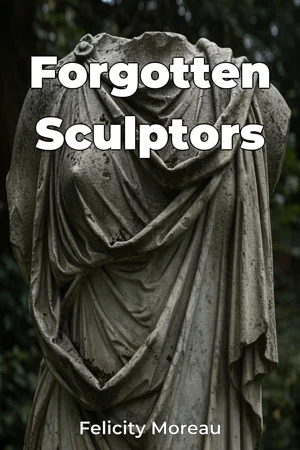
What happens to artistic genius when it fails to capture the public's imagination? *Forgotten Sculptors* delves into the lives and works of sculptors who, despite possessing undeniable talent and creating pieces of significant artistic merit, have been largely overlooked by history. This book explores not merely the aesthetic qualities of their sculpture but also the complex interplay of social forces, artistic movements, and personal circumstances that contributed to their relative obscurity. These sculptors, though not household names, often pushed boundaries, innovated techniques, and offered unique perspectives that enrich our understanding of art history. This book addresses three primary topics: the rediscovery of neglected artistic talent, the social and historical factors that lead to artistic marginalization, and the reevaluation of established artistic canons. These topics are significant because they challenge the traditional, often biased, narratives that dominate art history. They compel us to question how reputations are made and unmade, and to consider the criteria by which we judge artistic success. Understanding these factors allows for a more comprehensive and nuanced appreciation of the diverse range of artistic expression throughout history. The historical context is crucial. The book examines the 19th and 20th centuries, a period of rapid social and political change that profoundly impacted the art world. The rise of new artistic movements, shifting patronage systems, and the increasing influence of critics and institutions all played a role in shaping artistic careers. Knowledge of major art movements such as Neoclassicism, Romanticism, Modernism, and their associated aesthetic principles is beneficial for understanding how these sculptors fit within, or challenged, the prevailing artistic landscape. The central argument of *Forgotten Sculptors* is that artistic recognition is not solely determined by artistic merit; it is a complex product of historical context, social networks, and individual agency. The book contends that by examining the careers of these overlooked sculptors, we can gain a deeper understanding of the mechanics of artistic reputation and challenge the often-arbitrary hierarchies within the art world. The book unfolds in a structured manner. It begins with an introduction to the concept of artistic marginalization and an overview of the factors that contribute to it. The main body of the book will focus on detailed case studies of individual sculptors, exploring their lives, their artistic output, and the circumstances that led to their relative obscurity. Each case study will examine in detail the sculptor’s training, influences, key works, critical reception, and the reasons for their subsequent neglect. The book will then culminate in a concluding chapter that synthesizes the findings from the case studies and offers a broader reflection on the nature of artistic fame and the importance of rediscovering overlooked talent. The practical implication of this study encourages a more critical and inclusive approach to art historical research and appreciation. To support its arguments, *Forgotten Sculptors* draws upon a variety of sources, including archival materials, exhibition catalogues, contemporary reviews, biographical data, and the sculptors' own writings where available. It also utilizes art historical analysis of the sculptors' works, considering their stylistic innovations, technical skills, and thematic concerns. Unique data sources include previously unexamined letters and documents from private collections. The book intersects with several other fields, including sociology (specifically the sociology of art), history (particularly social and cultural history), and art criticism. These connections enhance the book's argument by providing a broader theoretical framework for understanding the social and cultural forces that shape artistic reputations. *Forgotten Sculptors* offers a fresh perspective by shifting the focus away from celebrated masters and towards the often-unseen figures who contributed to the richness and diversity of the art world. This approach encourages a more democratic and inclusive understanding of art history. The tone is scholarly yet accessible, aiming to engage both academic readers and anyone with an interest in art history and biography. The writing style is clear and engaging, avoiding jargon and focusing on presenting complex ideas in an understandable way. The target audience consists of art historians, students of art history, museum professionals, collectors, and anyone with a passion for art and a curiosity about the lesser-known figures who have shaped our cultural landscape. It will appeal to readers who are interested in challenging traditional narratives and exploring the hidden corners of art history. As a work of art historical biography, *Forgotten Sculptors* adheres to the conventions of rigorous research, detailed documentation, and objective analysis. The scope of the book focuses primarily on sculptors active in Europe and North America during the 19th and 20th centuries, with particular emphasis on those who have been unjustly neglected despite demonstrating significant artistic talent. This focus allows for a more in-depth exploration of the factors that contributed to their obscurity. The insights offered by *Forgotten Sculptors* can be applied practically by museum curators seeking to diversify their collections and exhibitions, by art educators aiming to broaden their curriculum, and by art enthusiasts looking to expand their knowledge and appreciation of art. Art history continually debates the merits of different artists and movements. This book engages with these debates by challenging the assumed importance of widespread fame as a marker of artistic value and proposes alternative criteria for assessing artistic merit. By shedding light on the lives and works of *Forgotten Sculptors*, this book aims to contribute to a richer, more inclusive, and more nuanced understanding of art history.
What happens to artistic genius when it fails to capture the public's imagination? *Forgotten Sculptors* delves into the lives and works of sculptors who, despite possessing undeniable talent and creating pieces of significant artistic merit, have been largely overlooked by history. This book explores not merely the aesthetic qualities of their sculpture but also the complex interplay of social forces, artistic movements, and personal circumstances that contributed to their relative obscurity. These sculptors, though not household names, often pushed boundaries, innovated techniques, and offered unique perspectives that enrich our understanding of art history. This book addresses three primary topics: the rediscovery of neglected artistic talent, the social and historical factors that lead to artistic marginalization, and the reevaluation of established artistic canons. These topics are significant because they challenge the traditional, often biased, narratives that dominate art history. They compel us to question how reputations are made and unmade, and to consider the criteria by which we judge artistic success. Understanding these factors allows for a more comprehensive and nuanced appreciation of the diverse range of artistic expression throughout history. The historical context is crucial. The book examines the 19th and 20th centuries, a period of rapid social and political change that profoundly impacted the art world. The rise of new artistic movements, shifting patronage systems, and the increasing influence of critics and institutions all played a role in shaping artistic careers. Knowledge of major art movements such as Neoclassicism, Romanticism, Modernism, and their associated aesthetic principles is beneficial for understanding how these sculptors fit within, or challenged, the prevailing artistic landscape. The central argument of *Forgotten Sculptors* is that artistic recognition is not solely determined by artistic merit; it is a complex product of historical context, social networks, and individual agency. The book contends that by examining the careers of these overlooked sculptors, we can gain a deeper understanding of the mechanics of artistic reputation and challenge the often-arbitrary hierarchies within the art world. The book unfolds in a structured manner. It begins with an introduction to the concept of artistic marginalization and an overview of the factors that contribute to it. The main body of the book will focus on detailed case studies of individual sculptors, exploring their lives, their artistic output, and the circumstances that led to their relative obscurity. Each case study will examine in detail the sculptor’s training, influences, key works, critical reception, and the reasons for their subsequent neglect. The book will then culminate in a concluding chapter that synthesizes the findings from the case studies and offers a broader reflection on the nature of artistic fame and the importance of rediscovering overlooked talent. The practical implication of this study encourages a more critical and inclusive approach to art historical research and appreciation. To support its arguments, *Forgotten Sculptors* draws upon a variety of sources, including archival materials, exhibition catalogues, contemporary reviews, biographical data, and the sculptors' own writings where available. It also utilizes art historical analysis of the sculptors' works, considering their stylistic innovations, technical skills, and thematic concerns. Unique data sources include previously unexamined letters and documents from private collections. The book intersects with several other fields, including sociology (specifically the sociology of art), history (particularly social and cultural history), and art criticism. These connections enhance the book's argument by providing a broader theoretical framework for understanding the social and cultural forces that shape artistic reputations. *Forgotten Sculptors* offers a fresh perspective by shifting the focus away from celebrated masters and towards the often-unseen figures who contributed to the richness and diversity of the art world. This approach encourages a more democratic and inclusive understanding of art history. The tone is scholarly yet accessible, aiming to engage both academic readers and anyone with an interest in art history and biography. The writing style is clear and engaging, avoiding jargon and focusing on presenting complex ideas in an understandable way. The target audience consists of art historians, students of art history, museum professionals, collectors, and anyone with a passion for art and a curiosity about the lesser-known figures who have shaped our cultural landscape. It will appeal to readers who are interested in challenging traditional narratives and exploring the hidden corners of art history. As a work of art historical biography, *Forgotten Sculptors* adheres to the conventions of rigorous research, detailed documentation, and objective analysis. The scope of the book focuses primarily on sculptors active in Europe and North America during the 19th and 20th centuries, with particular emphasis on those who have been unjustly neglected despite demonstrating significant artistic talent. This focus allows for a more in-depth exploration of the factors that contributed to their obscurity. The insights offered by *Forgotten Sculptors* can be applied practically by museum curators seeking to diversify their collections and exhibitions, by art educators aiming to broaden their curriculum, and by art enthusiasts looking to expand their knowledge and appreciation of art. Art history continually debates the merits of different artists and movements. This book engages with these debates by challenging the assumed importance of widespread fame as a marker of artistic value and proposes alternative criteria for assessing artistic merit. By shedding light on the lives and works of *Forgotten Sculptors*, this book aims to contribute to a richer, more inclusive, and more nuanced understanding of art history.
"Forgotten Sculptors" explores the untold stories of talented sculptors from the 19th and 20th centuries who, despite their artistic merit, have been historically overlooked. The book delves into the complex reasons behind their marginalization, showing how artistic success hinges on more than just talent. It highlights the impact of social forces, shifting artistic movements, and personal circumstances in shaping an artist's reputation. Discover how some sculptors pushed boundaries and innovated techniques, enriching our understanding of art, yet remain largely unknown. This biography examines how artistic recognition is influenced by historical context, social networks, and individual agency. Through detailed case studies, the book unveils each sculptor's training, key works, and critical reception. Starting with an introduction to artistic marginalization, it progresses through individual stories, and concludes with broader reflections on artistic fame. By focusing on these "forgotten sculptors," the book challenges traditional art history narratives and promotes a more inclusive appreciation of diverse artistic expression.
Book Details
ISBN
9788235219442
Publisher
Publifye AS
Your Licenses
You don't own any licenses for this book
Purchase a license below to unlock this book and download the EPUB.
Purchase License
Select a tier to unlock this book
Need bulk licensing?
Contact us for enterprise agreements.