
About This Book
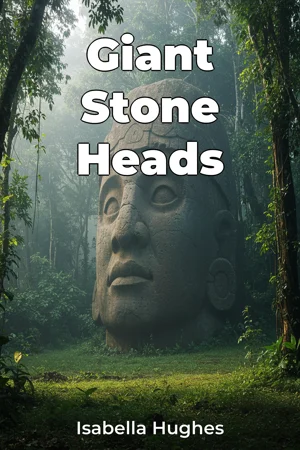
Why did ancient cultures invest immense resources in carving colossal stone heads, some weighing several tons? "Giant Stone Heads" delves into this enduring mystery, examining the creation, purpose, and cultural significance of these monumental sculptures across diverse civilizations. This book bridges the disciplines of history and art to offer a comprehensive exploration of the phenomena. The book focuses on three key topics: the Olmec heads of Mesoamerica, the moai of Easter Island, and lesser-known, but equally compelling, examples found in other regions. These sculptures represent remarkable feats of engineering, artistic expression, and social organization. Understanding them provides insights into the belief systems, power structures, and technological capabilities of these past societies. To fully grasp the significance of these stone heads, it is crucial to understand the historical and social contexts in which they were created. This book will explore the Olmec civilization's rise and fall, the environmental challenges faced by the inhabitants of Easter Island, and the unique cultural characteristics of other head-carving societies. Basic knowledge of archaeology and art history will enhance the reader's understanding, but is not required. The central argument of "Giant Stone Heads" is that these sculptures served as powerful symbols of authority, commemoration, and cultural identity. They were not merely artistic expressions but also tools used to legitimize leadership, honor ancestors, and reinforce shared beliefs. The book challenges simplistic explanations and emphasizes the multifaceted roles these monuments played within their respective societies. The book begins with an introduction to the concept of monumental sculpture and its significance throughout history. It then dedicates separate sections to the Olmec heads, the moai of Easter Island, and other notable examples, analyzing their physical characteristics, construction techniques, and cultural contexts. Through comparative analysis, the book identifies common themes and unique features, culminating in a broader understanding of the human impulse to create large-scale representations of power and identity. Finally, the book explores the legacy of these sculptures and their continued relevance in the modern world. The analysis presented relies on archaeological evidence, art historical interpretations, and ethnographic accounts, offering a balanced, evidence-based perspective. It also incorporates recent discoveries and research, including new dating techniques and analyses of the sculptures' materials and construction methods. "Giant Stone Heads" connects to other fields of study such as anthropology, sociology, and religious studies. By examining the cultural beliefs and social structures associated with these sculptures, the book provides insights into the broader dynamics of human societies. The book offers a fresh perspective by integrating insights from multiple disciplines, challenging conventional interpretations, and proposing new avenues for research. The information is presented in a clear and accessible style, avoiding technical jargon and focusing on conveying complex ideas in an engaging manner. The book is aimed at anyone interested in history, art, archaeology, and ancient civilizations. It will be valuable to students, researchers, and general readers alike. As a work of non-fiction, "Giant Stone Heads" adheres to the highest standards of accuracy and objectivity. While acknowledging the subjective nature of interpretation, the book strives to present all sides of the story and to ground its conclusions in solid evidence. The scope of the book is limited to cultures that created large-scale stone heads, but it acknowledges the diversity of artistic expression and cultural practices across the globe. The information presented in "Giant Stone Heads" can inform contemporary discussions about cultural heritage, preservation efforts, and the ethics of archaeological research. By understanding the significance of these monuments to past societies, we can better appreciate their value in the present. The book also addresses ongoing debates surrounding the interpretation and preservation of these sites, as well as the ethical considerations involved in studying and displaying cultural artifacts.
Why did ancient cultures invest immense resources in carving colossal stone heads, some weighing several tons? "Giant Stone Heads" delves into this enduring mystery, examining the creation, purpose, and cultural significance of these monumental sculptures across diverse civilizations. This book bridges the disciplines of history and art to offer a comprehensive exploration of the phenomena. The book focuses on three key topics: the Olmec heads of Mesoamerica, the moai of Easter Island, and lesser-known, but equally compelling, examples found in other regions. These sculptures represent remarkable feats of engineering, artistic expression, and social organization. Understanding them provides insights into the belief systems, power structures, and technological capabilities of these past societies. To fully grasp the significance of these stone heads, it is crucial to understand the historical and social contexts in which they were created. This book will explore the Olmec civilization's rise and fall, the environmental challenges faced by the inhabitants of Easter Island, and the unique cultural characteristics of other head-carving societies. Basic knowledge of archaeology and art history will enhance the reader's understanding, but is not required. The central argument of "Giant Stone Heads" is that these sculptures served as powerful symbols of authority, commemoration, and cultural identity. They were not merely artistic expressions but also tools used to legitimize leadership, honor ancestors, and reinforce shared beliefs. The book challenges simplistic explanations and emphasizes the multifaceted roles these monuments played within their respective societies. The book begins with an introduction to the concept of monumental sculpture and its significance throughout history. It then dedicates separate sections to the Olmec heads, the moai of Easter Island, and other notable examples, analyzing their physical characteristics, construction techniques, and cultural contexts. Through comparative analysis, the book identifies common themes and unique features, culminating in a broader understanding of the human impulse to create large-scale representations of power and identity. Finally, the book explores the legacy of these sculptures and their continued relevance in the modern world. The analysis presented relies on archaeological evidence, art historical interpretations, and ethnographic accounts, offering a balanced, evidence-based perspective. It also incorporates recent discoveries and research, including new dating techniques and analyses of the sculptures' materials and construction methods. "Giant Stone Heads" connects to other fields of study such as anthropology, sociology, and religious studies. By examining the cultural beliefs and social structures associated with these sculptures, the book provides insights into the broader dynamics of human societies. The book offers a fresh perspective by integrating insights from multiple disciplines, challenging conventional interpretations, and proposing new avenues for research. The information is presented in a clear and accessible style, avoiding technical jargon and focusing on conveying complex ideas in an engaging manner. The book is aimed at anyone interested in history, art, archaeology, and ancient civilizations. It will be valuable to students, researchers, and general readers alike. As a work of non-fiction, "Giant Stone Heads" adheres to the highest standards of accuracy and objectivity. While acknowledging the subjective nature of interpretation, the book strives to present all sides of the story and to ground its conclusions in solid evidence. The scope of the book is limited to cultures that created large-scale stone heads, but it acknowledges the diversity of artistic expression and cultural practices across the globe. The information presented in "Giant Stone Heads" can inform contemporary discussions about cultural heritage, preservation efforts, and the ethics of archaeological research. By understanding the significance of these monuments to past societies, we can better appreciate their value in the present. The book also addresses ongoing debates surrounding the interpretation and preservation of these sites, as well as the ethical considerations involved in studying and displaying cultural artifacts.
"Giant Stone Heads" explores the captivating phenomenon of colossal stone head carvings across different ancient civilizations, revealing their profound cultural and historical significance. From the Olmec heads of Mesoamerica to the Easter Island moai, these monumental sculptures represent incredible feats of engineering and artistic expression. One intriguing aspect is how these sculptures often served as symbols of power and cultural identity, reinforcing social structures and beliefs. The book examines these sculptures through a multidisciplinary lens, combining insights from history, art history, and archaeology. By analyzing the Olmec civilization's rise and fall, the challenges faced by Easter Island's inhabitants, and the unique characteristics of other head-carving societies, the book emphasizes the multifaceted roles these monuments played. This approach challenges simplistic interpretations and presents a fresh perspective on these ancient marvels. The book progresses by first introducing the concept of monumental sculpture and its historical significance. Subsequent chapters delve into the Olmec heads, the moai of Easter Island, and other examples, analyzing their physical characteristics, construction techniques, and cultural contexts. Through comparative analysis, "Giant Stone Heads" identifies common themes and unique features, culminating in a broader understanding of the human impulse to create large-scale representations of power, cultural heritage, and identity.
Book Details
ISBN
9788235219428
Publisher
Publifye AS
Your Licenses
You don't own any licenses for this book
Purchase a license below to unlock this book and download the EPUB.
Purchase License
Select a tier to unlock this book
Need bulk licensing?
Contact us for enterprise agreements.